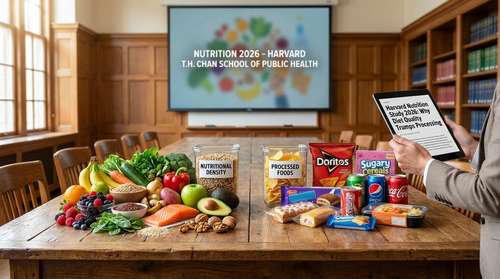
Imagine eating more food while simultaneously shedding body fat and turning back the clock on cellular aging. It sounds like dietary fiction, but groundbreaking new research suggests it is a biological reality. According to a landmark Cell Metabolism study, a highly specific eating pattern known as the longevity diet is showing extraordinary promise for extending healthspan and reducing physical decline in older age. Jointly conducted by researchers at the University of Southern California (USC), Harvard University, and the University of Toronto, the comprehensive study found that a plant- and fish-based modified Mediterranean diet could be the ultimate key to aging well.
Cracking the Code on Low Protein Fat Loss
For decades, the anti-aging and medical communities have debated the role of macronutrients in extending human life. While heavy protein consumption remains incredibly popular in mainstream fitness circles, cellular biology research often points in the exact opposite direction. Scientists have long recognized that lowering protein intake can significantly extend lifespan in animal models; however, severe restriction often leads to muscle wasting, weakness, and dangerous frailty as subjects age.
Led by renowned gerontology expert Valter Longo and researcher Maura Fanti, the USC team sought to definitively solve this metabolic dilemma. They formulated the Valter Longo diet protocol—a mostly vegan and pescatarian menu—and tweaked one crucial, microscopic variable: a single essential amino acid called methionine.
During the rigorous experiment, researchers tested several distinct dietary protocols on aging mice, including a standard diet, a high-fat Western diet, a low-carbohydrate ketogenic diet, and the new modified protocol. They discovered that when aging mice were fed a methionine amino acid diet—essentially a low-protein regimen supplemented with a precisely calibrated, moderate dose of methionine—the results were stunning. Astonishingly, the mice on this modified longevity diet actually consumed more total food than their counterparts on the keto and Western diets. Yet, they lost significantly more body fat, preserved their lean muscle mass, and vastly improved their strength and physical balance.
The Hormonal Shift Behind Healthy Aging Nutrition
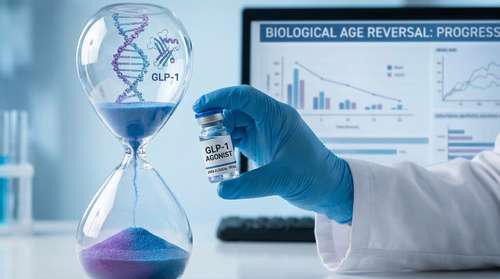
Why did this highly specific nutritional profile work so well without requiring caloric restriction? The secret lies in a profound hormonal shift triggered primarily in the liver. The methionine-supplemented diet elevated levels of circulating growth hormone, as well as GLP-1 and FGF21—two potent metabolic hormones famous for regulating blood sugar and driving rapid weight loss. Simultaneously, the regimen suppressed IGF-1, an anabolic hormone whose reduction is strongly associated with delayed aging and reduced cancer risk. This unique "Goldilocks" hormonal state successfully promotes low protein fat loss without triggering the physical wasting away normally associated with advanced age.
Human Data Validates the Mediterranean Diet for Weight Loss
While mouse models provide incredible mechanistic insights into cellular biology, the researchers did not stop in the laboratory. To ensure their findings translated to the real world, the multi-university team performed a massive cross-sectional analysis of epidemiological health data covering over 200,000 men and women.
The vast trove of human data strongly corroborated the clinical findings. The population analysis revealed that individuals who consumed high amounts of animal protein—and consequently, very high levels of naturally occurring methionine—had roughly double the prevalence of Type 2 diabetes compared to those eating plant-centric diets, even when adjusting for other lifestyle and environmental factors.
Southern European and Okinawan populations have long been celebrated for their remarkable life expectancies, largely attributed to their traditional regional diets. However, researchers have frequently noted that these long-lived populations can sometimes experience higher rates of late-life physical frailty. The genius of this newly refined approach is that it solves this specific vulnerability. By strategically supplementing a plant-focused regimen with precise amino acids, it delivers the metabolic benefits of restriction without the dangerous side effects. This positions the modified Mediterranean diet for weight loss as not just a short-term trend, but a foundational pillar of healthy aging nutrition.
How to Apply the New Protocol to Your Plate
So, what does this scientific breakthrough look like on a daily dinner plate? The recent findings make it unequivocally clear that the objective isn't to eliminate protein entirely or to cut calories to the point of absolute starvation. Instead, optimizing your healthspan is about strictly dialing in the exact quality and source of your amino acids.
Here is how you can begin applying these longevity insights for better metabolic health:
- Embrace Plants and Healthy Fats: Make the foundation of your meals complex carbohydrates from legumes, colorful vegetables, and whole grains, cooked in abundant extra virgin olive oil.
- Limit Heavy Animal Proteins: Drastically reduce your intake of red meat, heavy dairy, and large quantities of eggs. These foods carry exceptionally high methionine loads that can overstimulate aging and disease pathways.
- Add Small Amounts of Fish: Including moderate, sensible portions of fish provides just enough essential amino acids to prevent frailty and muscle loss as you age, satisfying the "Goldilocks" requirement for methionine.
While these scientific findings are revolutionary, anyone considering a major dietary overhaul—especially older adults or those currently managing chronic health conditions—should consult with a qualified healthcare provider before severely restricting protein intake.
Ultimately, this breakthrough research dramatically shifts the paradigm of modern nutritional science. By focusing on a plant-based, low-amino-acid profile with just the right touch of specific nutrients, you can successfully flip your body's metabolic switches toward fat burning, disease prevention, and a significantly longer, healthier life.