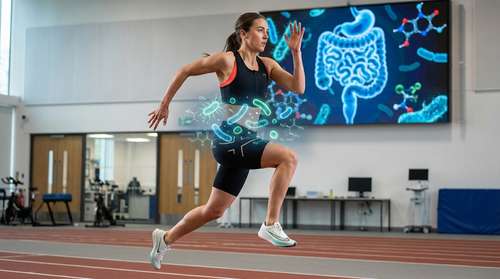
Breaking News (February 24, 2026) – The connection between gut health and fitness just got stronger. A groundbreaking new study released today by researchers at Edith Cowan University (ECU) reveals that the intensity of your workout doesn't just build muscle—it fundamentally rewires your gut microbiome. These findings, led by researcher Bronwen Charlesson, suggest that high-intensity training sessions act as a potent catalyst for beneficial bacteria, potentially unlocking new pathways for metabolic health and athletic performance.
The Link Between Training Intensity and Microbiome Diversity
For years, scientists have known that exercise is good for the gut, but the specific impact of training intensity on the microbiome has remained largely a mystery. The new Edith Cowan University fitness study 2026 changes that. By tracking highly trained athletes through periods of intense competition preparation versus off-season rest, researchers discovered a direct correlation between training load and microbial health.
During phases of high-intensity training—where volume increased by 147% and intensity by 130%—athletes exhibited significantly higher levels of short-chain fatty acids (SCFAs). These compounds are the "superfuel" of the gut, responsible for reducing inflammation, strengthening the intestinal barrier, and regulating energy metabolism. The study indicates that pushing your body physically creates an internal environment where these health-promoting bacteria thrive.
The "Lactate" Connection: Fueling Good Bacteria
One of the most fascinating theories emerging from this research is the role of lactate. Often blamed for muscle burn, lactate may actually be a hero for your gut. The researchers propose that lactate produced during high intensity interval training benefits the microbiome by entering the bloodstream and traveling to the gut. There, specific bacteria feed on it, proliferating and enhancing the microbial ecosystem. This suggests that the metabolic byproducts of your hard work are directly feeding the bacteria that keep you healthy.
The "Rest Day" Trap: Why Consistency Matters
While the benefits of intense training are clear, the study also uncovered a critical vulnerability. When athletes transitioned to lower training loads, the beneficial shifts in their gut bacteria and athletic performance markers reversed rapidly. This wasn't just due to a lack of exercise; it was compounded by lifestyle factors.
"During low training load times, athletes are often more relaxed about their diets," explains Charlesson. The study found that as training volume dropped, so did diet quality. Athletes consumed more processed foods and fewer fresh vegetables, leading to a decline in microbial diversity. Additionally, exercise and digestive wellness are linked through gut transit time; without the stimulation of intense movement, digestion slowed down, creating a less favorable environment for beneficial flora.
Metabolic Health Trends 2026: Optimizing Your Microbes
As we look at metabolic health trends 2026, it is becoming clear that gut health is not just about what you eat, but how you move. This research underscores that the microbiome is highly dynamic and responsive to physical stress. For fitness enthusiasts, this means that "gut training" is as much a part of performance as strength or endurance work.
To maximize these benefits, consistency is key. The rapid decline in gut health markers during rest periods suggests that maintaining a baseline of activity and—crucially—nutritional quality is essential, even on recovery days. You cannot simply rely on workout intensity to mask poor dietary choices during downtime.
Actionable Advice for Peak Performance
Based on these findings, here is how you can optimize your routine for both fitness and gut health:
- Keep Intensity High: Incorporate regular high-intensity sessions to stimulate SCFA production.
- Watch Your Rest Days: Be vigilant about nutrition when your training load drops. Avoid the trap of "relaxing" your diet just because you are resting your body.
- Fiber is Fuel: Support the bacteria that exercise stimulates by consuming adequate fiber, the primary raw material for SCFAs.
- Monitor Digestion: Use exercise to maintain regular gut transit times, which prevents the stagnation of harmful bacteria.
This study proves that your gut is an athletic organ, responsive to the demands you place on it. By understanding how training intensity rewires the microbiome, you can take a more holistic approach to health, ensuring that your internal engine is tuned just as finely as your muscles.