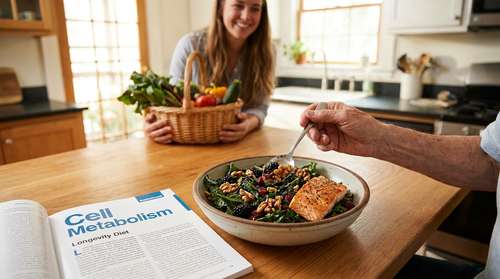
A groundbreaking new study published today offers a promising, natural path for managing type 1 diabetes. Research released on February 13, 2026, in BMC Nutrition reveals that a low-fat vegan diet for type 1 diabetes can dramatically reduce daily insulin requirements. In a clinical trial led by the Physicians Committee for Responsible Medicine (PCRM), participants who switched to a plant-based menu slashed their insulin use by 28% without restricting carbohydrates or calories.
Breaking Down the PCRM Diabetes Study 2026
For decades, the standard advice for diabetics has centered on strict carbohydrate counting and portion control. However, this new analysis challenges that conventional wisdom. The study, conducted by researchers at the Physicians Committee for Responsible Medicine, compared two distinct dietary approaches: a low-fat vegan diet and a standard portion-controlled regimen.
The results were striking. While the portion-controlled group saw no significant changes in their insulin needs, the vegan group reduced their total daily insulin dose by an average of 12.1 units per day—a 28% decrease. This reduction was achieved even though the vegan participants were allowed to eat unlimited amounts of carbohydrate-rich foods like fruits, grains, and legumes.
"As insulin prices continue to rise, people with type 1 diabetes should consider a low-fat vegan diet, which can help improve their insulin sensitivity and reduce the amount of insulin they need," said Dr. Hana Kahleova, the study's lead author and director of clinical research at PCRM.
How a Low-Fat Plant-Based Diet Benefits Insulin Sensitivity
The secret to these impressive results lies in insulin sensitivity and veganism. In type 1 diabetes, the pancreas produces little to no insulin, but the body's cells can still become resistant to the insulin that is injected. This condition, known as double diabetes or insulin resistance in type 1, forces patients to take higher and higher doses to manage their blood sugar.
Low-fat plant-based diet benefits stem from the reduction of dietary fat. High levels of fat in the bloodstream can accumulate inside muscle and liver cells, blocking the insulin signaling process. By eliminating animal products and keeping oils to a minimum, the study participants cleared this intracellular fat, allowing insulin to work more efficiently.
The Mechanism of Action
When you consume a diet high in animal fats, lipid particles can gum up the locks on your cell doors, preventing insulin from opening them to let glucose in. The PCRM study demonstrates that by removing these fats, you naturally reduce insulin use naturally. This improved sensitivity explains why participants could eat more carbohydrates while needing less insulin to process them.
Significant Financial Relief: Saving Money on Insulin Costs
Beyond the clinical improvements, the study highlights a critical economic advantage: saving money on insulin costs. In the United States, the financial burden of diabetes management is a major stressor for millions of families. The analysis found that the 28% reduction in insulin dosage translated directly to a 27% decrease in daily insulin costs.
For the average patient, this could mean saving hundreds of dollars annually simply by changing what they put on their plate. Unlike expensive pharmaceutical interventions, adopting a vegan diet is a cost-effective strategy that simultaneously lowers grocery bills, as beans, rice, and seasonal vegetables are often cheaper than meat and dairy products.
What Did the Participants Eat?
The dietary intervention was straightforward but transformative. Participants in the intervention group followed a diet that was:
- Exclusively plant-based: No meat, dairy, eggs, or animal products.
- Low in fat: Approximately 10% of total calories from fat.
- Unrestricted in calories and carbs: Participants ate to satiety.
This type 1 diabetes nutrition news is particularly liberating for patients used to measuring every gram of food. Instead of hunger and restriction, the focus shifted to abundance and food quality. Meals centered on vegetables, grains, legumes, and fruits, providing high fiber and essential nutrients lacking in standard American diets.
Additional Health victories: Weight and Cholesterol
The benefits extended well beyond blood sugar control. The study participants on the vegan diet also experienced significant improvements in other key health markers. On average, they lost approximately 11 pounds (5 kg) over the course of the 12-week study, despite not counting calories. This weight loss further supports metabolic health and reduces the strain on the cardiovascular system.
Furthermore, the plant-based group saw their cholesterol levels drop significantly. Since heart disease is the leading cause of death for people with diabetes, this lipid-lowering effect is a lifesaving bonus. By tackling weight, cholesterol, and insulin resistance simultaneously, a low-fat vegan diet offers a comprehensive shield against the long-term complications of type 1 diabetes.