Chronic inflammation operates as a silent mechanism behind some of the most pervasive modern health conditions, actively driving cardiovascular disease, type 2 diabetes, obesity, and certain cancers. While health enthusiasts and dietitians consistently search for the best spices for inflammation, simply consuming massive doses of isolated ingredients rarely delivers practical clinical results. However, breaking research released this week fundamentally shifts how we approach diet and cellular immunity. According to the groundbreaking spice synergy study 2026 published by researchers at the Tokyo University of Science, pairing specific plant compounds at microscopic levels dramatically supercharges the body's immune regulation. The data reveals that mixing the intense heat of chili peppers with the cooling essence of mint creates one of the most effective anti-inflammatory food pairings ever recorded, amplifying their beneficial biological impact by several hundred times.
The Cellular Mechanics of Capsaicin and Menthol Health Benefits
For decades, scientists debated whether everyday seasonings could genuinely alter human immune responses at typical dietary concentrations. The central challenge has always been bioavailability. Achieving therapeutic effects in a laboratory often required unrealistic dietary amounts of a single phytochemical, causing widespread skepticism about functional foods. A specialized research team led by Professor Gen-ichiro Arimura investigated a radically different approach by testing combinations of familiar plant-derived molecules. Their findings, newly highlighted across scientific platforms on April 9, evaluate murine macrophages—specialized immune cells that release inflammatory cytokines when triggered by bacterial components known as lipopolysaccharides.
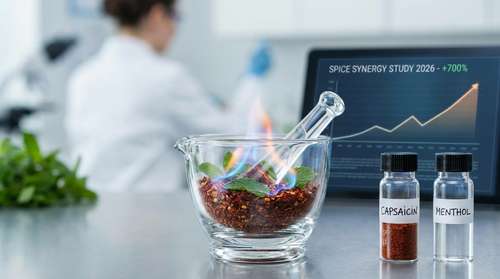
When tested individually, capsaicin—the primary bioactive compound responsible for the heat in chili peppers—displayed measurable anti-inflammatory properties. Yet, the true scientific breakthrough emerged during combination testing. When researchers combined capsaicin with menthol (derived from mint) or 1,8-cineole (found in eucalyptus), the suppression of TNF-alpha, a primary inflammation marker, skyrocketed. This specific molecular synergy reduced the required effective dose of the compounds by an astonishing 699-fold. Quantifying these profound capsaicin and menthol health benefits marks a pivotal shift in nutritional science, proving definitively that trace amounts of interacting materials can vastly outperform massive doses of isolated compounds.
Decoding the Dual-Pathway Mechanism
To understand why these specific ingredients work so brilliantly together, the Tokyo University of Science researchers mapped their intracellular routes. Menthol and 1,8-cineole actively engage transient receptor potential (TRP) channels, specifically the TRPM8 cold receptor, which actively regulates calcium signaling essential for immune cell activation. Conversely, capsaicin was found to suppress inflammation through a completely separate, TRP-independent metabolic pathway involving specific cellular enzymes.
By striking both a receptor-based channel and a metabolic pathway at the exact same moment, the combination overwhelms the inflammatory response in a way neither molecule could ever achieve alone. This simultaneous dual-action mechanism provides a clear, evidence-based framework for how to reduce chronic inflammation naturally without relying on extreme dietary restrictions or heavy synthetic interventions.
Shaping Functional Nutrition Trends 2026 and Beyond
The widespread implications of this research extend far beyond academic journals and kitchen pantries. The flavor, fragrance, and supplement industries are already evaluating this unique "super-synergy". Because these impressive cellular reactions happen at sub-threshold levels—meaning concentrations so uniquely low they will not irritate the stomach lining or artificially distort a product's intended flavor profile—companies can fundamentally rethink how they develop health-focused consumer products. This evidence-based discovery is securely positioned to dominate functional nutrition trends 2026, leading to smarter, more efficient formulation strategies for wellness brands globally.
Historically, the global market for natural anti-inflammatory supplements relied heavily on turmeric and ginger extracts packed tightly into high-dose capsules. Professor Arimura’s research suggests the next generation of therapeutics will focus strictly on combinatorial efficacy rather than single-ingredient potency. We are highly likely to see precision-dosed capsules and functional foods that intentionally pair trigeminal-activating compounds, utilizing the well-known "burn and cool" chemesthesis effect for potent therapeutic value.
Redefining the Best Spices for Inflammation in Your Kitchen
What does this molecular-level discovery mean for your daily routine? Above all, it validates the ancient culinary practice of blending diverse herbs and spices. Traditional cuisines across the globe have long mixed aromatic plants and fiery peppers, seemingly anticipating the biological synergies that modern equipment is just now beginning to precisely quantify. While clinical human trials remain the next necessary step to solidify exact therapeutic dosage protocols in patients, the laboratory data presents a compelling argument for immediate dietary diversity.
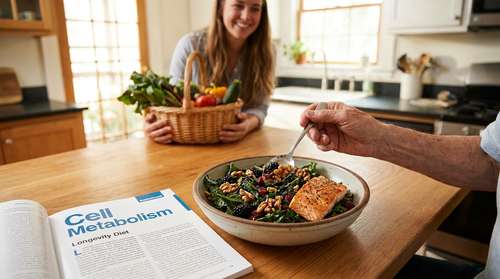
Integrating more scientifically backed anti-inflammatory food pairings into your meals does not require a laboratory background or an expensive supplement stack. Simple culinary adjustments, such as adding freshly chopped mint to a spicy chili dish, pairing eucalyptus-infused teas with a meal rich in capsaicin, or utilizing complex spice rubs, directly mirror the synergistic combinations tested in the study. Rather than endlessly searching for a single miracle ingredient, focusing on intelligent phytochemical combinations appears to be the most scientifically sound strategy for supporting long-term health and keeping chronic cellular inflammation at bay.