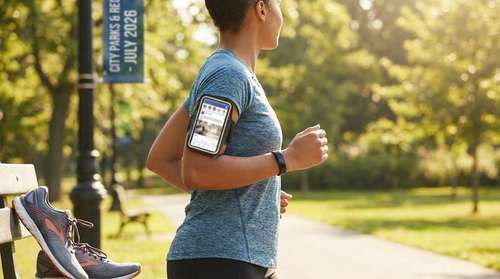
Forget the arbitrary 10,000-step rule. A specific, science-backed method known as the Japanese walking technique has officially overtaken high-intensity workouts to become the number one fitness phenomenon of the new year. According to fresh data released this week, searches for this interval-based protocol have skyrocketed by a staggering 2,968%, cementing it as the definitive leader among 2026 fitness trends. Unlike grueling gym sessions, this accessible routine promises to boost interval walking for longevity, reverse metabolic aging, and build muscle strength—all in just 30 minutes a day.
The 3-Minute Protocol: How Japanese Walking Works
At its core, the method—scientifically termed Interval Walking Training (IWT)—is deceptively simple yet physiologically profound. Instead of a steady, leisurely stroll, the technique demands structure. You alternate between three minutes of fast, purposeful walking (at roughly 70% of your maximum effort) and three minutes of slow, recovery-paced walking (at 40% effort).
This cycle is repeated five times for a total of 30 minutes. The magic lies in the intensity variance. During the fast intervals, you should be moving quickly enough that holding a conversation is difficult. This "switch" signals your body to adapt, triggering improvements in aerobic capacity that steady-state low-impact cardio workouts simply cannot match. It’s a manageable form of interval training that requires no equipment, just a timer and a pair of supportive shoes.
The Science: Why Intervals Beat Distance
The sudden viral explosion of Japanese walking intervals isn't just social media hype; it is rooted in decades of rigorous research. The method was pioneered by Dr. Shizuo Masuki and Dr. Hiroshi Nose at Japan’s Shinshu University. Their landmark studies found that while 10,000 steps a day burned calories, it often failed to improve aerobic capacity (VO2 peak) or lower blood pressure significantly in older adults.
In contrast, their research demonstrated that participants engaging in this specific interval training saw a 14% increase in VO2 peak and a 17% reduction in lifestyle-related disease scores. By spiking the heart rate periodically, the body is forced to improve its oxygen efficiency and insulin sensitivity, making walking for metabolic health far more effective than previously thought. The data suggests this method doesn't just help you lose weight; it actively turns back the biological clock on your cells.
Why It’s Trending Now: The 2026 Shift to Sustainable Fitness
The massive surge in interest recorded over the last 48 hours aligns with a broader cultural shift. As we settle into 2026, the fitness industry is pivoting away from punishment and toward sustainability. People are burned out on high-cortisol HIIT classes and complex gym memberships. They want sustainable weight loss 2026 strategies that fit into a lunch break.
Breaking the "No Pain, No Gain" Myth
This trend validates the idea that moderate, consistent effort yields better long-term results than sporadic, intense bursts. The "Japanese Walking" boom creates a bridge for those intimidated by running but unsatisfied with a casual stroll. It is the ultimate "middle path"—gentle on the joints but tough on visceral fat.
How to Start Your Interval Walking Routine
Ready to join the movement? Here is how to implement the technique immediately:
- Warm-up: Start with a 5-minute casual walk to loosen your joints.
- The Fast Interval (3 mins): Walk briskly. Focus on long strides and swinging your arms. You should feel slightly out of breath.
- The Slow Interval (3 mins): Slow down significantly to catch your breath and recover.
- Repeat: Complete 5 sets of these 3-minute blocks.
- Frequency: Aim for 4 sessions per week for maximum longevity benefits.
As we navigate the fitness landscape of 2026, the message is clear: You don't need to run a marathon to extend your life. You just need to walk smarter.