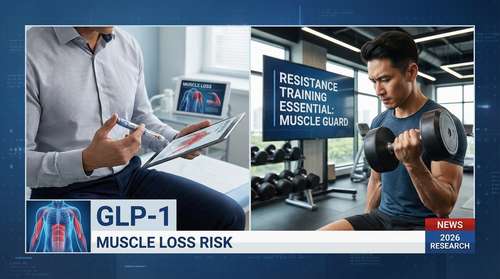
A groundbreaking meta-analysis released this Wednesday has sent shockwaves through the weight loss community, revealing a critical blind spot in the GLP-1 revolution. The study, which analyzed patient outcomes across major health systems in early 2026, indicates that up to 40% of the weight lost by users of medications like Ozempic, Wegovy, and Zepbound is not fat, but critical lean muscle mass. This alarming statistic has prompted leading health experts to issue a new 'Muscle Guard' mandate—a revised standard of care that reclassifies resistance training from a 'suggestion' to a medical necessity for anyone prescribed these potent weight loss drugs.
The Hidden Cost of Rapid Shrinking: Sarcopenic Obesity
While the scale might show a dropping number, the internal reality for many patients is far more complex. The new 2026 data highlights a condition known as sarcopenic obesity, a paradoxical state where an individual has low muscle mass despite having high body fat or a 'normal' BMI. Unlike traditional weight loss, where muscle loss typically accounts for about 25% of the total reduction, the accelerated nature of GLP-1 agonist treatment can nearly double this rate without intervention.
"We are seeing patients who are 'skinny' by weight standards but metabolically frail," explains Dr. Elena Rosales, a lead author of the new analysis. "When you lose that much muscle, your metabolic rate crashes, your bone density suffers, and your risk of injury skyrockets. The 'Muscle Guard' mandate is about ensuring that the medicine doesn't solve one problem while creating another." This metabolic slowdown also explains why many users face rapid weight regain—or "Ozempic rebound"—the moment they stop the medication.
The New 'Strength-First' Standard of Care
In response to these findings, the 'Muscle Guard' mandate proposes a radical shift in how these prescriptions are handled. The new guidelines recommend that resistance training be prescribed concurrently with the first dose of any GLP-1 medication. This isn't just about "exercising"; it's about specific, hypertrophy-focused stimulation designed to counteract the drug's catabolic effects.
The updated 2026 clinical recommendations include:
- Prescription-Grade Lifting: A minimum of two to three 30-minute resistance training sessions per week, focusing on compound movements like squats, hinges, and presses.
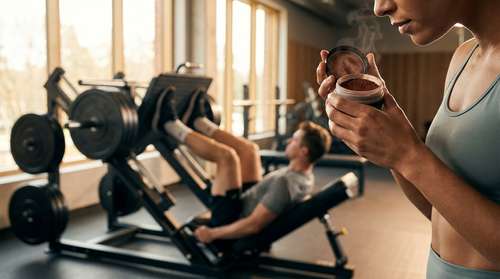
- Protein Pacing: A mandatory protein intake target of 1.6 to 2.2 grams per kilogram of body weight to support muscle protein synthesis.
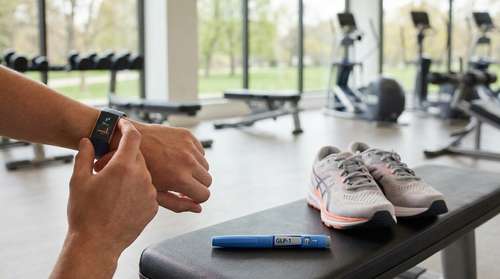
- Body Composition Tracking: Replacing the bathroom scale with monthly DEXA scans or bioimpedance analysis to ensure weight lost is primarily adipose tissue, not skeletal muscle.
Why Cardio Isn't Enough
For decades, walking and cardio were the go-to recommendations for weight loss. However, the new research suggests that while cardio supports heart health, it does little to prevent the specific type of muscle wasting seen with GLP-1 agonists. "If you are on a GLP-1 and only doing cardio, you are likely accelerating muscle loss," warns fitness physiologist Mark Stevens. "Strength training is the only signal strong enough to tell your body, 'Keep this muscle, we need it.'"
Fitness Trends for Longevity: The Rise of 'Medical Gyms'
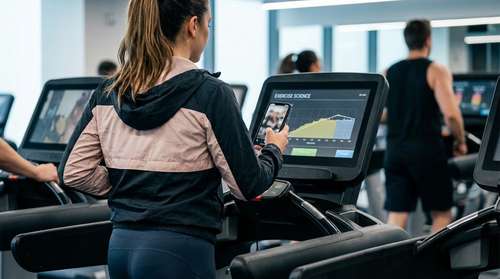
The 'Muscle Guard' mandate is already reshaping the fitness landscape. We are witnessing the emergence of specialized "medical gyms" and recovery centers designed specifically for the GLP-1 population. These facilities offer muscle preservation workouts that prioritize intensity over duration, acknowledging that patients on these medications often struggle with fatigue and lower energy availability.
New fitness trends for longevity in 2026 are pivoting away from high-impact boot camps toward controlled strength circuits. These programs emphasize time-under-tension and progressive overload—techniques that maximize muscle retention without requiring excessive caloric expenditure, which can be counterproductive for patients already in a steep calorie deficit.
Optimizing Body Composition for the Long Haul
Implementing the 'Muscle Guard' strategy requires a mental shift as much as a physical one. Success is no longer defined by how fast you shrink, but by how well you sustain your strength. For current users, the message is clear: do not wait until you feel weak to start lifting.
"Think of resistance training as the 'anchor' for your weight loss," advises Dr. Rosales. "The medication removes the weight, but the muscle you build is what keeps it off and keeps you young." As we move further into 2026, this strength-first approach is set to become the gold standard, ensuring that the miracle of modern weight loss drugs translates into true, lasting health rather than temporary thinness.