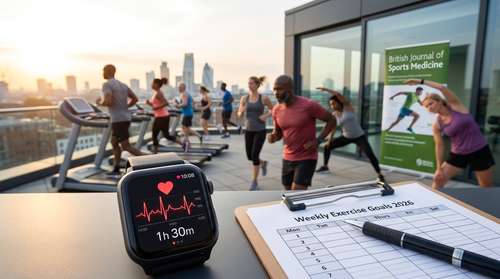
How fit you are in your 40s and 50s might just dictate the quality of your later years. According to a landmark study published today, April 22, 2026, in the Journal of the American College of Cardiology (JACC), your midlife cardiorespiratory fitness is the ultimate key to extending your "health span". While longevity research often focuses simply on adding years to your life, this massive new data set shifts the spotlight to living those later years free from debilitating illness. The findings provide a wake-up call for anyone hoping to maintain their independence and vitality well into retirement.
The Crucial Difference: Health Span vs Lifespan
Medical advancements have done a phenomenal job at keeping us alive longer. However, the true holy grail of healthy aging research is closing the gap between your lifespan—the total number of years you breathe—and your health span, which is the period of life spent actively without major chronic illness. Nobody wants to spend their final decade burdened by constant medical interventions, endless pharmacy trips, and declining mobility.
The newly released JACC fitness study 2026 proves that preventive health fitness during midlife is a non-negotiable factor in maximizing those disease-free years. Cardiorespiratory fitness measures how efficiently your heart, lungs, and circulatory system supply oxygen to your muscles during sustained physical activity. By prioritizing this biological engine now, you are actively pushing the onset of physical decline further down the road, achieving what gerontologists call the "compression of morbidity"—shrinking the time you spend sick at the end of life.
Inside the Groundbreaking 2026 JACC Fitness Study
To understand the profound impact of midlife exercise benefits, researchers evaluated a massive cohort of more than 24,500 men and women. The inclusion criteria were strict: all participants had to be relatively healthy through age 65. This allowed scientists to isolate how earlier lifestyle factors influenced later physical decline.
By analyzing clinical treadmill tests taken earlier in adulthood, the investigators established a clear baseline of cardiovascular endurance for every individual. They then tracked the patients' long-term outcomes using comprehensive Medicare data. The sheer scale and rigorous methodology make this one of the most definitive looks at VO2 max and longevity published to date.
Striking Results Across All Demographics
The findings present a compelling argument for breaking a sweat. Individuals who demonstrated high fitness levels in midlife delayed the onset of major chronic illnesses by an average of 1.5 to 2 years compared to their less-active peers. On a population level, an extra two years of healthy, independent living is a staggering achievement. Furthermore, these results were remarkably consistent. Men, women, individuals of different body weights, and even those with varying smoking histories all experienced the protective shield of midlife fitness.
Delaying 11 Major Chronic Conditions
When researchers analyzed the long-term health trajectories, they didn't just look at general mortality. Instead, they tracked the development of 11 specific major chronic conditions that typically derail a senior's quality of life. The highly fit group built a systemic, whole-body defense mechanism against these ailments.
The conditions analyzed include some of the most burdensome age-related diseases:
- Heart disease and cardiovascular events: Conditions closely tied to overall metabolic health.
- Type 2 diabetes: A disorder that accelerates aging and vascular damage.
- Chronic kidney disease: A progressive condition that severely impacts energy levels.
- Various forms of cancer: Where exercise is increasingly recognized as a powerful preventative tool.
Developing any of these ailments fundamentally alters your daily reality. Pushing that onset back by at least 1.5 years provides a monumental improvement in quality of life. It effectively lowers your overall disease burden, preserves your physical autonomy, and significantly reduces long-term out-of-pocket healthcare costs.
Actionable Steps for Preventive Health Fitness
You don't need to be an elite marathon runner to reap these midlife exercise benefits. The JACC study strongly emphasizes the immense public health value of daily physical activity. Modest, consistent increases in movement profoundly impact your cardiovascular system.
If you are looking to build an effective preventive health fitness routine, focus on sustainable aerobic exercise. Brisk walking, cycling, swimming, or even rigorous yard work forces your heart and lungs to adapt and grow stronger. Many experts recommend a mix of "Zone 2" training—steady, moderate exercise where you can still hold a conversation—paired with occasional higher-intensity intervals to push your VO2 max ceiling.
The goal is to safely elevate your heart rate a few times a week, gradually improving your body's oxygen delivery system. Your future self is highly dependent on the physical choices you make today. As this monumental healthy aging research confirms, lacing up your sneakers now is the most reliable prescription for a vibrant, independent tomorrow.