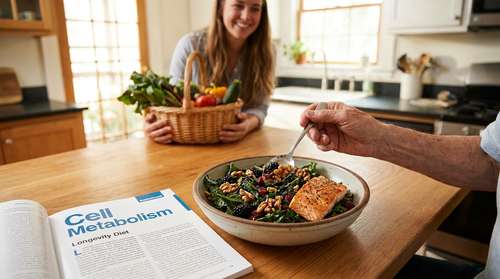
For decades, patients diagnosed with elevated blood sugar have been handed the exact same medical prescription: drastically cut your calories, start exercising intensely, and drop 5 to 7 percent of your body weight. This standard advice, heavily rooted in past prevention programs, has made the bathroom scale the ultimate arbiter of health. But a landmark study released on March 19, 2026, is fundamentally changing that narrative. Researchers have definitively demonstrated that it is possible to reverse prediabetes without weight loss, provided patients focus relentlessly on the nutritional quality of their meals.
Currently, type 2 diabetes affects over 460 million people globally, and those stuck in the prediabetic stage face an annual disease progression rate of 5 to 10 percent. The traditional emphasis on severe calorie restriction has often led to immediate frustration, yo-yo dieting, and high dropout rates. This new research reveals that what you eat is far more critical than how much you weigh, shifting the medical focus toward an unprocessed food diet as the true, sustainable catalyst for metabolic recovery.
The Science of Prediabetes Reversal Nutrition
This March 2026 data builds upon a pivotal shift in endocrinology that began late last year, when scientists first noted that up to 22 percent of individuals could achieve blood sugar remission without shedding pounds. However, this week's breakthrough study pinpoints exactly how those individuals succeed. The secret lies entirely in diet quality for blood sugar management.
When participants switched from heavily processed, packaged foods to nutrient-dense whole foods, their bodies underwent profound internal changes. Even when the number on the scale remained completely stagnant—and in some cases, when participants gained a modest amount of weight—they experienced significantly enhanced beta-cell function in the pancreas. Furthermore, high-quality prediabetes reversal nutrition fundamentally altered how their bodies stored fat. Instead of accumulating dangerous visceral fat around vital organs, which actively disrupts insulin signaling, participants naturally built healthier subcutaneous fat.
Breaking Down the Unprocessed Food Diet
So, what exactly does this dietary shift look like in practice? The researchers emphasized that participants didn't follow a complicated, branded weight-loss regimen. Instead, they adopted a comprehensive unprocessed food diet focused on key nutritional pillars:
- Eliminating Refined Grains: Removing white flour, white rice, and added sugars, which strip away essential nutrients during manufacturing.
- Embracing Intact Carbohydrates: Relying heavily on intact whole grains such as quinoa, farro, and oats.
- Prioritizing Plant Proteins: Increasing the intake of legumes like lentils, chickpeas, and edamame.
- Reducing Processed Meats: Clinical data consistently shows that heavily processed diets, particularly those high in processed red meats, can increase diabetes risk by up to 20 percent.
By swapping out ultra-processed staples for plant-based proteins, dairy, and fish, patients successfully halted the progression of their metabolic dysfunction without tracking a single calorie.
The Crucial Link Between Fiber and Insulin Resistance
At the core of this dietary revolution is the powerful dynamic between fiber and insulin resistance. The researchers identified that high dietary fiber intake acts as a metabolic reset button for the body.
Rather than sending a sudden surge of glucose into the bloodstream, fiber-rich whole foods dramatically slow down digestion. This controlled absorption mitigates the exhausting insulin spikes that eventually lead to cellular resistance. Participants who consumed high amounts of nonstarchy, colorful vegetables and legumes naturally improved their glycemic control. The findings prove that reversing elevated blood sugar is about actively adding powerful, protective foods to your plate rather than simply starving your body of calories to force weight reduction.
Metabolic Health Breakthroughs 2026: The Heart Connection
This study represents one of the most practical metabolic health breakthroughs 2026 has offered to date, largely because of its secondary findings regarding cardiovascular longevity. Reversing prediabetes does much more than just prevent a type 2 diabetes diagnosis. Recent long-term data indicates that individuals who successfully normalize their blood sugar levels cut their risk of dying from heart disease by roughly 50 percent. They also face a significantly lower risk of heart failure hospitalization compared to those whose glucose remains elevated.
By removing the psychological burden of the scale, healthcare providers can offer a more empowering path forward. Diet quality alone is enough to mobilize ectopic fat in the liver and improve overall metabolic syndrome components.
For our readers following healthvot health news, the actionable takeaway is incredibly liberating. You do not need to embark on a highly restrictive, miserable crash diet to protect your future health. Audit your daily meals, prioritize whole ingredients, and focus on flooding your system with dietary fiber. By prioritizing the quality of your nutrition over the quantity of your calories, you can successfully reclaim your metabolic health and stop diabetes in its tracks.