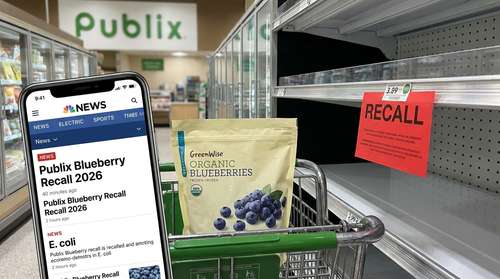
Health officials and grocery shoppers across the Southeast are on high alert following a major Publix blueberry recall 2026. Shoppers are being urged to immediately check their freezers for specific packages of GreenWise organic berries following a dangerous E coli blueberry outbreak. Twelve consumers have fallen severely ill after consuming the contaminated fruit, prompting an urgent response from both the grocery chain and the product’s Chilean supplier.
The voluntary recall, initiated by Frutas y Hortalizas del Sur S.A. on July 3, specifically targets 10-ounce packages of frozen GreenWise Organic IQF Blueberries. Because frozen berries are a staple for healthy smoothies and baking, they often sit in freezers for months without being cooked—a factor that increases the risk of bacterial infection. If you recently shopped at Publix, taking a few minutes to verify your frozen fruit inventory could prevent a severe, potentially life-threatening gastrointestinal illness.
GreenWise Organic Blueberries Recall: Identifying the Affected Fruit
The Frutas y Hortalizas del Sur recall is strictly isolated to a single batch of organic fruit distributed to Publix supermarkets. Store locations in eight states received the contaminated shipments: Alabama, Florida, Georgia, Kentucky, North Carolina, South Carolina, Tennessee, and Virginia. Publix has already pulled the remaining items from its shelves, but the primary concern now lies with products already sitting in residential freezers.
To identify whether your groceries are part of this GreenWise organic blueberries recall, check the back of the packaging for the following details:
- Product: Frozen GreenWise Organic IQF Blueberries
- Package Size: 10 oz.
- Lot Code: 60401
- Best By Date: February 9, 2028
No other lot codes or best-by dates are impacted at this time. Publix representatives have advised customers to dispose of or return any GreenWise frozen blueberries purchased on or before Friday, July 3, 2026.
Understanding the E. Coli Blueberry Outbreak
Between May 11 and June 5, 2026, twelve people suffered severe stomach illnesses after eating the frozen fruit, triggering the investigation that led to this massive frozen blueberry recall. Food safety experts traced the illnesses back to Escherichia coli O145:H28, a highly dangerous Shiga toxin-producing E. coli (STEC).
Unlike more common, milder strains of bacteria, STEC infections pose significant health threats. The bacteria produces a potent toxin in the human gut that aggressively attacks the intestinal lining. Food safety attorneys and health watchdogs note that while the supplier independently reported these 12 cases, federal agencies like the FDA and CDC are expected to monitor the situation closely as the recall expands.
Recognizing Severe E. Coli Symptoms
Anyone who has consumed the recalled berries should monitor themselves for standard E coli symptoms. The hallmark signs of an O145:H28 infection include agonizing stomach cramps, vomiting, and diarrhea that often turns bloody.
While most healthy adults recover fully within a week without medical intervention, certain demographics face a frightening escalation. Children under five, the elderly, and immunocompromised individuals are at high risk for Hemolytic Uremic Syndrome (HUS). HUS is a severe complication that can cause sudden kidney failure, permanent organ damage, and even death. Anyone experiencing extreme lethargy, decreased urination, or loss of pink color in their cheeks or lower eyelids after eating the berries should seek emergency medical care immediately.
Organic Fruit Food Safety: The Hidden Risks of Frozen Produce
Consumers often buy frozen organic berries believing they represent the pinnacle of healthy eating. However, organic fruit food safety presents unique agricultural challenges. Organic farming prohibits the use of synthetic pesticides and certain chemical washes, relying instead on natural fertilizers like composted animal manure. If that compost is improperly treated, or if contaminated agricultural water reaches the crops, pathogens like E. coli can easily attach to the raw fruit.
Furthermore, the freezing process does not kill E. coli. It merely suspends the bacteria in a dormant state. When you blend frozen blueberries into a morning smoothie or thaw them over yogurt, the bacteria reactivates. Because these meals skip the cooking process—the only reliable way to destroy STEC bacteria—the pathogen enters the digestive tract completely viable.
Next Steps: Refunds and Kitchen Sanitation
If you discover the affected lot code 60401 in your kitchen, do not open the bag or attempt to wash the fruit. Washing contaminated berries will not remove the bacteria and can actually spread the pathogen across your sink and countertops.
Instead, securely seal the bag and return it to your local Publix customer service desk for a full refund. Alternatively, you can throw it directly into an outside garbage bin. Once the product is removed, thoroughly wash your hands with soap and warm water for at least twenty seconds. It is also highly recommended to sanitize the shelf or drawer in your freezer where the berries were stored using a bleach solution or an antibacterial wipe.
Consumers seeking additional information regarding the recall process or reporting further illnesses can contact Frutas y Hortalizas del Sur directly by emailing Info.foodsafety@comfrut.com or by calling their support line at 336-899-5612 during regular Eastern time business hours.