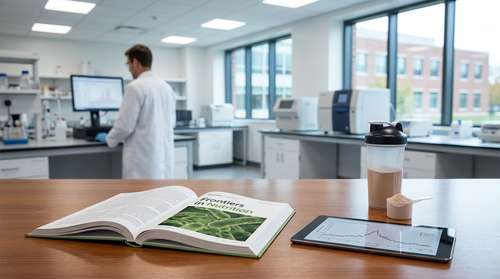
If you have ever found yourself staring at a nutrition label, wondering, "exactly how much protein do I need?", you aren't alone. For decades, the gap between official government advice and the towering tubs of whey powder in fitness locker rooms has left consumers confused. But a paradigm-shifting Frontiers in Nutrition study published this week suggests that weightlifters and athletes may have been on the right track all along. According to new research out of the University of Cambridge, our standard daily protein requirements are set dangerously low for anyone wanting to maintain strength and independence as they age.
The Flaw in the Bare Minimum Approach
Dr. Chris Macdonald, a behavioral scientist at Lucy Cavendish College and director of the Better Protein Institute, authored the new perspective paper. His central thesis is that current RDA protein guidelines—often pegged at a modest 0.8 grams per kilogram of body weight—are fundamentally flawed for active adults.
"Public health advice often focuses on the minimum people need to avoid problems," Macdonald explained in the release of his findings. In other words, the standard recommendations were engineered merely to prevent severe nutritional deficiency in sedentary individuals, not to foster maximum healthspan or human performance.
This "bare minimum" mentality means that meeting your daily protein requirements under the old rules keeps you alive, but it doesn't necessarily keep you thriving. For those asking, "how much protein do I need to actually build physical resilience?", the answer requires a radical departure from the status quo. To truly harness the benefits of the latest Dr Chris Macdonald protein research, we must stop thinking about the absolute minimum threshold and start looking at what drives vitality across a lifespan.
Redefining Optimal Protein Intake
So, what does an optimal protein intake actually look like? The evidence reviewed in the new Frontiers in Nutrition study points to targets substantially higher than traditional advice, especially when combined with a robust physical activity regimen.
The paper tackles a critical blind spot in modern health messaging: treating diet and exercise as separate silos. The true magic happens when they intersect. Engaging in higher volumes of exercise—specifically combining aerobic work like cycling or running with heavy resistance training—dramatically enhances cognitive function, immune resilience, and psychological well-being. But to fuel that level of activity, your body burns through amino acids at a rapid clip. Relying on outdated benchmarks leaves active individuals chronically under-recovered.
Macdonald's paper reveals that scaling up your consumption unlocks metabolic and functional benefits that the baseline RDA simply cannot deliver. An elevated optimal protein intake boosts satiety and increases the thermic effect of food, aiding in fat loss. More importantly, it provides the essential building blocks needed to repair muscle tissue after intense physical exertion, supporting populations ranging from elite athletes to pregnant women.
Can You Get Enough on a Plant-Based Diet?
A common concern surrounding higher daily protein requirements is the environmental and ethical impact of consuming massive amounts of meat. The Cambridge paper explicitly addresses this, noting that an optimal protein intake is entirely compatible with plant-based eating. While it requires careful meal planning to ensure a complete amino acid profile, well-designed high-protein vegan diets are safe, sustainable, and increasingly popular among competitive powerlifters.
The Crucial Role of Protein for Healthy Aging
Perhaps the most compelling argument for throwing out the old RDA protein guidelines revolves around longevity. The goal of eating more chicken, lentils, or fish isn't necessarily to build a beach body. According to the research, prioritizing protein for healthy aging is about preserving the ability to fully enjoy life for decades longer.
As we age, our bodies become naturally less efficient at synthesizing muscle tissue, a biological phenomenon known as anabolic resistance. To counteract this age-related decline, older adults actually require higher doses of amino acids to stimulate muscle repair. When you pair an aggressive nutritional strategy with consistent resistance training, the benefits cascade throughout the entire body.
The paper highlights that higher physical activity and protein consumption are strongly linked to:
- Lower all-cause mortality rates
- Stronger cognitive function and mental sharpness
- Greater resilience against fatigue and physical decline
- Improved mental health and emotional well-being
This reframes protein for healthy aging from an optional dietary tweak into a critical pillar of preventative medicine.
Time to Rethink Your Plate
The "gym bros" clutching their shaker bottles weren't wrong. They intuitively understood what the new Dr Chris Macdonald protein perspective validates: if you demand more from your body, you have to supply it with superior raw materials.
To bridge the gap between surviving and thriving, take a hard look at your current meals. Breakfast is notoriously deficient in this crucial macronutrient for most Americans, usually consisting of cereal or toast. Spreading a higher intake evenly across three to four meals maximizes muscle protein synthesis and keeps energy levels stable throughout the day.
While specific numbers vary based on activity level and age, the scientific consensus is shifting away from the bare minimum. Instead of viewing the outdated RDA protein guidelines as a target, start treating them as the absolute floor. Whether you are a marathon runner, a casual gym-goer, or a senior looking to stay mobile, upgrading your daily protein requirements might be the most effective dietary upgrade you make this year.