For years, fitness influencers and nutritional guidelines have preached a similar gospel: more protein is always better. Grocery store shelves are packed with protein-infused waters, fortified cereals, and oversized shakes. But if you spend most of your day sitting at a desk, that extra scoop of whey might be doing more harm than good. Can eating less protein slow aging? A sweeping new review suggests a radical shift in how we view macronutrients, revealing that reducing intake can improve overall metabolic health for the average person.
The Science Behind Protein Restriction for Longevity
Published on July 31, 2026, in the journal Cell Press Blue, a monumental review of more than 350 scientific studies is challenging everything we thought we knew about our daily diets. The cell press protein study 2026, led by aging biologist Dudley Lamming at the University of Wisconsin-Madison, found that while athletes absolutely need high protein intake for muscle synthesis, the average sedentary adult is likely overconsuming the macronutrient.
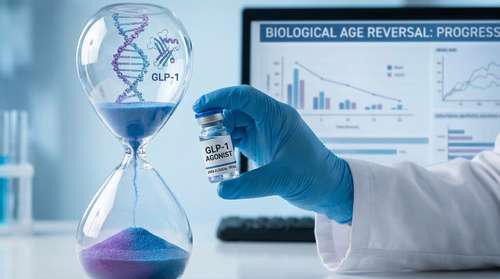
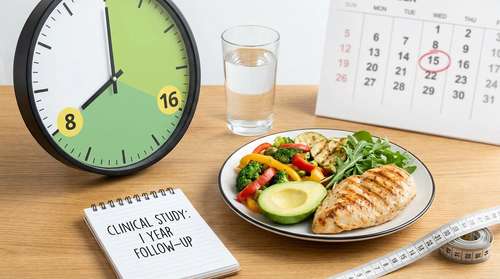
Researchers discovered that protein restriction for longevity works by triggering specific anti-aging mechanisms in the body. When protein intake is reduced, the body elevates levels of a hormone called fibroblast growth factor 21 (FGF21). This hormonal shift boosts energy expenditure, improves blood sugar control, and dramatically lowers systemic inflammation. Instead of relying on grueling calorie restriction—which most people struggle to maintain—simply eating less protein appears to activate similar biological pathways linked to a longer, healthier life.
Do I Eat Too Much Protein? The Sedentary Trap
You might be asking yourself: do I eat too much protein? If you are relatively inactive and eating the standard modern diet, the answer is likely yes. The average American man consumes nearly 100 grams of protein daily, a number that far exceeds traditional baseline dietary requirements.
When an active person consumes protein, their body utilizes the amino acids—the building blocks of protein—to repair and build muscle tissue. However, without the stimulus of physical exercise, these extraneous amino acids have nowhere to go. Instead of building a stronger physique, they accelerate cell turnover. This rapid turnover leads to molecular and cellular damage that accumulates over a lifetime, essentially accelerating the biological clock. For the average sedentary worker, skipping the extra protein shake could be one of the smartest longevity moves available.
High Protein Diet Risks You Shouldn't Ignore
While the fitness industry rarely discusses them, the high protein diet risks for sedentary individuals are becoming impossible to ignore. The recent review pinpointed specific amino acids—namely methionine, isoleucine, and valine—as primary drivers of accelerated aging when overconsumed.
Excessive amounts of these specific amino acids activate growth-signaling pathways like mTORC1. In a sedentary body, this constant signaling increases the risk of obesity, metabolic dysfunction, and age-related conditions. In laboratory studies across multiple species, restricting these specific amino acids led to reduced fat mass, improved fasting blood glucose, and delayed frailty. The takeaway is clear: constantly forcing your body into a growth state through high protein consumption, without the physical activity to warrant it, burdens your cellular machinery and drives up inflammation.
Interestingly, human clinical trials have mirrored these animal studies. Researchers observed that individuals who ate less protein actually lost weight and body fat while improving their fasting blood sugar, even in cases where they consumed more total calories. This calorie-independent benefit flips traditional weight-loss advice on its head. It turns out that a high protein intake, when not actively used for muscle remodeling by athletes, can promote metabolic dysfunction.
How to Slow Aging With Diet: Rethinking Your Macros
So, how to slow aging with diet in light of this breaking research? The key is personalization. The era of one-size-fits-all macronutrient advice is over. If you are an avid weightlifter, a pregnant woman, or an older adult actively fighting muscle loss, your protein needs remain elevated. But for the desk-bound professional, scaling back could be the secret to cellular youth.
Personalizing Your Protein Needs
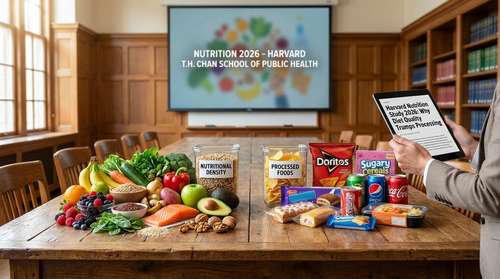
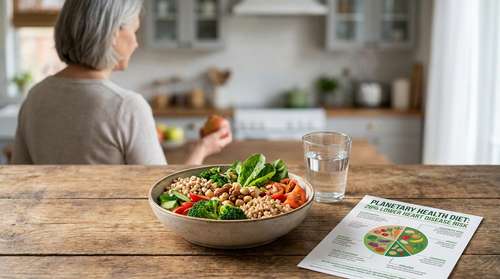
To optimize your diet for longevity, start by aligning your protein intake with your actual daily movement. If you skip the gym, you should probably skip the protein-fortified snacks. Furthermore, shifting toward plant-based proteins can naturally aid in this longevity pursuit. Plant proteins are generally lower in methionine and isoleucine—the specific amino acids linked to accelerated aging when consumed in excess. By choosing beans, lentils, and nuts over heavy animal proteins on your rest days, you naturally engage the body's protective, anti-aging mechanisms.
Experts emphasize that we shouldn't completely fear protein, but rather respect its powerful biological effects. The researchers suggest that future dietary guidelines will likely need to be personalized, factoring in not just an individual's age, but their exact level of daily physical activity. Until then, maintaining a balanced, nutritionally adequate diet without relying on processed protein supplements is a safe, scientifically backed strategy for a longer healthspan.
Ultimately, longevity isn't about packing your diet with as many nutrients as possible. It is about giving your cells exactly what they need to thrive, and nothing more. Sometimes, eating less protein truly is the secret to a longer life.