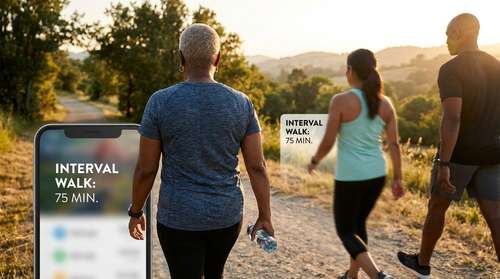
When it comes to prioritizing health, both sleep and exercise are equally significant, recent research insists. A large, multinational study has revealed a compelling dynamic: fewer than 13% of participants manage to meet the recommended 8,000 daily steps and 7-9 hours of sleep consistently. This data underscores the complex interplay between sleep and physical activity, urging us to optimize both to mitigate long-term health risks such as morbidity and mortality.
The Interplay Between Sleep and Exercise
The research, involving a substantial dataset, highlights how sleep duration can affect the number of steps taken the following day. Interestingly, while getting enough sleep seems to boost next-day activity levels, logging more steps does not significantly affect sleep quality or duration. This study suggests that the allocation of time between sleep, physical activity, and sedentary behavior shapes overall health more than we might have realized.
The Impact of Sleep on Physical Activity
Findings indicate that adequate sleep boosts physical activity levels the following day, revealing a direct link between rest and movement. Insufficient sleep might decrease physical exertion due to fatigue or hormonal disruptions. Essentially, if you want to maintain or enhance your exercise routine, getting enough rest could be the key.
The Role of Daily Steps
The study found that achieving at least 8,000 steps daily can significantly reduce cardiovascular risks and decrease overall mortality risk. For those over 60, about 6,000 steps are noted to be beneficial, with gains leveling off beyond this point. However, a consistent routine of physical activity, regardless of the total count, can complement adequate sleep in promoting health.
Research Limitations and Considerations
Despite the promising links observed, the study did face some limitations. The primary metric—step count—did not capture all activities like swimming or assess the intensity and timing of exercise. Furthermore, participants were users of consumer health monitoring devices, potentially skewing towards a health-conscious or higher socio-economic demographic, thus not providing a fully representative global sample. Author Josh Fitton emphasizes, "The step count metric used does not capture other forms of physical activity...which will be important to consider moving forward."
Sleep and Exercise Recommendations
Health guidelines suggest adults aged 18 to 64 should aim for 7 to 9 hours of sleep per night, with those over 65 needing 7 to 8 hours. However, the research found that only 12.9% of individuals manage to balance both recommended sleep hours and step count, shedding light on the need for better public health strategies that support both areas simultaneously.
Path Forward: Bridging Sleep and Physical Activity
This study showcases the bidirectional relationship between physical activity and sleep, which suggests that interventions could be more successful if they address both simultaneously. Improved public health guidelines could help individuals achieve optimal health by making it easier to meet both sleep and movement needs rather than targeting them individually. Bridging this gap could lead to healthier communities and improved long-term health outcomes.