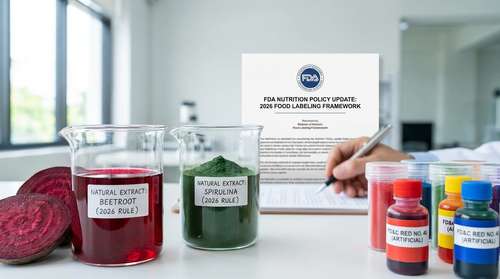
In a landmark shift for American nutrition policy, the U.S. Food and Drug Administration (FDA) announced major updates to FDA food labeling rules 2026 this week, fundamentally changing how food companies can market natural ingredients. Under the new guidance released Thursday, manufacturers are now permitted to use the highly sought-after "no artificial colors" claim on product packaging even when they add naturally derived colorants like beetroot red and spirulina extract. This regulatory overhaul marks a decisive move away from petroleum-based food dyes and aims to eliminate consumer confusion in the supermarket aisle.
A New Definition for 'No Artificial Colors'
For decades, FDA regulations created a paradox for health-conscious brands. Technically, any ingredient added to food to change its color—whether it was synthetic Red 40 or fresh beet juice—was classified as an "artificial color" or required specific labeling that prevented a clean "no artificial colors" claim. If a brand added fruit juice to a yogurt to make it pink, they often couldn't claim the product was free of artificial colors because, legally, the color was added artificially.
The new 2026 enforcement discretion policy changes this. Effective immediately, the FDA will allow the no artificial colors claim on products that are free from synthetic, petroleum-based dyes, even if they contain color additives from natural sources. FDA Commissioner Dr. Marty Makary described the previous rules as a "hindrance" to innovation, stating that the update will "make it easier for companies to use these colors in the foods our families eat every day."
Fast-Tracking Natural Alternatives
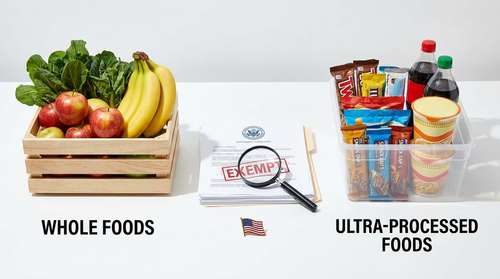
This policy shift is not just about words on a package; it is a green light for the ingredient industry. As part of the announcement, the agency finalized beetroot red FDA approval as a color additive exempt from certification. This approval follows a successful petition from food tech innovators who have long argued that natural pigments need a smoother regulatory path.
Additionally, the FDA has significantly expanded the authorized uses for spirulina food extract. While previously limited to specific categories like candies and gums, the blue-green algae derivative can now be used in a broader range of beverage and culinary applications. These moves are designed to give manufacturers a robust palette of natural options to replace synthetic dyes.
Phasing Out Petroleum-Based Food Dyes
The driving force behind this update is a broader administration goal to phase out petroleum-based food dyes from the American diet. Synthetic dyes like Red 40, Yellow 5, and Blue 1 have faced increasing scrutiny from health advocates and parents concerned about their potential links to behavioral issues in children. By making it easier to market natural alternatives, the FDA is using market forces to accelerate the transition.
HHS Secretary Robert F. Kennedy Jr. praised the move, calling it "real progress" in the effort to "Make America Healthy Again." The logic is simple: if companies can slap a premium "No Artificial Colors" label on their box by switching from Red 40 to beetroot, they will do it faster than if they were forced to by a ban. This aligns with the wider nutrition policy 2026 framework, which prioritizes transparency and incentive-based reformulation over strict prohibition.
What Consumers Can Expect
Shoppers should expect to see updated packaging hitting shelves within months. The no artificial colors claim will likely become a standard differentiator for major CPG brands looking to compete with health-focused startups. However, consumers should still read the ingredient list. While the "no artificial" claim ensures the absence of synthetic dyes like Yellow 6, it now encompasses a wide range of plant, mineral, and algae-based colors.
Industry experts predict a surge in demand for agricultural commodities used for pigments. The expanded approval for spirulina food extract and the new status of beetroot red will likely spur domestic production of these crops. "This is the signal the market was waiting for," said a leading food industry analyst. "The friction between using clean ingredients and marketing them effectively has finally been removed."
Looking Ahead: Nutrition Policy 2026
This labeling update is just the first domino in a year expected to be heavy on food regulation reform. With FDA food labeling rules 2026 now actively favoring natural sources, the industry is bracing for further discussions on "ultra-processed" definitions and front-of-pack warning labels. for now, however, the clarity on color additives is a clear win for transparency.
As brands rush to reformulate, the era of neon-bright, petroleum-colored snacks may be dimming, replaced by the earthier, yet legally "natural," hues of the future.