Certain sleeping positions can have profound effects on your health. Experts agree that sleeping on your side might be more beneficial than other positions. Contrarily, resting on your stomach or back could compromise your well-being.
The Science Behind Sleep Posture
Quality sleep is imperative for maintaining overall health. During rest, your body performs essential functions such as supporting brain activities and preserving physical health. Proper sleep affects your heart, metabolic processes, respiratory health, and your immune system's effectiveness. Consequently, the way you sleep matters significantly.
Some sleep positions can lead to ailments such as back pain and stiffness. Sleeping on your back might even exacerbate sleep apnea or indigestion. Nancy Collop, MD, a seasoned expert in neurology and sleep medicine, notes how sleeping posture affects respiratory health. "If your upper airway is prone to collapse, you may be more likely to snore or experience sleep apnea when lying on your back," she says.
Best Sleeping Positions
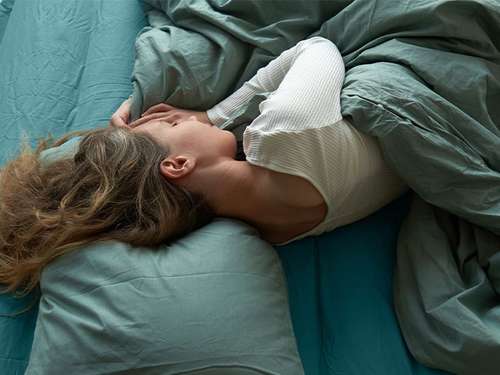
The side sleeping position stands out as one of the best choices for many, especially for those with specific medical requirements. Experts like Sarathi Bhattacharyya, MD, emphasize that the "best" position often depends on individual health conditions.
For those suffering from back and neck pain, sleeping on your back is typically recommended as it aligns the spine and prevents neck strain.
Special Considerations
These recommendations change depending on conditions such as sleep apnea or pregnancy. For sleep apnea, side sleeping is often suggested unless treated with a CPAP machine. During pregnancy, particularly in later trimesters, the left side position is favored to avoid compressing significant veins in the neck.
Worst Sleeping Positions
On the other hand, sleeping on your back is often touted as the worst position. According to Collop, it can lead to breathing difficulties, although solutions like elevating the head may help. Bhattacharyya concurs, pointing out its potential to aggravate sleep apnea and disrupt breathing.
Both experts suggest that stomach sleeping can exacerbate conditions like sleep apnea and chronic pain. It also tends to increase neck, back, and shoulder pain.
Adjusting Your Sleep Position
Changing your sleep posture isn’t easy and may take weeks or even months, warn both Collop and Bhattacharyya. However, they offer practical tips to help adjust your sleeping habits.
If you want to adopt back sleeping, placing pillows under your knees and lower back can help. For side sleepers, a pillow between the legs assists with spinal alignment. Start each night in your preferred position and use supportive pillows and a suitable mattress for better results.
Tools to Aid Sleep Position Change
Several gadgets and techniques can assist you in this endeavor. Collop suggests devices that discourage back sleeping by making it uncomfortable, like those with a "bumper" along your spine. Even a sewn tennis ball into the back of your pajamas can deter rolling onto your back.
Ultimately, quality sleep significantly impacts your health, and your sleeping position plays a pivotal role. Consulting healthcare professionals for personalized advice can also ensure your sleep position serves your health optimally.