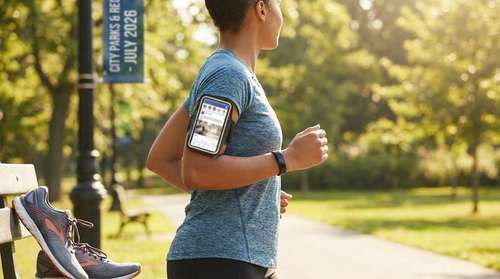
If you have scrolled through social media this weekend, you have likely noticed a shift from high-intensity sprinting to something deceptively simpler. A 2007 scientific breakthrough has resurfaced as the viral Japanese walking trend, captivating fitness enthusiasts across the U.S. this March. Unlike the daunting 10,000-step daily goal that has ruled pedometers for years, this method promises superior health markers—including lower blood pressure and increased muscle strength—in just 30 minutes a day. With fitness trends 2026 leaning heavily toward longevity and efficiency, it is no surprise that this low-impact protocol is currently ranking #1 in health searches.
The Resurgence of the Shinshu University Walking Study
While the hashtags are new, the science is nearly two decades old. The method originates from a landmark study conducted by Dr. Hiroshi Nose at Shinshu University in Matsumoto, Japan. In 2007, Dr. Nose and his team sought to solve a critical problem: steady-state walking (like the traditional evening stroll) was not providing significant aerobic boosts for many adults.
The researchers discovered that participants who utilized a specific interval walking benefits protocol—alternating between high and low intensity—saw drastic improvements compared to those who simply walked at a continuous pace. The study, which monitored hundreds of middle-aged and older adults over five months, found that the interval group increased their peak aerobic capacity (VO2 peak) by up to 20% and significantly improved thigh muscle strength.
How to Master the 3-Minute Walking Interval
The genius of the Japanese walking method lies in its structured simplicity. It does not require a gym membership, weights, or expensive wearables. The core of the practice is the 3-minute walking interval pattern, often referred to in research circles as Interval Walking Training (IWT).
The Protocol
- Warm-up: Start with a casual 5-minute stroll to loosen up your joints.
- Fast Interval (3 Minutes): Walk at a pace where conversation becomes difficult (roughly 70% of your maximum effort). You should feel a slight burn in your legs and an elevated heart rate.
- Slow Interval (3 Minutes): Drop immediately to a leisurely pace (40% effort) to recover. This creates the "interval" effect that shocks the cardiovascular system into adaptation.
- Repeat: Complete 5 sets of these intervals for a total of 30 minutes.
To see the clinically proven results, Dr. Nose’s research suggests performing this routine at least four days a week. For many Americans joining the challenge this week, the appeal is the time efficiency—getting a potent low-impact cardio workout in half an hour.
Why It Beats the 10,000 Steps Myth
For years, the gold standard of daily activity was hitting 10,000 steps. However, modern exercise physiology has shifted focus. Quantity matters less than quality. The Shinshu data highlighted that walkers who stuck to steady, moderate pacing saw "trivial" improvements in aerobic capacity and blood pressure compared to the interval group.
By engaging in zone 2 training (and dipping into zone 3 during the fast intervals), you force your heart to pump more efficiently. The fast intervals recruit fast-twitch muscle fibers in the glutes and hamstrings that steady walking ignores. This is crucial for aging bodies, as leg strength is a primary predictor of longevity and mobility.
Fitness Trends 2026: The Shift to Longevity
Why is this exploding now? The fitness landscape of 2026 is defined by "sustainable longevity." High-impact exercises that wreck cortisol levels and joints are out; smart, science-backed movement is in. Japanese walking aligns perfectly with the current zeitgeist. It offers the cardiovascular perks of running without the knee impact, making it accessible to everyone from Gen Z TikTokers to their grandparents.
Recent search data from the last 48 hours indicates a spike in queries for "Japanese interval walking vs running" and "walking for blood pressure." As we head deeper into spring, this method provides a perfect outdoor alternative to stuffy gyms. Whether you are looking to boost your VO2 max or simply want a workout that fits into a lunch break, the science from Matsumoto proves that three minutes of hustle is all it takes to transform your walk.