If you woke up this morning feeling like you swallowed a handful of razor blades, you aren't alone. Across the country, emergency rooms and urgent care clinics are seeing a surge in patients reporting a uniquely painful, stabbing sore throat—the hallmark symptom of the dominant COVID-19 variant for the 2026 winter season, known as Nimbus (NB.1.8.1). While this Omicron descendant is generally causing mild illness in healthy adults, its rapid spread has coincided with a major shift in how Americans navigate infection: the CDC's fully implemented "flexible isolation" strategy.
The Rise of Nimbus (NB.1.8.1)
First identified in late 2025, the NB.1.8.1 lineage—dubbed "Nimbus" by variant trackers for its cloud-like ability to cover widespread areas quickly—has outpaced previous strains like JN.1 to become the primary driver of respiratory infections this January. Genomic surveillance data indicates that Nimbus carries specific mutations in its spike protein that allow it to bind more tightly to ACE2 receptors in the upper respiratory tract. This enhanced binding affinity explains why it is so transmissible, even in outdoor settings or among those with prior immunity.
Unlike the respiratory-heavy variants of 2020 or the fatigue-dominant strains of 2024, Nimbus seems to concentrate its viral load aggressively in the pharynx. "The viral replication we are seeing in the throat tissue is intense and rapid," explains Dr. Sarah Vane, a virologist monitoring the spread. "This leads to significant inflammation before the immune system even mounts a fever, which is why the sore throat is often the very first sign of trouble."
Symptom Watch: The "Razor Blade" Throat
The defining characteristic of the Nimbus variant is widely reported as a sharp, stabbing pain in the throat, distinct from the scratchy irritation typical of a common cold. Patients often describe the sensation as swallowing glass or razor blades, a symptom that can make hydration difficult. While this intensity can be alarming, it typically resolves within 3 to 4 days.
Other Key Symptoms to Watch
Beyond the severe throat pain, NB.1.8.1 presents a constellation of symptoms that distinguish it from the seasonal flu:
- Gastrointestinal Distress: Unlike earlier variants, Nimbus frequently causes nausea and diarrhea in the first 24 hours of infection.
- Delayed Fever: Many patients do not run a fever until days 2 or 3, or sometimes not at all, complicating reliance on temperature checks for screening.
- Hoarseness: A temporary loss of voice or significant raspiness is common due to laryngeal inflammation.
Navigating the 24-Hour Isolation Rule
Perhaps the biggest change for Americans in 2026 is the practical application of the CDC's updated isolation guidelines. Moving away from the rigid five-day quarantine periods of the pandemic's early years, health officials now advise a symptom-based approach similar to protocols for influenza and RSV.
Under the current 2026 guidelines, individuals who test positive for COVID-19 can return to work and school once they meet two specific criteria:
- They have been fever-free for at least 24 hours without the use of fever-reducing medications (like ibuprofen or acetaminophen).
- Their overall symptoms have consistently improved.
"The goal is to treat COVID-19 as a manageable respiratory virus rather than a societal disruptor," notes CDC spokesperson Dr. Marcus Chen. However, officials emphasize that ending isolation doesn't mean ending precautions. The agency strongly recommends wearing a high-quality N95 or KN95 mask for an additional five days after returning to public activities to protect vulnerable populations.
Vaccine Protection and Treatment in 2026
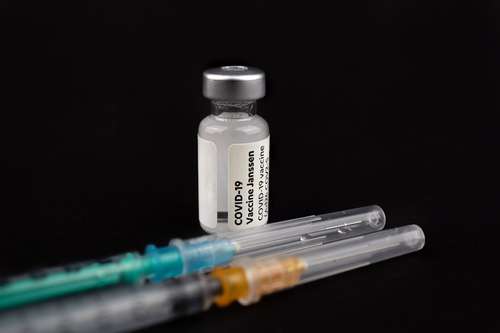
With the 2025-2026 respiratory season in full swing, questions about vaccine efficacy against Nimbus are front and center. The updated mRNA boosters released in September 2025 were designed to target the JN.1 lineage, the "parent" of NB.1.8.1. Real-world data suggests these shots remain highly effective at preventing hospitalization and severe disease, even if they don't fully block symptomatic infection.
For those who do get sick, antiviral treatments like Paxlovid remain the standard of care for high-risk patients, though they must be started within five days of symptom onset. Physicians are urging patients to test immediately if that tell-tale stabbing throat pain appears, as early intervention can significantly shorten the duration of the illness.
Practical Steps for the Winter Surge
As NB.1.8.1 circulates alongside flu and RSV, differentiating your illness is crucial. Home tests are still effective at detecting Nimbus, though the variant's throat-centric replication means a throat swab (in addition to a nasal swab) may yield a more accurate result in the first 48 hours.
If you test positive, rest and hydration are your best defenses against the intense throat pain. Lozenges containing benzocaine or menthol can offer temporary relief, and sticking to soft, cool foods can prevent further irritation. While the rules for isolation have relaxed, the responsibility remains: if you are sick, stay home until you are well, ensuring we keep our communities functional and safe through the winter months.