As the winter chill settles in across the United States this January 2026, a new viral challenger has rapidly climbed the charts to become the dominant strain of COVID-19. Health experts are now sounding the alarm over the NB.1.8.1 'Nimbus' variant, a highly contagious Omicron sub-lineage that is driving the current winter COVID surge 2026. Unlike its predecessors, which often presented with a mild scratchy throat or runny nose, Nimbus is making headlines for a uniquely aggressive symptom: a severe, stabbing pain patients are calling the "razor blade" sore throat.
The Rise of NB.1.8.1: A New Level of Contagiousness
First identified late last year, the NB.1.8.1 variant—colloquially dubbed "Nimbus" for its cloud-like ability to cover vast regions quickly—has outpaced other circulating strains, including the "Stratus" (XFG) variant. According to the latest data from the Centers for Disease Control and Prevention (CDC), Nimbus now accounts for over 60% of new cases in the U.S. as of mid-January 2026.
Virologists attribute this rapid takeover to specific mutations in the spike protein that enhance the virus's ability to bind to ACE2 receptors in the upper respiratory tract. This "sticky" nature makes NB.1.8.1 Nimbus variant contagiousness significantly higher than previous Omicron offshoots. While hospitalization rates remain stable thanks to widespread population immunity, the sheer volume of infections is causing disruptions in schools and workplaces nationwide.
The 'Razor Blade' Sore Throat: Identifying the Signature Symptom
If you wake up feeling like you are swallowing broken glass, you are likely experiencing the hallmark symptom of this wave. The term razor blade sore throat COVID has trended on social media as patients describe a level of pharyngeal pain that feels disproportionate to their other mild symptoms.
Dr. Elena Rostova, an infectious disease specialist monitoring the 2026 COVID variant update, explains why this sensation is so distinct. "Unlike the tickle or dryness we saw with earlier variants, Nimbus aggressively targets the mucosal lining of the throat," she notes. "This triggers an intense inflammatory response, leading to the sharp, stabbing sensation patients describe as 'razor blades' when they swallow."
Other Common Symptoms to Watch For
While the throat pain is the standout feature, the NB.1.8.1 Nimbus variant symptoms profile includes other familiar signs. Most patients report a combination of:
- Intense sore throat (often the first sign)
- Severe congestion and runny nose
- Deep fatigue and muscle aches
- Mild to moderate fever (lasting 24-48 hours)
- Hoarseness or lost voice
Notably, loss of taste and smell—once a classic COVID indicator—remains rare with Nimbus, appearing in fewer than 15% of cases.
Nimbus vs. Flu: Navigating the 2026 Viral Landscape
Distinguishing between the new COVID variant and the seasonal flu can be challenging without a test. However, understanding COVID symptoms vs flu 2026 can provide clues. The flu often hits like a truck with a sudden high fever and body-wide exhaustion. In contrast, Nimbus tends to start with that specific, localized throat agony before other systemic symptoms set in.
Additionally, the incubation period for NB.1.8.1 is incredibly short—often just 2 to 3 days after exposure—whereas influenza typically takes longer to manifest. This rapid onset is a key reason why the latest COVID news January 2026 highlights how difficult it is to contain household spread; by the time you feel that first stab of pain, you may have already been infectious for a day.
Treatment and Management in 2026
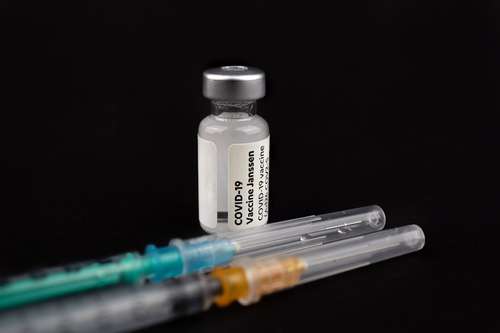
The good news is that despite the discomfort, existing treatments remain effective. The 2025-2026 updated COVID boosters continue to provide strong protection against severe disease, even if they don't completely prevent infection from this slippery variant. For those at high risk, antivirals like Paxlovid are still the gold standard, though they must be started within days of symptom onset.
For the "razor blade" throat specifically, doctors are recommending a regimen of ibuprofen or acetaminophen to manage inflammation, along with warm saltwater gargles and numbing throat sprays containing benzocaine. Hydration is critical, as the pain often discourages drinking, leading to dehydration which can worsen fatigue.
Stay Safe During the Surge
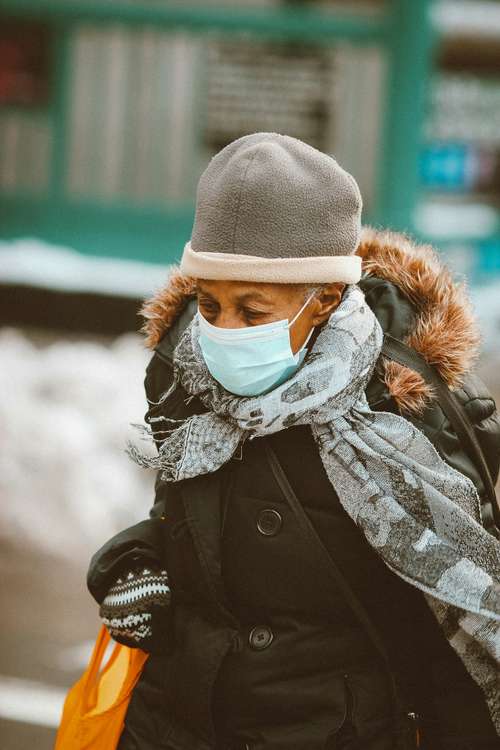
As we navigate the peak of this winter COVID surge 2026, the advice remains consistent but crucial. High-quality masks (N95 or KN95) are your best defense in crowded indoor spaces where Nimbus thrives. If you develop that tell-tale sharp throat pain, assume it is Nimbus until tested otherwise. With rapid spread defining this variant, early isolation is the best way to protect your community and help flatten this latest curve.