A sharp, excruciating pain often described as swallowing shards of glass has become the hallmark symptom of the new COVID-19 variant sweeping across the United States this January. Known scientifically as NB.1.8.1 and colloquially as "Nimbus," this highly contagious Omicron sub-lineage is fueling a significant mid-winter "bounce back" in cases. Public health officials report a 13% spike in infections across major metropolitan areas over the last week alone, complicating an already intense respiratory virus season in early 2026.
The Rise of Nimbus (NB.1.8.1) in Winter 2026
Just as many Americans thought the winter viral wave was subsiding, the Nimbus variant has triggered a second peak. First detected in late 2025, NB.1.8.1 has quickly outpaced other circulating strains to become the dominant variant in the U.S. Viral sequencing data indicates that Nimbus is exceptionally efficient at bypassing immunity from previous infections, contributing to the rapid rise in case numbers observed since the holidays.
The current surge is being termed a "bounce back" phenomenon. After a brief lull in December, emergency room visits and wastewater viral levels have climbed steadily through the first two weeks of January 2026. Experts attribute this to the variant's unique mutations, which allow it to bind more tightly to cells in the upper respiratory tract, facilitating faster transmission in indoor winter settings.
Why the "Razor Blade" Sore Throat?
What sets Nimbus apart from its predecessors isn't just its spread, but the sheer intensity of its symptoms. Patients are reporting a distinct form of pharyngitis that is far more painful than the scratchy throats associated with earlier Omicron waves. This "razor blade" sore throat often appears before other symptoms like congestion or fever, serving as an early warning sign of infection.
Why does it hurt so much? Medical researchers believe the NB.1.8.1 variant has a higher affinity for ACE2 receptors, which are abundant in the throat and upper airway. This leads to localized viral replication that causes severe inflammation and mucosal damage in the pharynx. "It’s not just a tickle; patients describe it as feeling raw and inflamed, making swallowing incredibly difficult," notes Dr. Matthew Kelly, an infectious disease specialist tracking the surge. This concentrated inflammation is likely responsible for the intense pain even in mild cases.
Other Nimbus Variant Symptoms
While the sore throat is the standout symptom, Nimbus presents with a cluster of other signs to watch for:
- High viral load congestion: Intense runny or stuffy nose.
- Hoarseness: Voice changes due to throat inflammation.
- Fatigue: Sudden, overwhelming exhaustion.
- Muscle aches: Generalized body pain, often in the lower back.
- Night sweats: Similar to previous BA.5 waves.
Vaccine Effectiveness and Nimbus
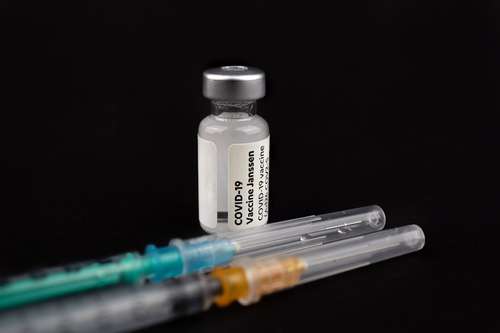
With the surge in full swing, the pressing question for many is whether current vaccines still work. The good news is that the updated COVID-19 vaccines distributed in late 2025 continue to provide robust protection against severe disease, hospitalization, and death. While NB.1.8.1 is "slippery" and can cause breakthrough infections, vaccinated individuals are significantly less likely to develop complications or Long COVID.
However, the "sterilizing immunity"—protection against getting infected at all—wanes relatively quickly. If it has been more than six months since your last booster or infection, your defenses against contracting Nimbus specifically may be lower, even if you are protected against severe outcomes. Health officials are urging vulnerable groups, including seniors and the immunocompromised, to ensure they are up to date with the latest formulation.
Navigating the January 2026 Surge
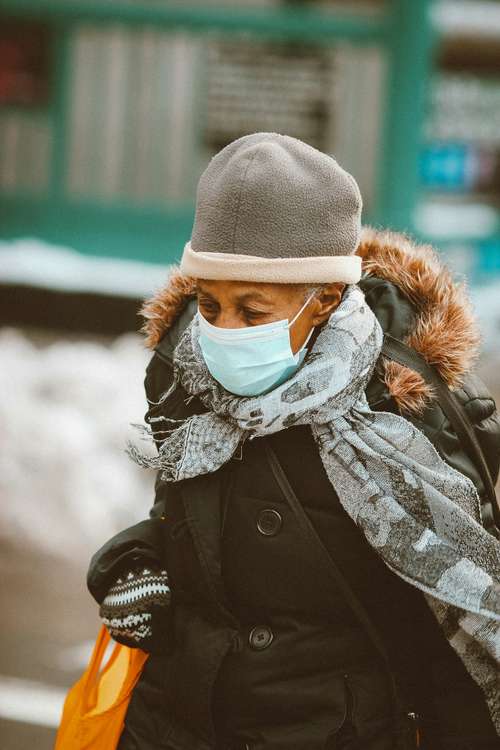
As we move deeper into January, simple precautions can help break the chain of transmission. The "razor blade" variant is airborne and lingers in poorly ventilated spaces. High-quality masking (N95 or KN95) remains the most effective tool for preventing infection in crowded public transport or travel hubs.
If you develop the signature sore throat, rapid testing is crucial. Because NB.1.8.1 replicates fast, tests often turn positive within 24 hours of symptom onset. Early detection allows for prompt treatment with antivirals like Paxlovid, which remain effective against this variant and can help reduce the duration of that painful sore throat.
Stay informed and stay safe. If you experience severe difficulty breathing or inability to swallow liquids, seek medical attention immediately.