Imagine if a single night of sleep could reveal the future of your health, identifying risks for conditions like dementia, heart attacks, and cancer years before symptoms ever appear. This scenario is no longer science fiction. In a groundbreaking study published this week in Nature Medicine, researchers at Stanford Medicine unveiled Stanford SleepFM AI model, a revolutionary artificial intelligence system that treats physiological sleep signals as a language. By decoding this "language of sleep," the new tool can forecast over 100 distinct health conditions, marking a massive leap forward for future health risk prediction.
The Language of Sleep: How SleepFM Works
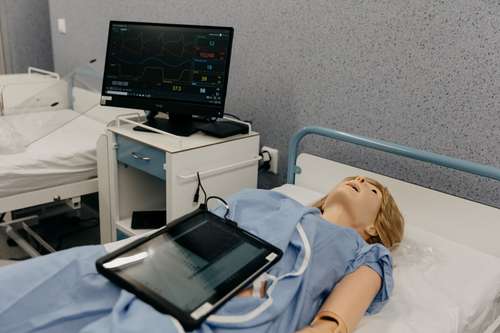
For decades, sleep studies—known as polysomnography—have been the gold standard for diagnosing sleep disorders like apnea. However, the vast majority of the data collected during these overnight sessions has gone unused. The team at Stanford realized that the brain waves, heart rhythms, and breathing patterns recorded during sleep contain a treasure trove of hidden health information. To unlock it, they developed SleepFM, a foundation model similar to the technology behind ChatGPT, but trained on biological signals instead of text.
The model was trained on a massive dataset comprising approximately 600,000 hours of polysomnography recordings from over 65,000 individuals. By analyzing this data in five-second increments, the AI learned to recognize complex patterns and interactions between different bodily systems. According to James Zou, a senior author of the study and associate professor of biomedical data science, the system essentially "learned the language of sleep," allowing it to spot subtle anomalies that human doctors might miss.
Predicting Disease From Sleep: A Window into Future Health
The most remarkable finding from the AI sleep study Nature Medicine published is the model's ability to predict a wide array of chronic diseases. By linking the sleep data with decades of patient health records, the researchers found that SleepFM could accurately forecast the risk for 130 different conditions. This capability transforms a standard sleep test into a comprehensive health screening tool.
The SleepFM 100 health conditions list includes major killers and debilitating diseases such as:
- Parkinson’s Disease: Predicted with 89% accuracy.
- Alzheimer’s and Dementia: Predicted with 85% accuracy.
- Cardiovascular Issues: Including heart attacks and hypertensive heart disease.
- Cancers: High predictive accuracy for prostate and breast cancer.
The secret to this predictive power lies in "asynchrony." The AI discovered that when different bodily systems fall out of sync—for example, if the brain is in deep sleep but the heart is beating as if awake—it often signals impending health trouble. Emmanuel Mignot, the study's co-senior author, noted that the interplay between these channels provided the most critical data for disease prediction.
Beyond Apnea: The Future of AI in Healthcare 2026
This development represents a significant shift in AI in healthcare 2026 trends. Until now, sleep medicine has largely focused on treating immediate sleep disturbances. With tools like SleepFM, the field is poised to become a cornerstone of preventative medicine. The ability to predict disease from sleep means that patients undergoing routine monitoring for snoring or fatigue could inadvertently receive life-saving early warnings for completely different conditions.
From Labs to Wearables
While the current model relies on clinical polysomnography AI analysis, the implications extend far beyond the sleep lab. The researchers envision a future where this technology is adapted for consumer wearable devices. Smartwatches and sleep rings already track heart rate and movement; integrating a version of SleepFM could turn these everyday gadgets into powerful health sentinels.
As this technology matures, it promises to democratize access to advanced diagnostics. Instead of waiting for a disease to manifest, your nightly rest could provide the data needed to intervene early, potentially changing the trajectory of your health span.