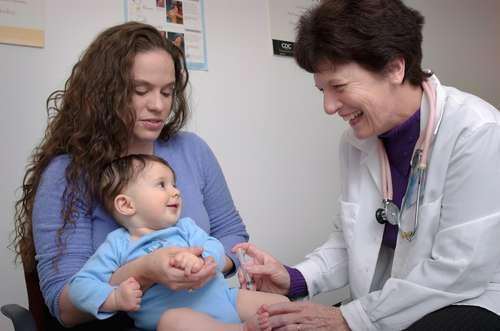
In a landmark shift that is reshaping pediatric healthcare across the nation, the Centers for Disease Control and Prevention (CDC) officially updated the CDC childhood vaccine schedule 2026 on January 5, reducing the number of universally recommended routine immunizations from 17 to 11. The new guidelines, announced by HHS leadership, move six previously standard vaccines—including those for Hepatitis B, Influenza, and Rotavirus—to a "consultation-only" status, urging shared decision making vaccines protocols between parents and providers.
Major Changes to the 2026 Immunization Landscape
The updated schedule represents the most significant overhaul of federal immunization guidance in decades. Under the new CDC immunization guidelines, the agency has reclassified several shots that were once routine for every American child. The vaccines for Influenza (flu), COVID-19, Rotavirus, Hepatitis A, Hepatitis B, and Meningococcal disease are no longer universally recommended for all healthy children. Instead, they fall under a new category of "shared clinical decision-making," meaning parents must proactively discuss the risks and benefits with their pediatrician to decide if these shots are appropriate for their child.
Additionally, the RSV vaccine for babies update indicates that immunizations for Respiratory Syncytial Virus (RSV) are now primarily recommended for high-risk infants rather than the general population. This aligns with the stated goal of Department of Health and Human Services (HHS) officials to narrow the focus of the routine schedule to a "core" list of vaccines.
Hepatitis B and the "Birth Dose" Shift
One of the most discussed changes involves the Hepatitis B vaccine for infants. For over thirty years, the standard of care was to administer the first dose of the Hepatitis B vaccine to newborns within 24 hours of birth to prevent vertical transmission and early childhood infection. The 2026 schedule eliminates this universal birth dose recommendation for infants born to mothers who test negative for the Hepatitis B surface antigen.
Newborns will now only routinely receive the birth dose if the mother tests positive or her status is unknown. For all other infants, the decision to vaccinate against Hepatitis B is deferred to later visits under the shared decision-making framework. This move has sparked intense debate, with critics arguing it removes a critical safety net, while proponents claim it aligns the U.S. with practices in other developed nations like Denmark and Japan.
The Debate: Alignment vs. Public Health Risk
The rationale provided by HHS leadership for these drastic changes is to harmonize U.S. policy with "peer" nations that have fewer mandatory childhood vaccines. Officials argue that the new schedule offers more flexibility and reduces "coercion" in pediatric care. However, the move has drawn sharp rebuke from major medical organizations.
The American Academy of Pediatrics (AAP) immediately issued a statement reaffirming its support for the previous comprehensive schedule, calling the changes "dangerous and unnecessary." Dr. Andrew Racine, president of the AAP, warned that moving essential vaccines to a consultation-only status could lead to lower coverage rates and a resurgence of preventable diseases. Many private practices, including prominent groups like Tribeca Pediatrics, have announced they will continue to follow the AAP's evidence-based schedule rather than the new CDC guidelines, creating a bifurcated system where vaccine recommendations for children may vary significantly depending on the provider.
What This Means for Parents and Insurance
For parents navigating pediatric health news 2026, the immediate question is often about access and cost. Despite the removal of these vaccines from the universally recommended list, HHS has confirmed that they will remain covered by most insurance plans, including Medicaid and the Vaccines for Children (VFC) program, without cost-sharing. The classification of "shared clinical decision-making" effectively preserves insurance coverage while removing the automatic recommendation.
However, the burden is now on families to initiate these conversations. Health experts advise that parents should prepare for their well-child visits by researching these six vaccines and having a list of questions ready. With the landscape of vaccine recommendations for children becoming more complex, the doctor-patient relationship is more critical than ever in ensuring children remain protected against serious illnesses.