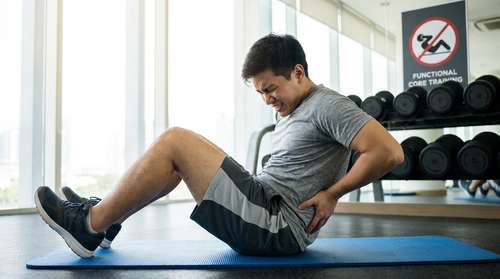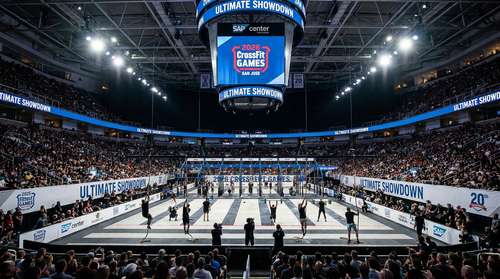
On Friday, March 13, 2026, as global health advocates observe World Sleep Day, a radical transformation is taking place within the industry. But what if the most powerful thing you could do for your physical health today was absolutely nothing? Gone are the days when grueling, high-intensity intervals were the only metric of a successful gym session. Today, NapTime fitness classes are taking center stage, marking a paradigm shift in how we approach athletic longevity. To combat a chronic global sleep deficit, leading operators are proving that doing less yields significantly more. As wellness paradigms shift, restorative recovery workouts are officially dominating fitness trends 2026.
The Rise of NapTime Fitness Classes
The fitness industry has traditionally celebrated sweat, hustle, and pushing physical limits. However, on this World Sleep Day 2026 fitness experts are officially embracing a much softer, more strategic approach. Operating under this year's global theme, "Sleep Well, Live Better", gyms across the globe are trading kettlebells for pillows and prioritizing regeneration over sheer exertion.
The motivation behind this shift is grounded in alarming public health data. In fast-paced metropolitan hubs like Dubai, regional research released this week reveals that only one in five adults achieve the recommended eight hours of nightly rest. Millions are navigating their daily routines in a state of chronic exhaustion, battling elevated cortisol levels and systemic inflammation. Recognizing that you cannot out-train sleep deprivation, modern fitness facilities are intervening by offering dedicated spaces for profound, undisturbed rest.
Inside GymNation's Phone-Free Restorative Experience
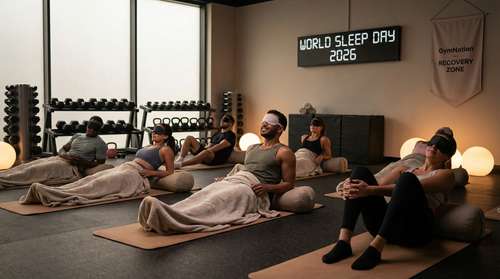
Leading the charge in this restorative revolution is the Middle East fitness powerhouse GymNation. Just this week, they launched their highly anticipated GymNation recovery classes dubbed "NapTime". This 45-minute session is entirely devoid of barbells, treadmills, or shouting instructors. Instead, it is meticulously designed to coax the human body out of its permanently switched-on state.
The innovative class operates in four distinct, tranquil stages:
- Physical Release: The session begins with gentle yoga and stretching to alleviate deep-seated muscular tension.
- Mental Reset: Instructors guide participants through structured breathwork and meditation to quiet the mind and lower heart rates.
- Deep Slumber: The environment transforms into a curated sleep sanctuary equipped with premium beds, heavy duvets, ergonomic pillows, and eye masks.
- Sound Healing: A live handpan musician plays resonant, harmonic tones to facilitate natural transitions into restorative rest.
Crucially, the entire experience is strictly phone-free. Members must surrender their devices to a secure lockbox before crossing the studio threshold. By eliminating the psychological noise of notifications and the melatonin-suppressing glare of blue light, the class forces participants to disconnect entirely—a challenge that, in 2026, often proves more difficult than a heavy lifting session.
The Science of Sleep Optimization for Athletes
While napping in a commercial gym might sound like a satirical marketing stunt, the biomechanical rationale is airtight. Sleep optimization for athletes has evolved from a luxury biohacking niche to a non-negotiable component of elite performance. During deep, slow-wave sleep, the pituitary gland releases human growth hormone, which is absolutely vital for muscle protein synthesis and tissue repair.
According to Dr. Gurveen Ranger, a Consultant Clinical Psychologist who collaborated on the NapTime initiative, extending sleep can boost physical performance by up to 9 percent, while losing sleep degrades output by a similar margin. Elite competitors often require 9 to 10 hours of sleep to support the physiological demands of intense training. Adequate rest manages hormonal regulation, reduces catabolic processes, and sharpens neuromuscular reaction times, proving that real gains happen during rest, not just under tension.
Why "Recovery is the New Cardio" in 2026
Rory McEntee, Chief Marketing Officer at GymNation, perfectly captured the industry's changing ethos during the program's unveiling this week: "Recovery is the new cardio". The launch of these sleep-centric sessions highlights how nervous system regulation exercise is fundamentally reshaping gym schedules globally.
For decades, the standard fitness model treated rest as a passive afterthought—something you did only if time permitted. Today, active recovery is marketed alongside traditional strength and cardiovascular training. GymNation Coach Desmond Wong emphasized this week that sleep remains our most powerful, yet most neglected recovery tool. By combining light movement with mindful breathing, these classes intentionally shift the nervous system from a sympathetic "fight or flight" state into a parasympathetic "rest and digest" mode, lowering stress hormones and preparing the body for genuine cellular repair.
The Future of Holistic Fitness
As we navigate the remainder of the year, the boundaries between clinical sleep therapy and mainstream athletic training will continue to blur. Wearable technology and advanced health trackers have made consumers acutely aware of their sleep architecture, driving demand for facilities that support their recovery metrics. Restorative recovery workouts offer a necessary antidote to modern burnout, allowing individuals to train smarter rather than harder.
The widespread adoption of NapTime fitness classes and similar restorative protocols proves that true health requires a balanced equation. Whether you are an elite competitor preparing for a triathlon or a corporate professional trying to survive the workweek, the smartest workout on your schedule might simply require closing your eyes and drifting off to sleep.