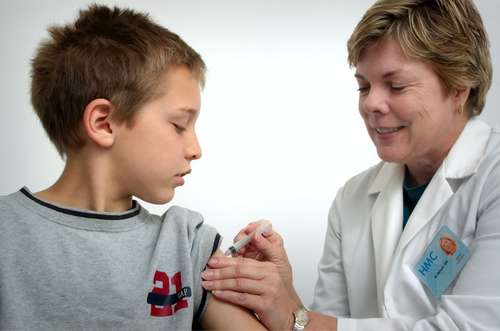
On January 12, 2026, the Centers for Disease Control and Prevention (CDC) fundamentally reshaped pediatric healthcare in the United States, officially releasing a stripped-down CDC vaccine schedule 2026 that reduces the number of universally recommended childhood immunizations from 17 to 11. In a move that Department of Health and Human Services (HHS) officials describe as an alignment with international standards, vaccines for COVID-19, influenza, RSV, and others have been removed from the routine list for healthy children. This historic rollback places these previously standard shots into a new "shared clinical decision-making" category, sparking intense debate among medical professionals and parents alike.
The New Normal: What Was Removed?
The updated guidance marks the most significant contraction of federal health recommendations in decades. Under the new childhood immunization update, the CDC no longer automatically recommends that all healthy infants and children receive vaccinations for COVID-19, seasonal influenza, respiratory syncytial virus (RSV), rotavirus, hepatitis A, hepatitis B, and meningococcal disease.
Instead, the universal schedule now focuses on a core group of 11 diseases, including measles, mumps, rubella, polio, tetanus, diphtheria, and pertussis. Officials state this change brings the U.S. closer to the vaccination models of nations like Denmark and Japan. However, this comparison has done little to assuage the concerns of infectious disease experts who argue that the U.S. faces unique public health challenges that warrant a more robust protective strategy.
Understanding "Shared Clinical Decision-Making"
For millions of parents, the most confusing aspect of the pediatric health alerts 2026 is the shift to "shared clinical decision-making." Previously, a pediatrician would simply state that a flu shot or COVID booster was due. Now, these immunizations are neither strictly recommended nor discouraged for the general population; rather, they are topics for individual discussion based on specific risk factors.
This nuance places a heavier burden on parents to research and advocate for their child's health needs. Critics warn that this added layer of friction will inevitably lead to plummeting vaccination rates. "The brilliance of the old schedule was its clarity," notes Dr. Sarah Thompson, a pediatric immunologist. "By making these critical tools optional discussion points, we are effectively removing the safety net that protects our schools and communities from preventable outbreaks."
Impact on School Mandates
A critical distinction for parents to understand is the difference between CDC guidance and state law. While federal recommendations have changed, mandatory school vaccines 2026 are determined at the state level. Currently, most states still require hepatitis B and meningococcal vaccines for school entry. However, state legislatures often look to the CDC for direction, and this federal pivot is expected to trigger a wave of legislative battles across the country to repeal existing mandates.
Medical Community Reacts: "Dangerous and Unnecessary"
The reaction from the established medical community has been swift and severe. The American Academy of Pediatrics (AAP) issued a blistering statement characterizing the changes as "dangerous and unnecessary." They argue that removing universal recommendations for diseases like RSV—which is a leading cause of hospitalization for infants—ignores overwhelming data on safety and efficacy.
COVID-19 vaccine recommendations for children have been a particular flashpoint. By moving these shots to a discretionary category, the CDC has effectively signaled that the virus is no longer a primary public health concern for the young, despite evidence of Long COVID risks. "We are dismantling a dam while the river is still rising," said one senior AAP official. "Parents need to know that just because the recommendation is gone, the virus hasn't disappeared."
The RFK Jr. Factor and Political Context
This policy overhaul is widely seen as the culmination of the RFK Jr vaccine policy influence within the current administration. Since taking the helm at HHS, Secretary Robert F. Kennedy Jr. has pushed for a review of vaccine safety and necessity, often citing a desire to prioritize "medical freedom" and reduce what he terms "toxic load."
The directive to slash the schedule originated from a desire to match "peer nations," but critics argue the methodology was flawed. By prioritizing deregulation over disease prevention, the administration has fulfilled a campaign promise while simultaneously alienating a vast segment of the scientific workforce. The long-term effects of this shift will likely be measured in hospital admission rates over the coming winters.
What Parents Need to Know Right Now
Navigating this new landscape requires proactive engagement. Here are the key takeaways for families:
- Insurance Coverage: Despite the removal from the universal list, the administration has confirmed that insurance plans must still cover these vaccines if you choose to get them.
- RSV Vaccine for Infants: While no longer universally pushed, the RSV vaccine for infants remains available and is highly recommended by private pediatric groups for protecting newborns during winter months.
- School Rules: Check with your local school district before skipping any shots, as state laws may still require vaccines that the CDC has de-prioritized.
As the U.S. enters this new era of personalized rather than public health, the responsibility for disease prevention has shifted firmly onto the shoulders of American families.