As we enter the peak of the 2026 respiratory virus season, the Food and Drug Administration (FDA) and Centers for Disease Control and Prevention (CDC) have fundamentally reshaped the nation's immunization framework. In a significant departure from previous years, federal health officials have transitioned to a targeted 2026 vaccine strategy that emphasizes "individual-based decision making" for most Americans while prioritizing a specific monovalent COVID vaccine tailored to the dominant LP.8.1 strain. This strategic pivot marks the end of broad, universal booster mandates and ushers in a new era where your next COVID shot depends heavily on your age, risk profile, and a conversation with your healthcare provider.
The Shift to Shared Clinical Decision Making
The most consequential update for 2026 is the move away from universal recommendations for healthy adults and children. Under the new guidance finalized in January 2026, the CDC now recommends that vaccination for individuals aged 6 months to 64 years be based on shared clinical decision making. This nuanced approach replaces the blanket "everyone needs a booster" message with a personalized protocol.
"This transition aligns COVID-19 vaccination more closely with other routine immunizations where the benefits are weighed against individual risks," explains Dr. Sarah Vance, a virologist following the FDA's advisory committee meetings. For the vast majority of healthy adults, the decision to vaccinate is no longer automatic but rather a choice to be made in consultation with a doctor, considering factors like local transmission levels and personal health history.
Targeting the LP.8.1 Strain: Why This Formula?
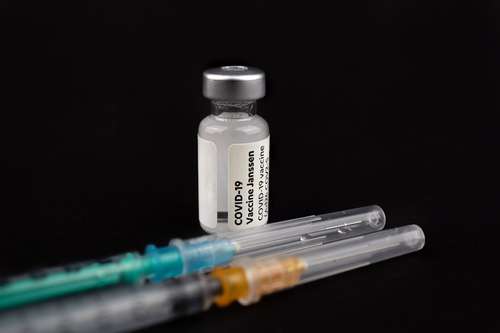
For those who do get vaccinated, the shot itself has been updated. The 2025-2026 formula is a monovalent COVID vaccine designed specifically to target the LP.8.1 strain. This variant, a descendant of the JN.1 lineage, emerged as the dominant form of the virus in late 2025, accounting for over 70% of circulating cases in the United States by the start of the new year.
The LP.8.1 strain booster includes updates to the spike protein sequence—specifically the V445R mutation—that allow the virus to bind more tightly to human lung cells. Because LP.8.1 has drifted significantly from the older XBB and JN.1 targets, the FDA determined that previous vaccine iterations would offer insufficient protection against symptomatic infection. Clinical data submitted by manufacturers like Pfizer and Moderna showed that the new LP.8.1-adapted shots generate a robust neutralizing antibody response against both the target strain and emerging sub-variants like NB.1.8.1.
Who Should Prioritize the 2026 COVID Shot?
While the guidance for younger adults has become flexible, the recommendation remains urgent and clear for specific groups. The CDC vaccine recommendations 2026 explicitly advise that the following populations receive the updated LP.8.1 vaccine immediately if they haven't already:
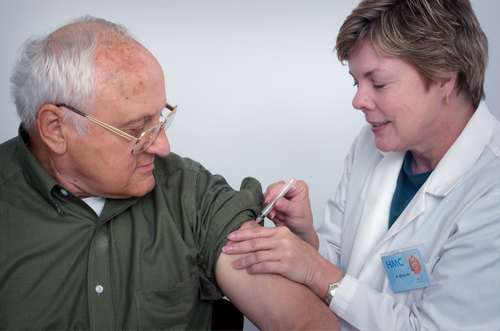
- Seniors over 65: Data continues to show that age is the single biggest risk factor for severe outcomes. The COVID shot for seniors 2026 is considered essential protection against hospitalization.
- Immunocompromised Individuals: Those with weakened immune systems may require additional doses and are strongly encouraged to maintain up-to-date status.
- Residents of Long-Term Care Facilities: Due to the high risk of rapid transmission in congregate settings, vaccination remains a priority.
The Role of JN.1 Lineage Vaccines
The evolution of the virus into the JN.1 lineage—and subsequently to LP.8.1—demonstrates why annual updates are necessary. The FDA's Vaccines and Related Biological Products Advisory Committee (VRBPAC) has indicated that we are likely settling into a permanent annual rhythm, similar to the flu shot. By selecting the JN.1 lineage vaccines early in the year, manufacturers can ensure adequate supply for the fall and winter surges.
Navigating Your Vaccination Decision
If you fall into the "shared clinical decision making" category (healthy, under 65), how should you decide? Experts suggest asking three key questions:
- When was your last infection or vaccine? If it has been more than 12 months, your immunity against infection has likely waned significantly.
- Who do you live with? If you care for elderly parents or vulnerable family members, vaccination can help reduce the risk of bringing the virus home, although it does not eliminate transmission entirely.
- What is your tolerance for downtime? While the risk of severe disease is low for healthy adults, the LP.8.1 variant is known for causing disruptive, high-fever illness that can sideline you for a week. Vaccination may attenuate these acute symptoms.
Looking Ahead: The Future of COVID Prevention
The 2026 strategy represents a "normalization" of COVID-19 management. By treating the virus as a manageable seasonal respiratory pathogen rather than an emergency, federal agencies are hoping to rebuild public trust and focus resources where they save the most lives. Whether you choose to get the LP.8.1 strain booster or not, the era of universal mandates has passed, replaced by a system that respects individual health contexts while protecting the most vulnerable.