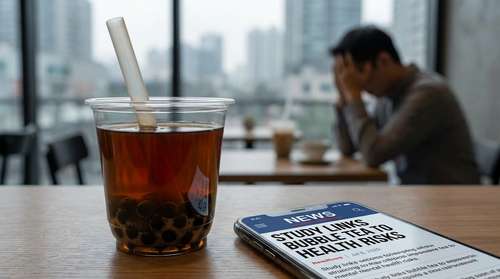
A groundbreaking study released on March 1, 2026, has uncovered a startling correlation between frequent bubble tea consumption and a significant increase in mental health disorders. Researchers warn that the beloved beverage, often viewed as a harmless treat, may be fueling a silent crisis of anxiety and depression symptoms among adolescents and young adults. The findings, published by a coalition of international health experts, suggest that a toxic combination of extreme sugar levels, caffeine addiction, and potential heavy metal contaminants in tapioca pearls could be driving these adverse psychological effects.
The Hidden Cost of the Sugar Rush
For years, health officials have flagged the physical risks of sugary beverages, such as obesity and diabetes. However, this new research is among the first to draw a direct line between the "boba craze" and the deteriorating mental health trends of 2026. The study, which tracked over 5,000 participants aged 15 to 30, found that individuals who consumed bubble tea three or more times a week were 2.5 times more likely to report symptoms of severe anxiety and depression compared to non-drinkers.
"We are seeing a clear pattern where the immediate dopamine spike from the sugar and caffeine is followed by a harsh neurological crash," explains Dr. Elena Rossi, a lead neurobiologist on the project. "This cycle of highs and lows doesn't just affect energy levels; it destabilizes mood regulation, leading to chronic irritability, burnout, and eventually, clinical depression." The study highlights that a single 20-ounce serving of brown sugar milk tea can contain upwards of 50 grams of sugar—double the daily recommended limit—wreaking havoc on the brain's neurochemistry.
Toxic Tapioca: Heavy Metals and Brain Health
Perhaps the most alarming aspect of the report involves the findings regarding tapioca pearl health concerns. Researchers discovered that certain batches of commercially available tapioca pearls, derived from cassava root, contained trace amounts of heavy metals, including lead and cadmium. While these levels are often below the threshold for acute poisoning, chronic exposure through daily consumption creates a cumulative effect that may be neurotoxic.
"Lead exposure, even at low levels, has long been linked to cognitive decline and behavioral issues," notes the report. In the context of bubble tea mental health studies, this heavy metal bioaccumulation is theorized to impair neurotransmitter function, exacerbating feelings of brain fog and emotional instability. The study urges regulatory bodies to implement stricter testing standards for imported tapioca starches to mitigate these hidden risks.
The Addiction Cycle and 'Boba Burnout'
The research also delves into the psychological behavior behind the consumption, identifying a phenomenon termed "Boba Burnout." Young adults often turn to these sugary drinks as a coping mechanism for the high-stress, always-on culture of 2026. However, the relief is fleeting. The study draws parallels between bubble tea addiction and substance dependency, where the user requires increasing amounts to achieve the same comforting effect, eventually leading to withdrawal symptoms like jitters and heightened anxiety when the drink is unavailable.
Is There a Link to Suicide Risk?
In a sobering section of the analysis, researchers investigated the potential connection between bubble tea and suicide risk. While the beverage itself is not a direct cause, the study found that the "addiction-isolation loop"—where individuals self-medicate loneliness with sugary comfort foods—was significantly higher in patients hospitalized for suicidal ideation. "It is a marker of a deeper struggle," Dr. Rossi clarifies. "The reliance on high-sugar, low-nutrient beverages is often a red flag for neglected emotional health."
Nutritional Psychiatry: What You Can Do
Despite the grim statistics, experts emphasize that occasional consumption is not a death sentence. The key lies in moderation and awareness. To protect your mental well-being, nutritionists recommend:
- Limiting Intake: Treat bubble tea as a monthly indulgence rather than a daily staple.
- Adjusting Sweetness: Opt for 0% or 25% sugar levels to minimize the glycemic spike.
- Choosing Alternatives: Switch to herbal jellies or aloe vera instead of tapioca pearls to avoid potential starch-heavy contaminants.
As we navigate the complex landscape of mental health trends in 2026, understanding the nutritional impact on depression is vital. This study serves as a crucial wake-up call: what we drink affects not just our waistlines, but our minds. By making informed choices, we can break the cycle of sugar-induced anxiety and prioritize long-term mental resilience over temporary sweetness.