In a historic pivot that dismantles decades of conventional nutritional dogma, the U.S. government has officially released the 2025-2030 Dietary Guidelines for Americans. Unveiled this week by HHS Secretary Robert F. Kennedy Jr. and USDA Secretary Brooke Rollins, the new standards mark a radical departure from the past, replacing complex calorie counting with a simple, three-word mandate: "Eat real food." This sweeping federal nutrition policy update explicitly targets ultra-processed ingredients while drastically raising protein recommendations, signaling the dawn of the MAHA health initiative era.
The End of the 'Low-Fat' Era: A Return to Whole Foods
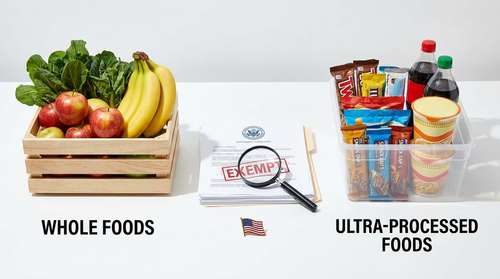
For the first time in history, federal guidance has abandoned the long-standing war on saturated fats, instead prioritizing minimally processed foods and nutrient density. The new guidelines introduce an "inverted pyramid" visual that places red meat, eggs, and full-fat dairy alongside vegetables at the foundation of a healthy diet. This shift directly challenges the whole food nutrition benefits of previous eras that favored low-fat, grain-heavy staples.
"Our message is clear: the era of demonizing natural fats and promoting processed carbohydrates is over," Secretary Kennedy stated during the press briefing. The document, streamlined from over 140 pages to just 10, advises Americans to seek fats from whole sources like butter, tallow, and avocados, moving away from industrial seed oils that have dominated the food supply for fifty years.
New Protein Targets: Doubling Down for Metabolic Health
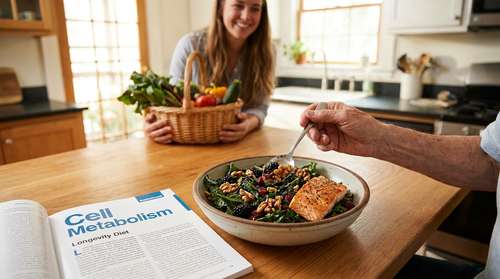
One of the most significant changes is the dramatic revision of daily protein requirements 2026. Shattering the previous minimum of 0.8 grams per kilogram of body weight, the new guidelines recommend a robust target of 1.2 to 1.6 grams per kilogram. This adjustment reflects growing scientific consensus on the critical role of protein in maintaining lean muscle mass, regulating blood sugar, and combating the obesity epidemic.
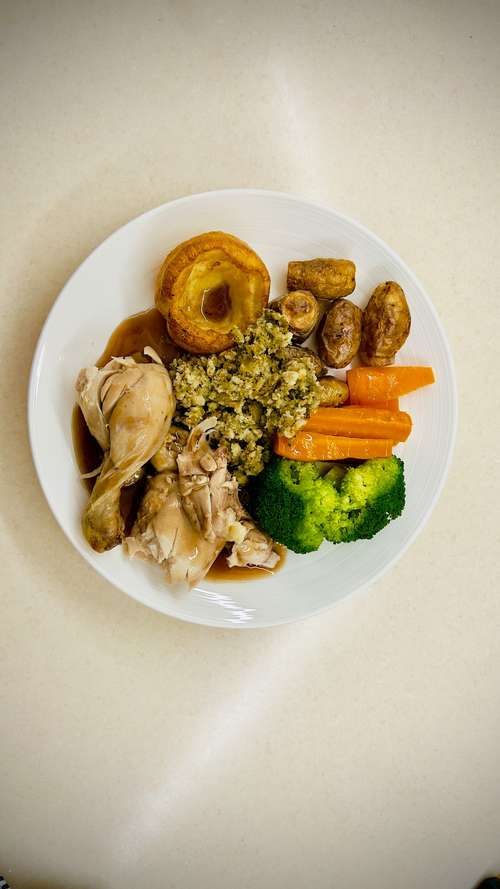
For an average 180-pound adult, this translates to nearly doubling their daily intake, shifting the focus of meal planning toward high-quality sources like beef, poultry, seafood, and legumes. Officials argue that this increase is essential to reverse the metabolic dysfunction plague affecting millions of Americans.
Strict Caps on Sugar and 'Fake' Food
The new policy declares an all-out war on sweetness, implementing the strictest added sugar limits per meal ever proposed. Under the new rules, no single meal should contain more than 10 grams of added sugar—roughly two teaspoons. This is a massive reduction from previous standards that allowed up to 10% of daily calories from sugar. The guidelines explicitly state that "no amount of added sugar is considered part of a healthy diet," particularly for children under ten.
Defining 'Highly Processed'
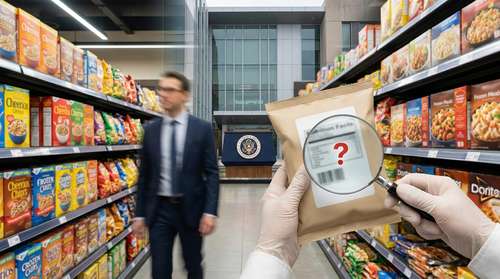
In another first, the guidelines formally categorize "highly processed foods"—including chips, sugary cereals, and ready-to-eat meals containing artificial dyes and preservatives—as products to be avoided entirely rather than moderated. This definition aims to remove these items from federal procurement, effectively banning them from schools and government dining facilities.
MAHA Health Initiative: From Policy to Plate
This overhaul is the cornerstone of the administration's MAHA health initiative (Make America Healthy Again). By aligning federal spending with these new standards, the government aims to force a systemic change in the food industry. Programs like SNAP and the National School Lunch Program will now be required to prioritize funding for whole ingredients over packaged goods. The move is expected to disrupt supply chains significantly, favoring local farmers and ranchers over multinational food conglomerates.
While the transition will likely face resistance from industrial food manufacturers, the administration maintains that a return to ancestral eating patterns is the only viable solution to the nation's chronic disease crisis.