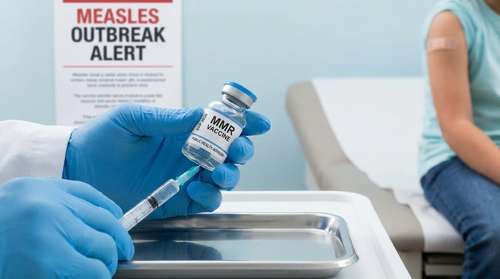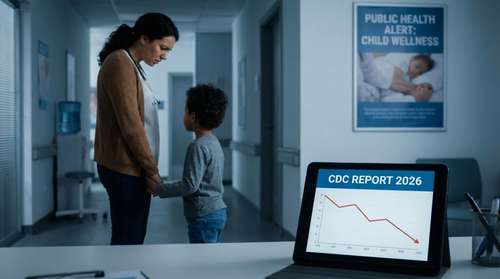
On February 3, 2026, the global health community received a wake-up call that many experts had feared but hoped never to hear. In a coordinated release of data that paints a grim picture for the future of the next generation, both the Bill & Melinda Gates Foundation and the Centers for Disease Control and Prevention (CDC) confirmed that the decades-long trajectory of progress in child survival has officially reversed. The findings highlight a child health crisis in 2026 driven by a "perfect storm" of slashing global aid, a fractured domestic vaccination policy, and a lethal surge in pediatric respiratory viruses.
The Gates Warning: "A Sentence I Hoped I'd Never Have to Write"
The centerpiece of today's news is the release of the Gates Foundation annual letter 2026. For the first time since the turn of the millennium, the foundation reported that global child mortality rates have increased year-over-year. According to the report, 2025 saw approximately 200,000 more deaths among children under five compared to 2024, ending a quarter-century of consistent decline.
"In 2025, for the first time this century, it's almost certain that more children died than the year before," wrote Foundation CEO Mark Suzman. "That's a sentence I hoped I'd never have to write."
The report attributes this alarming shift to a significant retreat in international funding—with foreign aid for health dropping by nearly 25%—and the compounding effects of debt crises in low-income nations. However, the crisis is not confined to the developing world. The letter serves as a grim companion to new domestic data showing that American children are facing their own unprecedented threats, contributing to rising pediatric mortality rates at home.
The American Fracture: CDC vs. AAP
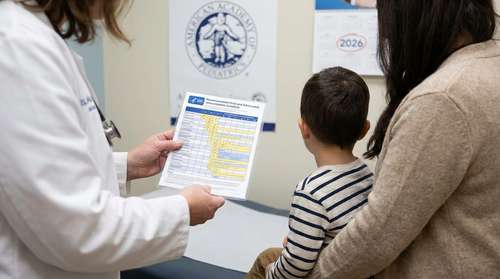
While the global outlook darkens, the situation in the United States has been complicated by a historic schism in public health guidance. Earlier this year, a controversial decision by federal health officials to narrow the recommended childhood immunization schedule has left parents and providers in a state of confusion. The routine vaccination decline has accelerated in the wake of the CDC's January decision to remove universal recommendations for several vaccines, including those for influenza and RSV, diverging sharply from the American Academy of Pediatrics (AAP).
This policy fracture has created a dangerous vacuum. "We are seeing a collapse in confidence," warned Dr. Paul Offit in a recent statement regarding the split. "When federal and professional guidelines disagree, parents hesitate. And in that hesitation, viruses find their opening." The consequences of this hesitation are now playing out in emergency rooms across the country, where a pediatric respiratory virus surge is overwhelming capacity.
Deadly Consequences: The 2026 Flu Season
The theoretical risks of declining vaccination rates have turned into tragic realities this winter. New data released this week confirms that CDC pediatric flu deaths have hit a frightening milestone. As of early February, at least 52 children have died from influenza-associated complications this season, putting 2026 on track to surpass the record-breaking mortality of previous years.
Even more concerning is the correlation between these deaths and vaccination status. The CDC reports that approximately 90% of the children who lost their lives to the flu this season were unvaccinated. This statistic underscores the lethal impact of the current misinformation environment and the reduced emphasis on routine shots. Pediatric hospitalizations for respiratory illnesses have reached a 15-year high, leaving many children's hospitals operating at or above capacity.
The "Tripledemic" Returns
It isn't just influenza. The removal of the RSV vaccine from the universal federal schedule has coincided with a resurgence of severe RSV cases among infants. Doctors are reporting a return of the "tripledemic" threat—Flu, RSV, and COVID-19—battering immune systems that are less protected than at any point in the last decade. Family public health alerts have been issued in 28 states that have chosen to reject the new federal guidelines and stick to the AAP's broader protection schedule, further illustrating the fragmented nature of American healthcare in 2026.
A Call to Reclaim the Future
Despite the harrowing data, the Gates Foundation's letter outlines a path forward, setting a new goal to halve child mortality again by 2045. But this "optimism with footnotes," as Bill Gates described it, requires an immediate course correction. For American families, the takeaway is urgent but clear: the retreat of institutional consensus places the burden of protection squarely on caregivers.
Health experts are urging parents to cut through the noise of conflicting federal advice by consulting directly with their pediatricians. The AAP continues to recommend the full 18-vaccine schedule, emphasizing that despite the policy shifts in Washington, the science of saving children's lives remains unchanged. As 2026 unfolds, the fight to reverse this retreat will likely be the defining public health challenge of the decade.