As spring break approaches, health officials across the Pacific Northwest and Mountain West are sounding the alarm over a rapidly expanding public health crisis. Pediatricians are urging parents to be vigilant for measles symptoms in children after the Centers for Disease Control and Prevention confirmed 1,362 national cases as of mid-March 2026. With the virus now actively circulating in Colorado, Oregon, and Washington, medical experts are issuing severe pediatric health alerts. The resurgence of this highly contagious respiratory virus carries severe risks, particularly a rare, fatal neurological condition that can emerge years after the initial infection.
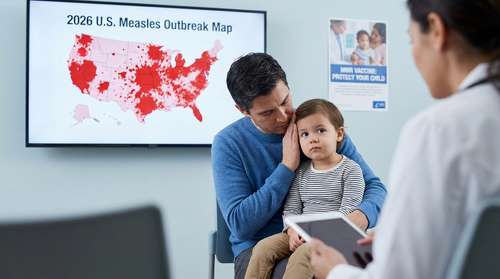
The Escalating 2026 Measles Outbreak Map
The current 2026 measles outbreak map paints a concerning picture of regional transmission. The CDC reports that 94% of this year's confirmed infections are outbreak-associated, highlighting how swiftly the virus capitalizes on pockets of undervaccinated communities. In Washington state, the Department of Health has already confirmed 26 cases across four counties this year—more than double the state's total for all of 2025. The vast majority of these infections involve unvaccinated patients between the ages of 5 and 17.
Local Transmission Tracking
Meanwhile, Colorado health officials are battling a fast-moving outbreak linked to a Broomfield high school. The cluster has resulted in 10 confirmed cases spread across Adams, Arapahoe, Broomfield, and Weld counties. Because infected individuals were active in the community before their rashes appeared, the exposure footprint is massive. Oregon has taken a novel monitoring approach, launching a wastewater dashboard that recently detected low levels of the measles virus in nine different counties, indicating widespread, unrecognized community transmission.
Recognizing Measles Symptoms in Children
Early detection is crucial to containing the spread and protecting vulnerable neighbors. Initial measles symptoms in children typically mirror a severe cold, featuring a high fever that can spike over 104 degrees, a persistent cough, runny nose, and red, watery eyes. These early indicators are often dismissed as routine winter illnesses. However, between three and five days after these initial signs begin, the characteristic flat, red-spotted rash appears. It usually starts at the hairline and spreads downward to the neck, torso, and lower extremities.
Because the virus can linger in the airspace of a room for up to two hours after an infected person has left, the transmission risk in clinical settings is extraordinarily high. Public health agencies are advising parents to contact emergency departments or pediatric urgent care clinics by phone before bringing a symptomatic child into a waiting room. This allows medical staff to prepare isolation protocols and prevent exposing other patients.
The Silent Threat: Measles Complications SSPE
While secondary infections like pneumonia and severe dehydration are immediate concerns, neurologists are urgently warning about measles complications SSPE (subacute sclerosing panencephalitis). This fatal, progressive neurological disorder occurs when the measles virus reactivates in the central nervous system years, or even a decade, after the initial illness. Early signs of SSPE include memory loss, behavioral changes, and involuntary jerking movements, eventually progressing to a vegetative state and death.
Researchers estimate that approximately 1 in 10,000 individuals who contract measles will develop SSPE, but the risk is significantly higher for infants and children who catch the virus before age 5. Currently, there is no cure or effective treatment to reverse SSPE's course. The only guaranteed protection against this devastating delayed complication is preventing the initial measles infection entirely.
Prioritizing Family Travel Safety 2026
With major holidays and school vacations arriving, family travel safety 2026 has become a focal point for epidemiologists. Unvaccinated individuals passing through crowded transit hubs face an exceptionally high risk of exposure. Recent contact tracing in Colorado identified potential exposure sites at Denver International Airport, alongside local churches, middle schools, and restaurants.
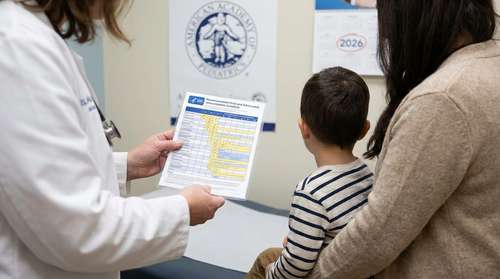
Health authorities emphasize that international and domestic travel plans should prompt a thorough review of family medical records. Families planning spring break trips are advised to consult their pediatricians to ensure all household members have maximum immunity before boarding flights or attending large public gatherings. Even a brief layover in an airport where the virus is circulating can lead to infection for those without immunity.
MMR Vaccine Safety 2026 and School Guidelines
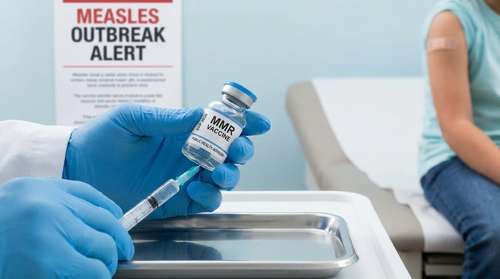
Medical professionals continue to stress that immunization remains the definitive shield against the current outbreaks. Decades of clinical data, alongside recent medical reviews, reinforce MMR vaccine safety 2026. Two doses of the measles, mumps, and rubella vaccine provide 97% protection against the virus. State health departments confirm that there is no link between the vaccine and autism, and the immunization does not contain aluminum or mercury.
To mitigate the ongoing threat, many districts are strictly enforcing vaccination requirements for school attendance. In Colorado, public health interventions have included sending dozens of unvaccinated students and staff home from Broomfield High School for a 21-day quarantine period to sever the chain of transmission. As this year's case count climbs past historical decades' averages, ensuring your family's immunization status is up to date is the single most effective action you can take to protect your children and your community.