As millions of families pack their bags for vacation, a pressing public health crisis is casting a shadow over airport terminals and popular tourist destinations. The measles outbreak 2026 has escalated dramatically, prompting urgent advisories from health departments nationwide. Just days ago, the Centers for Disease Control and Prevention (CDC) released updated figures confirming a staggering 1,362 measles cases across 31 jurisdictions. This sharp increase represents a continuation of the crisis from 2025, which saw a 33-year high in infections.
With highly contagious variants spreading rapidly, medical professionals are elevating pediatric health alerts and urging parents to prioritize family travel safety 2026. The combination of dipping childhood vaccination rates and the bustling nature of spring break travel creates a perfect storm for the virus to multiply.
The Staggering Scope of the Measles Outbreak 2026
The figures released by the CDC on March 12 paint a concerning picture of domestic transmission. Currently, 94% of confirmed infections are associated with ongoing local outbreaks rather than isolated international travel incidents. South Carolina remains the epicenter, reporting 996 cases primarily concentrated in Spartanburg County. Meanwhile, Utah and Florida—the latter being a massive hub for spring break tourism—have recorded 405 and 132 cases, respectively. Texas is also battling a growing outbreak, with at least 93 cases including a cluster at a detention center in El Paso.
Public health experts point to a troubling decline in community immunity as the primary driver. Recent data indicates that national vaccination coverage for kindergarteners has slipped to roughly 91%, falling dangerously below the 95% threshold required to maintain herd immunity. The situation is so severe that the Pan American Health Organization will review the United States' status in November; the country is currently at high risk of losing its measles elimination status, a landmark public health achievement held since the year 2000.
Spring Break Travel Health Warnings: Navigating the Risks
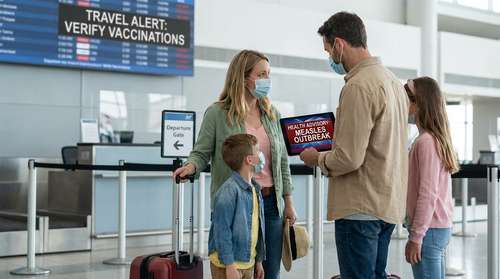
As schools dismiss students for the holiday, spring break travel health warnings are going into overdrive. Health officials stress that international and domestic transit hubs—including major airports in Orlando, Atlanta, and Los Angeles—pose substantial risks for unvaccinated travelers.
"Measles is one of the most contagious viruses known," warns Jason LeMaster, Administrator of the Hamilton County Health Department. "Spring break travel increases the likelihood of exposure, especially in crowded airports and vacation destinations". Dr. Nava Yeganeh of the Los Angeles County Department of Public Health echoes this sentiment, noting the rapid onset of the disease and the danger of passing through high-traffic areas without adequate immune protection.
The virus is airborne and can linger in the airspace of an infected person for up to two hours after they have left the room. This makes crowded departure gates, amusement parks, and hotel lobbies prime environments for rapid transmission. Under existing public health regulations, arriving travelers suspected of carrying the virus are subject to federal isolation orders, and airlines are required to report sick passengers prior to landing.
Spotting Measles Symptoms in Children
Given the speed at which the virus spreads, early detection is a critical component of containment. Parents must be able to recognize measles symptoms in children to prevent further exposure and seek prompt medical care. Because the initial signs closely mimic common winter respiratory bugs, the disease often goes undetected during its most infectious phase.
Early Warning Signs
According to pediatric infectious disease specialists, the illness usually starts with generalized respiratory distress. Key early symptoms include:
- A persistently high, low-grade fever that soon escalates
- A severe, hacking cough and runny nose
- Red, watery, and inflamed eyes
The Characteristic Rash and Complications
Two to three days after the respiratory symptoms begin, the trademark measles rash appears. It typically starts on the head and face before spreading downwards to the rest of the body. By the time the rash is fully visible, children are often feeling profoundly ill. While this year's hospitalization rate currently sits at 5%, the disease can lead to severe complications like ear infections, extreme dehydration, and life-threatening lung infections.
The Frontline Defense: The MMR Vaccine for Kids
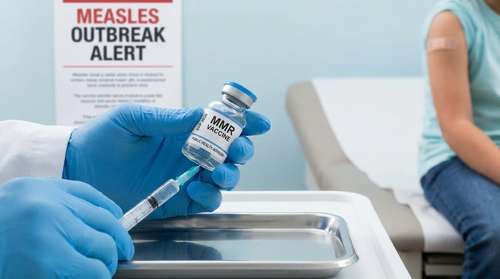
The single most effective strategy to combat this resurgence is the MMR vaccine for kids. Decades of clinical data confirm that the measles, mumps, and rubella vaccine is both exceptionally safe and highly effective. Kent County Health Officer Dr. Adam London notes that a single dose provides up to 93% protection against the measles infection, while the recommended two-dose series elevates that efficacy to 97%.
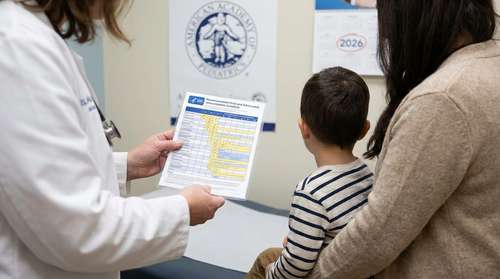
Health departments are currently hosting emergency communication and immunization drives in heavily impacted areas. For families finalizing their vacation itineraries, public health administrators have a clear directive: check your medical records. If your child has missed a scheduled dose, contacting your pediatrician for a catch-up appointment is the best way to ensure your spring break memories aren't sidelined by a preventable illness.
As the 2026 travel season peaks, vigilance and proactive healthcare choices remain our best defense against this historic outbreak. Taking swift action today protects not only your own family but the broader community at large.