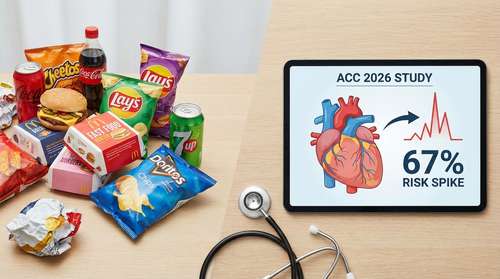
If you grabbed a frozen meal for lunch or snacked on a handful of packaged chips today, a groundbreaking new presentation has a stark warning for your cardiovascular system. Researchers at this weekend's American College of Cardiology Annual Scientific Session (ACC.26) in New Orleans unveiled data demonstrating a massive ultra-processed foods heart risk. According to the clinical findings, heavy consumption of these convenient dietary staples drives up the likelihood of major cardiac events by an astonishing 67%.
The Hidden Danger in the Modern American Diet
We live in an era where convenience frequently dictates our plates. But that convenience carries a lethal, long-term price tag. The newly released ACC 2026 nutrition study tracked 6,814 adults across the United States between the ages of 45 and 84. Crucially, none of the participants had any history of cardiovascular disease when the research began, allowing scientists to observe the direct impact of diet on previously healthy hearts over a 12-year follow-up period.
By utilizing detailed food questionnaires and the NOVA classification system—which categorizes food by its degree of processing—scientists grouped the dietary habits of the cohort. The starkest contrast emerged between the extreme ends of the spectrum. Those eating the least processed foods averaged just 1.1 servings a day. On the other hand, individuals in the highest consumption bracket averaged 9.3 daily servings of items like sweetened cereals, deli meats, hot dogs, and packaged baked goods.
For this high-intake group, the processed food health impact translated into a 67% greater chance of suffering a non-fatal heart attack, experiencing a stroke, or dying from coronary heart disease.
Breaking Down the JACC Advances Nutrition Research
Published simultaneously in the journal JACC Advances, the data provides one of the most comprehensive looks at diet-induced cardiac events within a diverse U.S. population. Prior to this, much of the research on heavily processed diets came from European cohorts. This latest JACC Advances nutrition research definitively shows that the danger isn't isolated to an all-or-nothing threshold, but rather a compounding daily threat.
Heart Attack and Stroke Risks: The Per Serving Penalty
You don't need to eat nine servings of junk food to put your arteries in jeopardy. The research uncovered a graded, dose-dependent relationship between what we eat and our long-term vitality. Every single additional daily serving of ultra-processed food increases the risk of adverse cardiac events by roughly 5%.
Dr. Amier Haidar, a cardiology fellow at the University of Texas Health Science Center at Houston and the study's lead author, noted that the grim statistics held true even after tightly adjusting for total caloric intake and overall diet quality. Whether patients had existing high blood pressure, diabetes, high cholesterol, or obesity, the specific heart attack and stroke risks tied directly to these foods remained stubbornly high.
Ultra-processed items are manufactured with extracted starches, hydrogenated fats, and added sugars, alongside artificial flavors and preservatives meant to extend shelf life. The human body simply struggles to break down these heavily engineered food products. The result is systemic inflammation, weight gain, and an accelerated buildup of plaque in the arteries.
Cardiovascular Disease Prevention: Alarming Racial Disparities
One of the most concerning discoveries from the multi-ethnic cohort involves how this dietary damage disproportionately impacts specific communities. When looking at cardiovascular disease prevention, the data revealed a staggering disparity for Black Americans.
While the non-Black population saw a 3.2% increase in heart risk per serving of ultra-processed food, Black participants faced a 6.1% spike per serving—nearly double the penalty. Medical professionals at the ACC.26 conference stressed that cardiologists and primary care physicians must aggressively address this dietary inequity. The findings signal an urgent need for tailored nutritional counseling and improved access to fresh, whole foods in marginalized communities, where processed items are frequently the most accessible and affordable options.
Shifting to a Healthy Diet for Heart Health
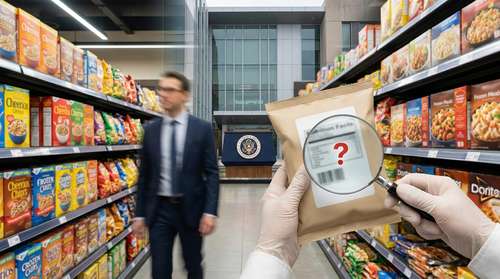
Reversing this deadly trend requires a fundamental shift in how we navigate the grocery store aisles. Rather than relying on shelf-stable convenience foods packed with artificial additives, a truly healthy diet for heart health centers on ingredients in their natural, unaltered state.
"While many of these products may seem like convenient on-the-go meal or snack options, our findings suggest they should be consumed in moderation," Dr. Haidar advised in a public statement.
Dietitians and preventative cardiologists recommend simple, actionable swaps. Trade your afternoon packaged pastry for a handful of raw nuts and an apple. Swap out sugary sodas for sparkling water or unsweetened tea. Instead of building sandwiches with highly processed deli cuts, opt for lean, fresh proteins like roasted chicken or plant-based alternatives like beans and lentils.
The message delivered to the medical community this weekend is unambiguous: we can no longer view ultra-processed snacks as harmless indulgences. Every serving exacts a measurable toll on the cardiovascular system. By consciously reducing our intake of these heavily engineered foods, we possess the immediate power to drastically lower our chances of a catastrophic cardiac event and reclaim our long-term health.