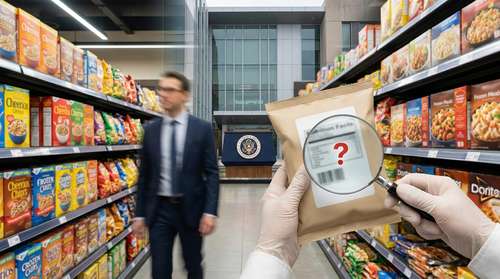
For decades, grocery shoppers have been forced to squint at the back of cereal boxes and snack bags, attempting to decipher complex nutritional math. That era is coming to a definitive end. In the latest nutrition news today, federal health officials are taking unprecedented steps to combat diet-related diseases. At the center of this public health shift is the FDA food label update 2026, an aggressive regulatory overhaul that introduces bold, mandatory front of package nutrition labels. Designed to flag products loaded with sodium, saturated fat, and added sugar, this policy represents the government's most direct strike against the ultra-processed foods dangers that currently dominate the American diet.
The push for transparency comes as staggering new research links industrial food formulations to more than 30 chronic health conditions, including cardiovascular disease, type 2 diabetes, and obesity. Rather than relying on consumers to hunt for hidden data, the updated labeling system places stark warnings right on the principal display panel.
Unpacking the New Front of Package Nutrition Labels
The shift from voluntary corporate labeling to a standardized, mandatory system marks a watershed moment for consumer health. Originally proposed in early 2025, the FDA's regulatory framework has faced rigorous review and refinement throughout the spring of 2026. Following comprehensive public comment periods and independent research—including a pivotal March 2026 study from the University of California, Davis—regulators have zeroed in on highly visible "High-In" design structures.
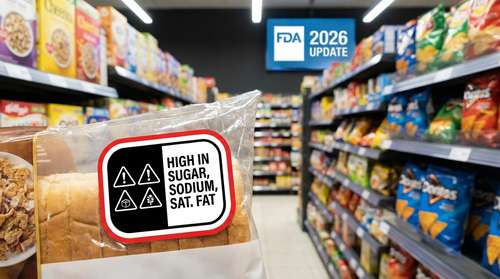
Research demonstrated that simple, interpretive warnings outperformed the agency's initial "Nutrition Info" percentage boxes. For example, utilizing high sugar warning icons on a sweetened yogurt or candy bar proved significantly more effective at altering consumer purchasing habits than a dense chart listing daily value percentages. Under the anticipated final rules, packaged items will carry distinct labels indicating if they are "High in Added Sugars," "High in Sodium," or "High in Saturated Fat". This streamlined approach removes the guesswork from healthy food identification, allowing busy shoppers to make split-second decisions in the grocery aisle.
Aligning with the 2025-2030 Dietary Guidelines
This labeling mandate does not exist in a vacuum. It works in tandem with the newly released 2025-2030 Dietary Guidelines for Americans, published jointly by the USDA and HHS earlier this year. For the first time in history, these federal guidelines explicitly call out the need to severely limit or entirely avoid "highly processed" and ultra-processed foods.
The revised guidelines deliver a clear, uncomplicated message: eat real food. They advocate for a diet anchored in high-quality proteins, healthy fats, and minimally processed ingredients, while establishing strict new limits on sugars and synthetic additives.
- Added Sugar Limits: The guidelines advise that no single meal should contain more than 10 grams of added sugar, and recommend zero added sugars for children under 10.
- Protein Prioritization: Daily protein recommendations have increased significantly to preserve muscle mass and metabolic health.
- Chemical Additives: The new framework cautions against consuming products containing artificial flavors, petroleum-based dyes, and non-nutritive sweeteners.
The Battle Against Ultra-Processed Foods Dangers
The integration of explicit warning labels represents a broader federal awakening to ultra-processed foods dangers. The FDA's Human Foods Program has made defining and regulating these industrial formulations a top priority for its 2026 deliverables. Food processing is a spectrum, but UPFs are typically characterized by heavy extraction, synthetic emulsifiers, stabilizers, and hyper-palatable flavorings that bypass the body's natural satiety signals.
Lawmakers are heavily backing the agency's crackdown. Recent legislative proposals, such as the Childhood Diabetes Reduction Act, advocate for expanding research into the health effects of UPFs and mandating even stricter front-of-pack warnings on products heavily marketed to children. Furthermore, state-level initiatives, like California's proposed non-UPF certification seal, are creating a dual pressure system that is forcing food manufacturers to reformulate their product lines entirely.
What This Means for Shoppers
As the FDA food label update 2026 moves toward full implementation across retail shelves, the landscape of the American supermarket will change dramatically. The days of "health-washing"—where brands slap misleading "natural" claims on highly processed, sugar-laden snacks—are numbered.
When you walk into a grocery store, the "High-In" indicators will act as an immediate filter. You will no longer need a degree in nutrition to understand whether a so-called "healthy" granola bar is actually functioning as a dessert. By stripping away the marketing jargon and putting raw, unfiltered nutritional truths front and center, the FDA is finally handing power back to the consumer. The goal isn't just to punish junk food brands; it is to fundamentally reshape the American diet and halt the generational crisis of diet-related chronic disease.