For decades, the "midlife crisis" was the punchline of sitcom jokes—a time for red sports cars and impulsive career changes. But in 2026, the reality for middle-aged Americans is far grimmer. A groundbreaking new study analyzing data from 17 countries has exposed a startling divergence: while midlife health is stabilizing or improving in other wealthy nations, the United States is in the midst of a severe middle age health crisis 2026. Researchers describe a generation of parents and workers who are lonelier, more depressed, and physically frailer than their peers abroad, driven to the brink by a unique storm of structural failures and relentless pressure.
The American Disadvantage: A Global Outlier
The study, led by psychologist Frank Infurna of Arizona State University and published in Current Directions in Psychological Science, paints a stark picture of American decline. By harmonizing data from over a dozen nations, including the U.K., Germany, South Korea, and Mexico, researchers found that the U.S. stands alone in its downward trajectory.
Americans born in the 1960s and 1970s—Gen Xers and older Millennials—are reporting significantly higher rates of loneliness in middle age and depression compared to previous generations. Even more alarming, they exhibit sharper declines in memory and physical strength. In stark contrast, peers in Nordic European countries are seeing improvements in these same metrics. The data suggests that this isn't a biological inevitability of aging, but a specifically American phenomenon rooted in societal neglect.
The Sandwich Generation Under Siege
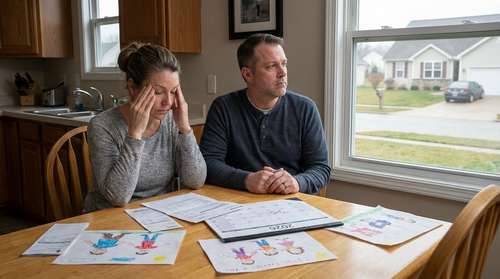
At the heart of this crisis is the relentless squeeze on the "sandwich generation." Unlike their European counterparts, American parents are navigating parental burnout trends that have reached record highs this year. Caught between raising children in an era of skyrocketing tuition and caring for aging parents with exorbitant healthcare needs, these adults are drowning in responsibility without a life raft.
The research highlights that American family stress is exacerbated by a lack of time and resources. While other nations have expanded their social safety nets over the last two decades, the U.S. has seen stagnation. The result is a cohort of middle-aged adults who are working harder but falling further behind, sacrificing their own mental and physical well-being to keep their families afloat.
Structural Failures: A Safety Net in Tatters
Why is the gap widening so drastically in 2026? The study points a finger directly at policy. Since the early 2000s, public spending on family benefits—such as paid parental leave, subsidized childcare, and direct cash transfers—has risen across Europe but remained flat in the United States. This lack of caregiving support USA families desperately need has turned midlife into a pressure cooker.
Furthermore, the protective power of education is eroding. Historically, a college degree was a shield against midlife health decline. However, the new data reveals that even highly educated Americans are now vulnerable to the same rates of memory decline and loneliness as those with less education. The constant financial anxiety and work-life friction appear to be overriding the traditional benefits of higher socioeconomic status.
The Loneliness Epidemic
Compounding the economic stress is a profound sense of isolation. Mental health for families is deteriorating as community ties fray. Americans move more frequently for work, often living far from extended family support networks that are common in other cultures. Without the village that previous generations relied on, middle-aged Americans are facing their hardest years in solitude, leading to a spike in "despair deaths" and chronic health issues.
Turning the Tide
The findings from 2026 serve as a wake-up call. The American midlife crisis is not a personal failure of resilience; it is a structural failure of support. Reversing these trends requires more than mindfulness apps or self-care routines; it demands a fundamental rethinking of how we value caregiving and community.
Experts suggest that adopting policies similar to those in peer nations—universal paid leave, accessible healthcare, and affordable childcare—could stem the tide. Until then, acknowledging that this burnout is a systemic issue, rather than a personal flaw, is the first step toward healing a generation at its breaking point.