The U.S. government has officially launched a "Protein Revolution" with the unveiling of the 2026 FDA Food Pyramid and the 2025-2030 Dietary Guidelines for Americans. Released on January 7, 2026, these radical new standards mark a historic pivot from decades of previous advice. By prioritizing high-quality animal proteins and reinstating a visual Food Pyramid, federal health officials are signaling a massive shift in how Americans should approach their plates. The new guidelines explicitly recommend increasing daily protein intake to as high as 1.6 grams per kilogram of body weight, a move that experts say could fundamentally reshape the nation's health.
A Historic Shift: High Protein Diet Recommendations 2026
For years, the standard advice for protein intake hovered around a modest 0.8 grams per kilogram of body weight. The new dietary guidelines for Americans shatter this ceiling, recommending a robust 1.2 to 1.6 grams per kilogram. For a 180-pound adult, this translates to roughly 100 to 130 grams of protein daily—effectively doubling previous minimums.
Health and Human Services (HHS) Secretary Robert F. Kennedy Jr., alongside FDA Commissioner Dr. Marty Makary, emphasized that this increase is designed to combat sarcopenia (muscle loss) and metabolic dysfunction. The guidelines argue that the old "minimums" were merely survival standards, whereas the new high protein diet recommendations 2026 are aimed at thriving, supporting muscle maintenance, and stabilizing blood sugar levels.
The Return of Whole Fats: Benefits of Beef Tallow and Butter
Perhaps the most controversial and widely discussed change is the softened stance on saturated fats. In a stark departure from the "low-fat" era of the 1990s, the updated guidelines openly acknowledge the benefits of beef tallow and butter as stable, natural cooking fats. The new text suggests that natural animal fats can be part of a healthy diet when used to cook whole foods.
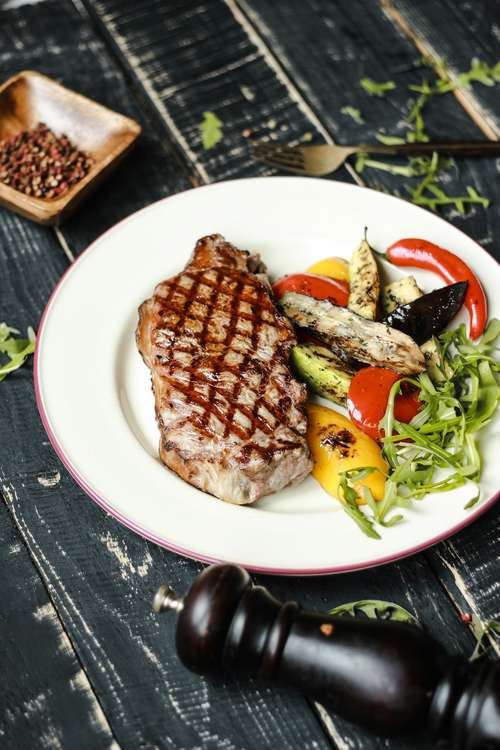
This aligns with the administration's "Eat Real Food" mantra. While the guidelines still retain a technical cap on saturated fat at 10% of daily calories, the rhetoric has shifted significantly. Officials explicitly positioned these natural fats as superior alternatives to industrial seed oils found in processed foods. The message is clear: a home-cooked steak seared in butter is now considered nutritionally superior to a processed meal labeled "low fat."
Make America Healthy Again Nutrition Standards
This overhaul is the cornerstone of the Make America Healthy Again nutrition agenda. The movement seeks to address the chronic disease epidemic by focusing on nutrient density rather than just calorie counting. By promoting whole eggs, full-fat dairy, and red meat, the guidelines aim to reverse metabolic diseases that have surged alongside the consumption of processed substitutes.
War on Sweeteners: Added Sugar Limits Per Meal
While protein and fats get a boost, sugar is facing its strictest regulation yet. The new guidelines introduce aggressive added sugar limits per meal, capping intake at just 10 grams—roughly two teaspoons—per sitting. Previously, limits were set as a daily percentage, which often allowed consumers to "save up" for a sugary dessert. The new per-meal approach is designed to prevent insulin spikes throughout the day.
This zero-tolerance approach extends to children, with recommendations urging no added sugar at all for younger demographics. The guidelines explicitly state that "no amount" of added sugar is beneficial, classifying it as a non-nutritive additive that displaces essential nutrients. This policy is expected to force a major reformulation of breakfast cereals, yogurts, and snack bars that have long relied on high sugar content to drive palatability.
Cracking Down on Junk: Ultra-Processed Food Warnings 2026
The 2026 update includes the federal government's first explicit ultra-processed food warnings 2026. The guidelines create a clear distinction between "processed" foods (like cheese or canned fish) and "highly processed" or ultra-processed products (like chips, candy, and ready-to-eat meals). The latter are now stamped with warnings linking them to obesity, diabetes, and inflammation.
This definition is critical for consumers navigating the grocery store. The advice urges shoppers to avoid foods with long lists of chemical ingredients, artificial colorings, and preservatives. By categorizing these items effectively as "non-food," the FDA and USDA are encouraging a return to single-ingredient groceries—meats, vegetables, fruits, and grains that look like they did when they were harvested.
What This Means for Your Grocery List
Adapting to the 2026 FDA Food Pyramid means rethinking the center of your plate. The focus has moved away from a grain-heavy base to a protein-centric foundation. Breakfast might shift from cereal and skim milk to three eggs cooked in butter. Lunch could be a large salad with steak and olive oil rather than a sandwich with processed deli meat.
Critics argue that the 1.6g/kg protein target may be expensive for some families to hit, but proponents suggest that cutting out costly junk food and sugary beverages will balance the budget. Ultimately, these guidelines represent a massive experiment in public health, betting that a return to ancestral eating patterns—meat, fat, and whole plants—is the key to solving modern health crises.