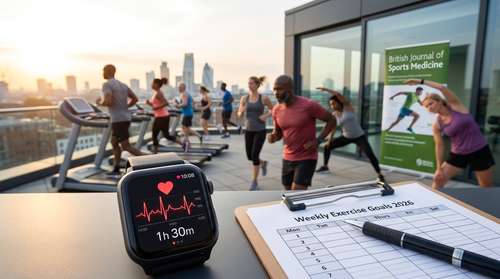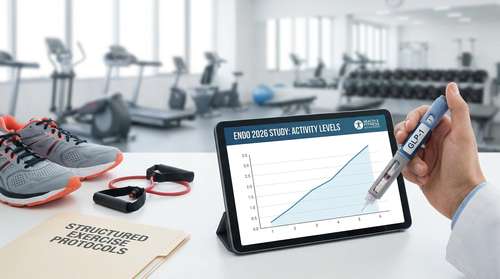
The medical community has long heralded the arrival of revolutionary obesity treatments, but a startling new reality is emerging from the latest clinical data. According to groundbreaking research presented at the Endocrine Society ENDO 2026 annual meeting, patients using widely popular medications like Ozempic and Wegovy are experiencing a significant, unintended side effect: they are moving far less. This phenomenon, now dubbed the 'Ozempic workout paradox,' highlights a critical gap in modern obesity care. While the numbers on the scale drop at unprecedented rates, daily step counts are plummeting right alongside them, raising urgent questions about long-term metabolic health and the absolute necessity of integrating structured GLP-1 weight loss exercise protocols into standard patient care.
The Surprising Findings from the Latest Ozempic Fitness Study
The pervasive assumption that shedding excess pounds naturally translates to a more active lifestyle has been fundamentally challenged by new empirical evidence. A real-world study showcased at ENDO 2026 tracked the physical activity patterns of over 700 adults with obesity who had recently initiated GLP-1 therapy. By analyzing Fitbit data intrinsically linked with electronic health records, researchers measured objective movement metrics before and after the participants began treatment. The results were sobering: both daily step counts and the duration of moderate-to-vigorous physical activity decreased noticeably after the injections started, with the greatest declines observed in male patients and those with pre-existing musculoskeletal pain.
Lead study author Dr. Sajana Maharjan emphasized that these findings run counter to public expectations. 'While many assume that weight loss leads naturally to increased physical activity, our study suggests otherwise,' she noted, reinforcing that interventions to encourage movement are critical. The decline in obesity medication physical activity stems from a complex mix of physiological and psychological barriers. The side effects of GLP-1 therapy, including fatigue and occasional nausea, can make the prospect of a workout feel completely overwhelming. Furthermore, because the drugs are so remarkably efficient at driving weight loss, some users develop a false sense of security, assuming the medication is 'doing all the work' and rendering physical exertion unnecessary.
Combating the Hidden Threat of Wegovy Muscle Loss
This reduction in movement is particularly alarming given the biological reality of chemically induced weight loss. When patients lose 15 to 20 percent of their total body mass on incretin mimetics, they are not strictly burning adipose tissue. A substantial portion of that lost weight comes directly from lean muscle mass and bone density.
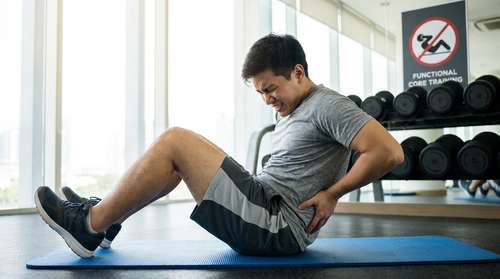
If patients are simultaneously eating less and moving less, the rate of muscle breakdown accelerates rapidly. This deterioration severely compromises the resting metabolic rate, making long-term weight maintenance incredibly difficult once the medication is stopped or plateaued. Medical professionals warn that surviving the obesity epidemic only to face widespread sarcopenia—an age-related loss of skeletal muscle mass and function—is an unacceptable trade-off. To combat Wegovy muscle loss, strength and resistance training must become non-negotiable. Loading the muscles through resistance exercises signals the central nervous system to retain lean tissue, ensuring that the weight lost is predominantly fat.
Global Coalitions Demand Structured Exercise for Weight Loss Drugs
The mounting clinical evidence has triggered a massive, unified response from the international fitness and healthcare sectors. A formidable five-nation coalition—spearheaded by the Health and Fitness Association GLP-1 advocacy team, alongside UK Active, AUSactive, and the Fitness Industry Council of Canada—has launched an aggressive campaign to formally alter how these medications are prescribed. Their central demand is that physical activity can no longer be treated as an optional lifestyle suggestion.
This global push is heavily supported by a newly released health-economic white paper developed by FTI Consulting's Center for Healthcare Economics and Policy. The comprehensive analysis evaluated the impacts of standalone medication versus a combined approach. The findings confirm that pairing structured exercise weight loss drugs dramatically reduces muscle wasting, maintains essential mobility, and significantly curtails long-term weight regain. The financial implications are equally staggering: over a 10-year horizon, adding structured exercise to treatment pathways is projected to generate billions in economic value across the US and UK by mitigating the risk of future costly health events. Consequently, the industry is urging healthcare providers to establish formal, subsidized referral pathways directly linking clinical environments to qualified fitness facilities.
Redefining the Standard Clinical Care Pathway
For both patients and medical providers, the narrative surrounding anti-obesity medications must rapidly evolve. Relying exclusively on a weekly injection ignores the foundational pillars of human physiology. Physicians are increasingly being pressured to write prescriptions for structured movement with the exact same urgency and specificity they use for pharmaceutical interventions.
Actionable Steps for Patients on GLP-1 Therapy
- Prioritize Protein Intake: Ensure your nutritional plan vigorously supports muscle repair.
- Embrace Resistance Training: Commit to lifting weights or performing bodyweight exercises at least two to three times a week.
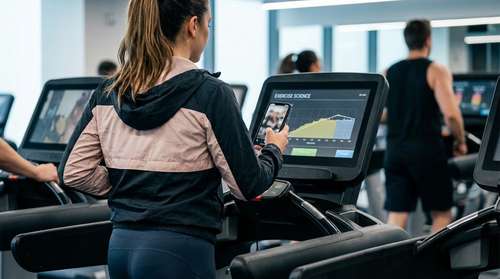
- Track Your Steps: Counteract the subconscious drop in activity by setting a baseline daily step goal and strictly adhering to it.
- Consult Professionals: Utilize exercise physiologists and registered trainers who understand the unique fatigue patterns associated with these medications.
Ultimately, successful obesity management demands a comprehensive, hybrid approach. Medications are highly effective tools that clear the biological roadblocks preventing fat loss, but they cannot build a resilient, capable body on their own. By making strength training and aerobic conditioning standard elements of the medical care pathway, the global health community can ensure that patients are not merely becoming smaller, but genuinely and sustainably healthier.