For decades, the narrative surrounding getting older was written as a tragedy of inevitable deterioration. But early March has ushered in one of the most significant healthy aging breakthroughs 2026 has seen so far. A groundbreaking longitudinal study tracking over 100,000 U.S. adults has completely flipped the medical script, suggesting we are entering the "Incline" era. Instead of a steady, inescapable downward trajectory, researchers found that nearly 45% of participants actually enhanced their physical and mental metrics as the years passed.
This massive, decade-long dataset shatters long-held assumptions about the human body's capacity for regeneration late in life. The data proves that stable or even improving health trajectories are far more common than the medical community previously estimated. Rather than simply managing an expected deterioration, patients and physicians are now looking at aging as a dynamic, highly modifiable process.
The Groundbreaking 2026 Data: Aging Myths Debunked
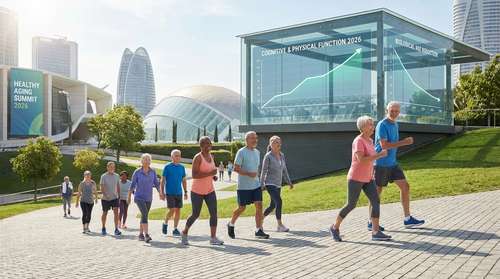
When geriatricians analyze patient vitality, they often look at specific functional markers rather than general subjective complaints. Walking speed, for instance, is frequently described as the ultimate "vital sign" of aging due to its incredibly strong links to overall disability, hospitalization risk, and central nervous system health. The new March 2026 data revealed that a substantial portion of the population is actively improving walking speed in elderly years, successfully defying biological expectations and demonstrating remarkable neuromuscular resilience.
Along with these mobility gains, the massive study provides concrete statistical evidence that we can actively reverse cognitive decline in seniors. Roughly 32% of the participants demonstrated measurable cognitive improvements, while 28% showcased enhanced physical performance over the tracking period. These aren't just marginal, unnoticeable bumps; researchers noted that many of these older adults experienced gains far exceeding standard clinical thresholds for meaningful improvement. The traditional, pessimistic narrative of getting older is being systematically dismantled, leaving old aging myths debunked in its wake.
The Dual Pillars of the "Incline": Mindset and Metabolism
Why do some adults experience an "incline" while others face the expected decline? The longitudinal data isolates two primary, controllable drivers behind these remarkable healthspans: consistent metabolic management and the immense power of individual perception.
The Role of Positive Aging Psychology
A major component of this medical breakthrough involves how we view ourselves and our place in society. Researchers identified positive aging psychology as a crucial, quantifiable differentiator in health outcomes. Individuals who maintained positive, growth-oriented self-perceptions about getting older were significantly more likely to demonstrate functional and cognitive recovery.
This mindset appears to create a protective biological buffer against stress, dramatically lowering the systemic cortisol and inflammation that typically accelerate cellular aging. The findings open the door to behavioral interventions, proving that eradicating internalized ageism and changing your mindset can literally alter your biological trajectory.
Metabolic Management and Neuroplasticity
Beyond mindset, cellular and metabolic health remains non-negotiable. Modern geriatric health trends increasingly focus on cellular energy rather than just symptom management. When metabolic factors—such as insulin sensitivity, cardiovascular output, and gut microbiome balance—are effectively managed, the human brain retains a surprising degree of its youthful plasticity.
Parallel clinical studies in early 2026 have highlighted that restoring cellular energy balances (like maintaining healthy NAD+ levels) allows damaged neural networks to repair themselves and reverse disease characteristics. This cellular resilience is the physical foundation that allows seniors to not only maintain but successfully rebuild their cognitive reserves and complex motor functions well into their eighties and nineties.
Longevity and Biological Age: A New Standard of Care
The global medical conversation is officially shifting from chronological lifespan to healthspan. What the "Incline" era perfectly demonstrates is the widening gap between the number of birthdays you've celebrated and the actual, functional state of your cells. The precise intersection of longevity and biological age is now the absolute focal point of preventative medicine.
Leading doctors are increasingly utilizing biological age tracking—through epigenetic testing, inflammatory markers, and functional tests like gait speed—to tailor highly personalized health regimens. Because aging is no longer viewed as a passive, degenerative slide, healthcare providers can treat it proactively. By routinely tracking these biological age markers, practitioners can deploy lifestyle and medical interventions early, ensuring patients remain on an upward, thriving trajectory rather than waiting for a crisis to occur.
Practical Steps for Entering Your Personal "Incline" Era
The most encouraging and actionable takeaway from the comprehensive 2026 data is that a vast "reserve capacity" exists in later life. Crucially, these improvements were not limited to individuals who were simply bouncing back from severe illnesses; even those with baseline normal function saw dramatic enhancements in their daily capabilities.
To harness these recent breakthroughs, adults can focus on several evidence-based strategies to trigger their own incline:
- Prioritize resistance and mobility training: Consistent, targeted physical activity directly translates to maintaining neuromuscular efficiency, which fortifies the brain-body connection and preserves gait speed.
- Optimize your metabolic baseline: Nutrition plans that carefully regulate blood sugar and reduce systemic inflammation are absolutely critical for providing the brain with clean, consistent energy.
- Reframe the aging narrative: Cultivate a conscious mindset that views later life as a period of continued growth and mastery rather than inevitable loss.
- Engage in complex cognitive challenges: Moving beyond basic repetitive puzzles to learning entirely new, frustrating skills stimulates the neuroplasticity required to build cognitive reserve.
The massive data from 2026 proves once and for all that our later years do not have to be defined by a loss of capability. Armed with proactive metabolic strategies and a constructive, forward-looking mindset, millions of older adults are proving that growing older can simply mean growing better.