In what is being called the most significant shift in federal nutrition policy in decades, the conversation around the 2026 US dietary guidelines has reached a fever pitch this week. Following the radical updates released earlier this year, a new medical analysis published yesterday has reignited the debate over the government's urge for Americans to nearly double their daily protein intake. The USDA nutrition update 2026 marks a decisive departure from 60 years of conventional wisdom, pivoting toward a "real food" approach that prioritizes protein density over calorie counting.
The New Standard: Doubling Down on Protein
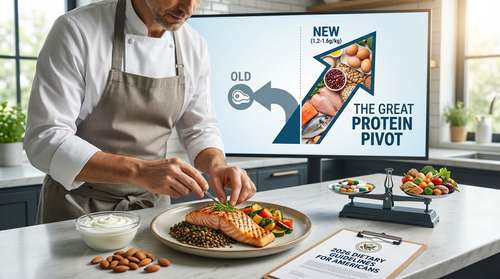
The core of the new daily protein recommendations is a dramatic increase in the Recommended Dietary Allowance (RDA). For over half a century, the standard stood at 0.8 grams of protein per kilogram of body weight—a level officials now describe as merely the minimum to "prevent starvation." The new guidelines, which officially took effect in January but are currently entering their implementation phase across federal programs, raise this target to between 1.2 and 1.6 grams per kilogram.
For an average 180-pound adult, this shifts the daily target from roughly 65 grams to nearly 130 grams. FDA Commissioner Dr. Marty Makary has been a vocal proponent of this change, arguing that the previous low-protein standard contributed to a crisis of metabolic frailty and muscle wasting in the aging population. "We are moving from a survival standard to a thriving standard," Makary noted in a recent briefing, emphasizing that the new "inverted food pyramid" places high-quality protein and healthy fats at the foundation of the American diet.
Medical Experts Weigh In on Heart Health
As the real food nutrition reset begins to influence school lunches and military rations, the medical community is scrutinizing the long-term implications. A comprehensive analysis released yesterday, February 24, by leading cardiologists highlights both the potential high protein diet benefits and the risks of misinterpretation. While acknowledging the need for better metabolic health, the report cautions that the blanket recommendation does not sufficiently distinguish between lean proteins and those high in saturated fats.
"The pivot is scientifically bold, but the execution requires nuance," the analysis suggests. Experts warn that while increasing protein is vital for muscle synthesis and satiety, Americans must be careful not to simply add more processed meats to their diet. The guidelines explicitly encourage "nutrient-dense" sources—including eggs, poultry, seafood, and red meat—but the definition of "healthy fats" remains a contentious point between traditional dietitians and the new administration's advisors.
Implementation Challenges in Schools
The practical rollout of these guidelines is already facing hurdles, particularly in the National School Lunch Program. Schools are now tasked with reformatting menus to meet the new protein vs supplements movement ethos, which favors whole foods over fortified products. Reports from earlier this week indicate that school nutrition directors are struggling to balance the increased protein mandates with tight budgets, as high-quality animal proteins are significantly more expensive than the grain-heavy options favored in the past.
A Return to "Real Food"?
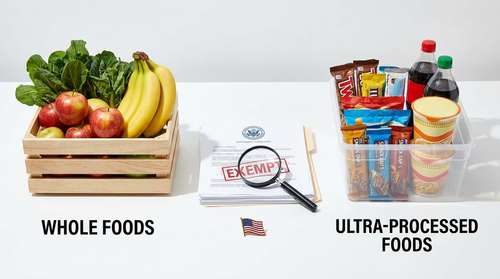
Proponents of the USDA nutrition update 2026 argue that this pivot is long overdue. By demonizing sugar and processed carbohydrates while embracing protein and natural fats, the guidelines aim to reverse the trends of obesity and diabetes. The new framework explicitly advises against "ultra-processed" foods, a category that now includes many protein bars and shakes that use isolated ingredients rather than whole food sources.
This "Great Protein Pivot" represents more than just a numbers game; it is a philosophical overhaul of how the government defines a healthy life. As agencies rush to update their educational materials this week, the message to consumers is clear: the era of low-fat, low-protein dieting is officially over, replaced by a mandate to feed the body the building blocks it needs to build strength and resilience.
What This Means for You
For the average American, adopting these 2026 US dietary guidelines means rethinking the dinner plate. Instead of pasta or rice taking center stage, the new guidance suggests anchoring meals around a substantial portion of protein—roughly 30-40 grams per meal—paired with vegetables and healthy fats. Whether this radical shift will lead to the promised health outcomes remains the central question of 2026, but one thing is certain: the government's war on protein has officially ended.