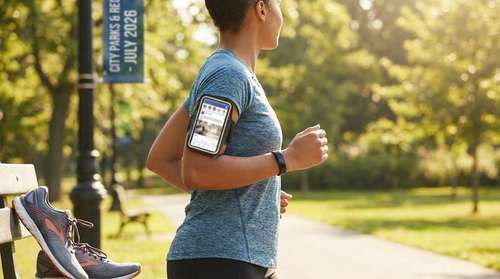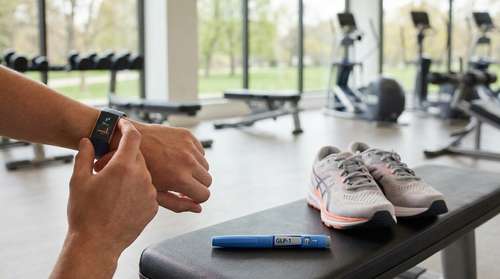
If you're still obsessing over closing your rings or hitting 10,000 steps, you're officially living in the past. As of January 2026, the fitness industry has pivoted hard. The new metric of success isn't how much you moved today—it's how much time you've added to your life. The debut of the NuraLogix Longevity Mirror at CES 2026 last week has effectively signaled the end of the activity-tracking era and the dawn of the Longevity Mirror 2026 revolution.
The New Gold Standard: AI Biofeedback
For over a decade, we've been strapped to wrist wearables that nag us to stand up. But let's be honest: knowing you walked 3 miles doesn't tell you if you're actually healthier internally. Enter AI fitness tracking 2.0. The buzz on the Las Vegas strip this month wasn't about smarter watches; it was about devices that look inside you. The industry is moving en masse toward "longevity tracking"—analyzing biological age, metabolic resilience, and cardiovascular risk in real-time.
This shift is driven by a fundamental realization: you can run a marathon and still have poor metabolic health. The future of fitness wearables isn't wearable at all—it's ambient, contactless, and deeply predictive. "People often think about longevity as something driven by genetics or fate," said Marzio Pozzuoli, CEO of NuraLogix, during the mirror's unveiling. "In reality, everyday decisions shape how well we age."
Inside the NuraLogix AI Mirror
The star of CES 2026 health tech is undoubtedly the NuraLogix Longevity Mirror. At a glance, it looks like a sleek, 21.5-inch vanity mirror with LED strip lights, retailing for $899. But behind the glass lies a sensor suite that makes your old smartwatch look like a toy. Using patented Transdermal Optical Imaging (TOI), the mirror performs a 30-second scan of your face.
It sounds like science fiction, but the tech is grounded in hemodynamics. The sensor detects translucent facial skin to track blood-flow patterns invisible to the naked human eye. Deep learning algorithms then analyze this data to calculate over 100 health parameters. We aren't just talking heart rate here; the NuraLogix AI mirror assesses blood pressure, stroke risk, and even your biological age monitor score versus your chronological age.
Metabolic Health Biofeedback in Seconds
What sets this generation of tech apart is the focus on metabolic health biofeedback. The Longevity Mirror generates a "Longevity Index" score from 0 to 100. If your score drops, the integrated AI Health Assistant doesn't just tell you to "move more." It offers specific, granular advice based on your current physiological state—perhaps suggesting a specific breathing exercise to lower acute stress or a dietary tweak to manage a spike in predicted metabolic risk.
Why 'Health Entropy' Is the New Keyword
The move away from step counts aligns with a broader medical trend gaining traction this year: managing "health entropy." Recent research presented alongside these devices suggests that tracking the rate of aging is far more valuable than tracking calorie burn. The Longevity Mirror 2026 ecosystem is built on this premise. It treats health as a trajectory, not a daily scoreboard.
By monitoring micro-changes in facial blood flow, these devices can reportedly predict health risks up to 20 years in the future. This transforms the bathroom mirror from a place of vanity into a command center for preventative health. It answers the question, "Is my lifestyle actually adding years to my life?" with a terrifyingly accurate "Yes" or "No."
The Cost of Immortality?
Of course, this leap in technology comes with a price tag. Beyond the $899 hardware cost, NuraLogix requires a subscription (around $100 annually) to process your data through their DeepAffex cloud. Critics argue this creates a two-tiered health system where only the wealthy can access this level of AI fitness tracking.
However, the convenience factor is undeniable. There are no straps, no charging cables, and no friction. You simply brush your teeth, look in the mirror, and get a medical-grade checkup. As we settle into 2026, one thing is clear: the step count is dead. Long live the Longevity Score.