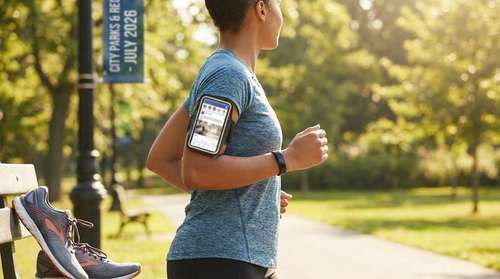
In a dramatic shift that signals the end of the "10,000 steps" era, new global search data released this week confirms that a specific, science-backed interval technique has taken the fitness world by storm. Search interest for "Japanese walking" has exploded by nearly 3,000% compared to last year, officially cementing it as the defining fitness trend of 2026. This surge isn't just viral hype; it represents a fundamental change in how we approach low-impact cardio, moving away from arbitrary distance goals toward a method that prioritizes intensity and timing.
The Method: What Is the Japanese Interval Walking Method?
Unlike the passive goal of accumulating steps throughout the day, the Japanese walking protocol is a structured, intentional workout. Often referred to as "interval walking training" (IWT), the method is deceptively simple but physiologically potent. It requires just 30 minutes and follows a strict rhythm: three minutes of fast-paced, high-intensity walking followed by three minutes of a slow, recovery pace.
The intensity matters. During the fast intervals, practitioners aim for about 70% of their maximum effort—a pace where conversation becomes difficult. This is followed by a complete gear shift to a leisurely stroll (about 40% effort) for the recovery phase. Repeating this cycle five times creates a 30-minute workout that triggers physiological adaptations regular walking simply cannot match.
The Science: Shinshu University Walking Study
While the trend is hitting its peak in 2026, the science dates back over two decades. The protocol was developed by Dr. Hiroshi Nose and his team at the Shinshu University walking study. Their research was born from a surprising finding: many people who religiously walked 10,000 steps a day weren't actually seeing significant improvements in their blood pressure or aerobic capacity.
Dr. Nose's team discovered that by introducing intervals, walkers could unlock benefits typically reserved for runners or high-impact athletes. Their pivotal studies revealed that older adults who adopted the interval walking method improved their aerobic fitness (VO2 peak) by up to 20% and boosted thigh muscle strength by 13% in just five months. In contrast, those who stuck to steady-state walking saw minimal gains in these areas.
Why Intensity Trumps Distance
The magic lies in the "fast" interval. By briefly pushing the heart rate up, the body is forced to adapt, strengthening the cardiovascular system. Simultaneously, the rapid pace engages fast-twitch muscle fibers in the legs—something a casual stroll never does. This dual action is why experts are calling it the ultimate low-impact cardio solution for longevity.
Why It’s Dominating 2026 Fitness Trends
The massive spike in interest this week aligns with a broader cultural shift identified in recent fitness reports. The 2026 fitness trends are defined by a desire for "movement quality" over punishment. People are burned out on complex gym routines and expensive equipment. They want effective, accessible health solutions.
Social media platforms have fueled this fire, with users sharing their "3-minute switch" results. Unlike the grueling HIIT workouts of the early 2020s, Japanese walking is approachable. It offers the metabolic perks of interval training benefits—such as improved insulin sensitivity and calorie afterburn—without the joint strain of jumping or sprinting.
Walking for Weight Loss and Metabolic Health
For those focused on body composition, this method is proving superior to traditional walking. Standard walking burns fat, but slowly. The interval approach turns up the metabolic furnace. By fluctuating the heart rate, the body consumes more oxygen and energy both during and after the walk.
This makes walking for weight loss far more time-efficient. A 30-minute session of Japanese interval walking can burn significantly more calories than a continuous walk of the same duration, while also regulating blood sugar levels more effectively. It addresses the "time barrier" that prevents many Americans from exercising; you don't need an hour, you just need 30 focused minutes.
How to Start Your Routine Today
Implementing this trend requires no gym membership or special gear—just a watch or a phone timer. Here is the standard protocol recommended by experts:
- Warm-up: Start with 5 minutes of comfortable, steady walking.
- The Fast Interval (3 Minutes): Walk as if you are late for an appointment. Pump your arms and lengthen your stride. You should be breathing heavily by the end.
- The Slow Interval (3 Minutes): Slow down significantly. Allow your breathing to return to normal. This recovery is crucial for the next burst.
- Repeat: Complete this cycle 5 times total.
- Cool-down: Finish with 5 minutes of easy walking.
The recent surge in data proves that fitness doesn't have to be complicated to be effective. By simply changing your pace, you can transform a daily chore into a powerful medical intervention.