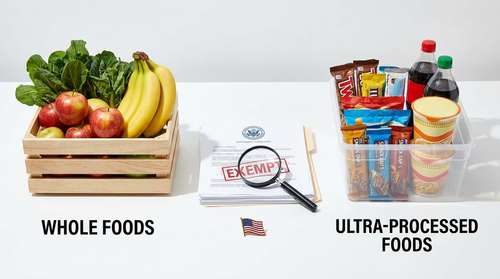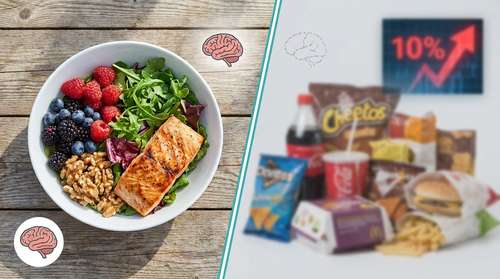
If your daily routine includes grabbing a quick protein bar or a bag of chips with your lunch, new research suggests you might be trading your long-term mental sharpness for short-term convenience. A groundbreaking study published in late April 2026 has thrust the critical conversation around ultra-processed foods brain health into the international spotlight. Researchers have identified a startling metric known as the "10% rule," showing that even marginal, seemingly harmless increases in industrial food consumption can immediately erode cognitive function and drastically elevate the risk of cognitive decline as we age.
The 10% Rule: Processed Food Cognitive Focus Decline
The highly anticipated UPF dementia risk study 2026, published in the journal Alzheimer's & Dementia: Diagnosis, Assessment & Disease Monitoring, tracked the dietary habits and brain health of over 2,100 middle-aged and older adults. The findings were unambiguous. For every 10% increase in daily calorie intake from ultra-processed foods (UPFs), participants experienced a distinct and measurable drop in visual attention and processing speed.
To put that abstract percentage into practical, everyday terms, a 10% increase is roughly equivalent to adding just one standard single-serve bag of potato chips or a typical commercial soft drink to your daily meal plan. While occasional memory slips are often dismissed as a normal part of aging, researchers explicitly pinpointed that attention—the fundamental prerequisite for learning, problem-solving, and executing daily tasks—is the very first cognitive pillar to fracture under the weight of heavily processed diets. Participants consuming higher amounts of UPFs saw their modifiable dementia risk score on the CAIDE scale increase by 0.24 points for each 10% jump in intake.
The Mediterranean Diet vs Ultra-Processed Foods
For decades, physicians and nutritionists have championed the Mediterranean diet as the absolute gold standard for healthy aging and longevity. Rich in olive oil, fresh vegetables, lean proteins, and whole grains, it is the most widely prescribed eating pattern to protect long-term cognitive function. However, the latest ultra-processed foods brain health data introduces a massive, paradigm-shifting caveat to this long-held dietary advice.
This new clinical research reveals that the physiological damage caused by industrial food processing can actually override the neuroprotective benefits of an otherwise healthy diet. When specifically examining the Mediterranean diet vs ultra-processed foods, scientists discovered that participants who adhered closely to Mediterranean eating patterns but still consumed UPFs suffered the exact same attention deficits and elevated dementia risk as those with poor overall diets. You cannot simply out-eat a highly processed diet by throwing a salad on top of it.
This suggests the core problem isn't merely a lack of essential vitamins or fiber, but rather the severe degree of food processing itself. The industrial manufacturing process routinely destroys the natural cellular structure of ingredients and introduces artificial additives, commercial emulsifiers, and industrial chemicals. These foreign compounds are suspected to trigger chronic neuroinflammation, effectively canceling out the brain-boosting antioxidants found in fresh produce and heart-healthy fats.
The Push for the Non-UPF Food Label California
As the scientific community sounds the alarm regarding these cognitive risks, lawmakers are finally stepping in to help consumers navigate the increasingly complex grocery aisles. Identifying what actually qualifies as "ultra-processed" has traditionally been difficult for everyday shoppers. Items marketed as healthy—like flavored yogurts, store-bought whole wheat breads, and premium protein bars—frequently contain industrial stabilizers and artificial flavors that place them squarely in the dangerous UPF category.
To combat this widespread consumer confusion, landmark legislation recently introduced in the spring of 2026 aims to establish a reliable non-UPF food label California residents can trust. Introduced by Assemblymember Jesse Gabriel under Assembly Bill 2244, this proposed state certification program would function much like the trusted USDA Organic seal. If passed, the voluntary "California Certified" seal would quickly verify that a product meets strict non-ultra-processed standards, empowering consumers to make informed choices about their processed food cognitive focus impact without needing a chemistry degree to decipher a complex ingredient list.
Building a Real Dementia Prevention Diet
With ultra-processed foods brain health risks now clearly quantified by robust data, rethinking your pantry staples is no longer optional if you want to maintain peak cognitive performance. Transitioning to a true dementia prevention diet requires prioritizing whole, single-ingredient foods that support structural brain integrity.
- Swap heavily flavored snacks: Trade industrially flavored potato chips and extruded cheese snacks for dry-roasted nuts or seeds. These provide essential fatty acids and sustained energy without the inflammatory chemical processing.
- Rethink modern convenience foods: Replace commercial granola bars—which often contain hidden syrups and emulsifiers—with simple, homemade energy bites made from rolled oats, raw honey, and pure almond butter.
- Prioritize clean hydration: Cut out diet sodas and artificially sweetened beverages entirely. Opt for filtered water naturally infused with real citrus fruits, cucumber, or fresh mint herbs.
Securing optimal nutrition for mental clarity isn't about achieving rigid dietary perfection every single day; it is about systematically minimizing your cumulative exposure to industrial processing. By consciously cutting your daily UPF intake by just 10%—effectively reversing the damaging ratio identified in the latest April 2026 research—you can actively defend your brain against premature decline, sharpen your daily focus, and protect your neurological health for the decades ahead.