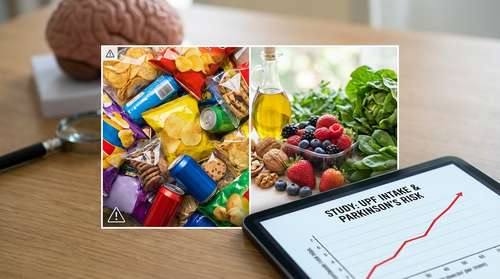
You grab a quick bowl of sugary cereal before work, or maybe a slice of packaged deli turkey for a midday sandwich. These dietary staples seem harmless enough, but a wave of breaking neurological research suggests otherwise. According to new data released this week in April 2026, there is a startling link between the typical Western diet and severe cognitive decline. Most notably, researchers have identified a direct connection involving ultra-processed foods Parkinson's risk, and the numbers are alarming. Consuming daily servings of heavily manufactured items can increase the likelihood of developing Parkinson's disease by anywhere from 30 to 50 percent.
The Alarming Findings of the UPF Brain Health Study 2026
In recent days, the medical community has been shaken by the latest findings surrounding diet and neurodegenerative diseases. Following extensive analysis from institutions like King's College and the American Academy of Neurology, specialists are raising serious concerns. Dr. Diego Torres-Russotto, Neurology Chair at Baptist Health's Miami Neuroscience Institute, recently emphasized that eating a high volume of manufactured meals directly correlates to early-onset symptoms of the disease.
In the comprehensive UPF brain health study 2026, experts found that consuming around a dozen servings of these items each day could more than double a person's risk over their lifetime. Even at moderate levels, the data paints a grim picture. Researchers tracked prodromal symptoms—early warning signs like REM sleep behavior disorder, severe constipation, and depressive episodes—and found them heavily prevalent in individuals who consumed diets rich in synthetic additives. This cements the link between ultra-processed foods Parkinson's risk and everyday eating habits.
What Foods That Cause Neurodegeneration Are You Eating?
What exactly falls under this dangerous umbrella? You might be surprised to learn that many of the items sitting in your pantry right now are categorized as foods that cause neurodegeneration. We aren't just talking about brightly colored sodas or deep-fried fast food. The definition extends to almost anything heavily modified from its original state.
The Hidden Dangers of Ultra-Processed Snacks
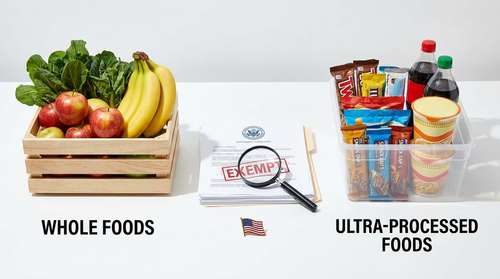
A massive portion of supermarket aisles is dedicated to items engineered for extended shelf life rather than nutritional value. The dangers of ultra-processed snacks lie in their fundamental makeup. Products like packaged sweets, breakfast cereals, hot dogs, and artificially sweetened beverages are stripped of their natural fiber and injected with synthetic additives. When a food is broken down and reconstructed with stabilizers, emulsifiers, and massive amounts of refined sugar or sodium, it ceases to be nourishment. Instead, it becomes a biological stressor that your digestive system struggles to process.
How Additives and Inflammation Fuel the Fire
To understand the soaring ultra-processed foods Parkinson's risk, we have to look at the brain-gut connection and systemic inflammation. Parkinson's disease occurs when neurons that produce dopamine become impaired or die off. While genetics play a role, environmental factors are now taking center stage in neurological research.
Industrial additives and extreme processing methods alter the gut microbiome. When the gut is compromised, it triggers chronic, low-grade inflammation throughout the body. This inflammatory response easily crosses the blood-brain barrier, creating a toxic environment for sensitive brain cells. Additionally, these foods drive oxidative stress, a biological rust that damages cellular structures. High levels of oxidative stress have long been recognized as a primary catalyst for cell death in neurodegenerative conditions. The current processed food health warnings being issued by neurologists are grounded in the simple fact that our brains cannot defend against a daily onslaught of synthetic chemicals.
Reclaiming Your Brain: A Parkinson's Disease Prevention Diet
Fortunately, you are not powerless in this situation. The decisions you make at the grocery store can actively defend your neurological health. While the damage caused by heavy processing is real, transitioning to a Parkinson's disease prevention diet can mitigate these risks and support long-term cognitive function.
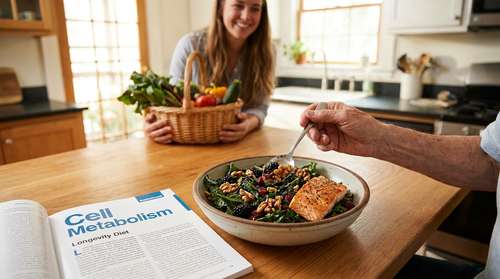
Neurologists and organizations like the American Parkinson's Foundation advocate heavily for a whole-food, plant-forward approach. The Mediterranean diet is frequently cited as the gold standard for brain protection. Focus on incorporating fresh, vibrant vegetables and leafy greens loaded with antioxidants. Add berries to your morning routine, as they are naturally rich in neuroprotective compounds. Prioritize omega-3 fatty acids found in wild-caught fish, walnuts, and chia seeds to naturally combat inflammation. Finally, choose lean, unprocessed proteins rather than cured deli meats.
We are entering a new era of nutritional psychiatry, where what you put on your plate is viewed as medicine or poison for the brain. By removing the items that provoke inflammation, you give your body the chance to heal and protect vulnerable dopamine-producing cells. Keep an eye out for our upcoming healthvot nutrition updates as researchers continue to untangle the complex web connecting our diets to our cognitive longevity. Making a dietary change today could quite literally save your mind tomorrow.