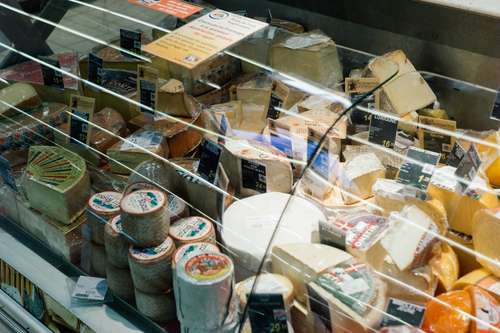
This week, concerns turned into action when several shredded cheese products were pulled from shelves across major retailers such as Walmart, Aldi, and Target. It might seem like just another recall in the world of food safety, but trust me, the risk of contamination has real implications for anyone who enjoys their favorite shredded cheese toppings.
You might be wondering how such a beloved staple could end up in a recall notice, right? Well, it turns out that a potential cheese contamination risk has led to this product recall. In an era where food safety alert updates are common, it’s crucial to pay attention, especially when it involves something as frequently used as shredded cheese.
The recall covers products distributed between November 3 and November 10, and consumers are urged to review UPC and batch codes. If you spot a match, it’s best to return the product for a refund. This isn’t just a routine product recall—it’s a serious action protecting public health, and it emphasizes the need to remain vigilant about what’s on your plate.
Understanding the Recall Notice
Before diving into the details, it’s important to understand the nature of this recall notice. Simply put, a shredded cheese recall is not something that happens all the time. When contamination issues arise, companies work closely with food safety regulators to mitigate any risk to consumers. Ever wonder how these decisions are made? They are based on investigations that pinpoint potential sources of food contamination, ensuring that every affected product is safely removed from the market.
The product recall update also explains that the contamination risk stems from harmful bacteria. With cheese being one of the most consumed food products in the United States, the potential danger underscores the importance of a rapid consumer safety alert. People have been advised to check their cheese products carefully.
This recall is a prime example of the necessary steps taken to avoid cheese contamination and reduce the risk of severe health issues associated with consuming contaminated cheese. With each step, it’s clear that authorities and retailers take food contamination very seriously.
Health Concerns Surrounding Cheese Contamination
Food contamination can have immediate and long-term health effects. Although you might love the cheesy flavor on your pasta or tacos, consuming contaminated cheese can lead to foodborne illness. Numerous cases of food safety incidents have been reported over the years, and each one serves as a reminder of how quickly trust can turn into alarm.
Cheese contamination is not just about discomfort; in worst-case scenarios, it can lead to severe complications. It’s a risk not to be taken lightly. Consumers are encouraged to follow the recall notice promptly to avoid any health repercussions. It’s like having a car recall; you never want to risk injury by ignoring the safety measures.
In this situation, the recall notice suggests that bacteria, known to be harmful, may be present in some batches of the shredded cheese. The fear of food contamination is real—and rightly so. You might ask, what exactly should you do if you suspect you have purchased a contaminated cheese product? The answer is simple: check your UPC and batch codes and act immediately.
This incident has also sparked a broader conversation about food safety. People now question, 'How did we get here?' and 'What checks should be in place to prevent this?' The answers lie in rigorous quality control and a transparent recall process that aims to protect consumers at all costs.
Steps Consumers Can Take
When you hear about a shredded cheese recall, the first thought is often, 'What do I do now?' The guidelines recommended by safety officials are straightforward: inspect your cheese packaging for any of the recalled UPC or batch codes, and if there’s a match, return the product to the store for a full refund.
It’s advisable not to use any product that might pose a risk to your health. Imagine discovering that a food favorite in your kitchen is now flagged as a contamination risk—it’s not something you want to ignore! This food recall update is meant to safeguard your well-being, so take the time to check your inventory.
In some instances, retailers have gone above and beyond by marking the recalled cheese clearly and even preventing further sales through digital alerts at the checkout. The collective response from both the producers and retailers is a good sign that the industry is taking consumer safety alert seriously.
There isn’t any need for panic, but it is essential to be cautious. Remember, food safety is something we all have a role in. Personally, I recommend keeping a close eye on updates from the FDA and local health departments—staying informed is the best way to protect yourself and your family.
Retailer Response and Safety Measures
It’s common to see a swift action from retailers during any product recall. In this case, the affected shredded cheese products have been removed from shelves at well-known stores to prevent further exposure. Retailers have not only pulled the items off the shelves but are also working with suppliers and health regulators to determine how this cheese contamination risk slipped through the quality control process.
The manner in which these chains have responded can be likened to emergency services rushing to contain a scene. They are actively cooperating with food safety authorities to ensure that the contamination risk is minimized. This prompt response is critical for consumer safety alert and underscores the significance of having robust monitoring systems in place.
For example, Target has set up additional scrutiny points to double-check product batches before they even reach the shelves. This new measure reflects an industry-wide shift towards proactive rather than reactive safety protocols. It’s really reassuring to see such dedication toward public health!
Retailers are also posting clear notices on their websites and in stores, directing consumers on how to check for potential issues. As shoppers, we can appreciate this transparent communication. It not only helps to ensure that contaminated cheese is swiftly dealt with but also reinforces the overall emphasis on cheese safety and public health. Knowing that quick measures are in place certainly eases the anxiety about unintentional exposure to food contamination.
The collective efforts of retailers, manufacturers, and regulatory bodies serve as a reminder that in the realm of food safety, every member of the chain plays a crucial role. Your attention to these updates and cooperation with safety guidelines make a huge difference in preventing a larger health crisis!
What’s Next for Consumers and the Industry?
As consumers, it might feel a bit unsettling to see everyday products draw a food recall update. But every recall notice is also a learning opportunity for both industry stakeholders and the ordinary buyer. With the shredded cheese recall, the goal is clear: ensure no one’s health is compromised while setting new standards for quality control across the board.
This recall not only highlights a critical lapse but also serves as a catalyst for change. Maybe next time you’re shopping, you’ll notice more detailed labels or even proactive digital alerts either in-store or online about product safety. It’s a reminder that staying informed is essential and that your vigilance can often protect you from avoiding contaminated cheese.
The industry is taking steps to refine its safety protocols, and consumer feedback plays a huge role in shaping these changes. Whether it's advocating for more frequent quality checks or calling for clearer communication on food contamination risks, every voice matters. For those keeping track of cheese recall news, this incident might just be the spark for a nationwide discussion about food safety awareness!
Many experts argue that these events urge us all to take personal responsibility for our food choices. It's not just about the immediate risk; it's about ensuring long-term trust in the food we eat every day. When you hear a food safety alert, consider it more than just a cautionary tale—it’s a proactive step towards maintaining the health and quality of our daily diets.
In closing, this shredded cheese recall serves as a timely reminder of the delicate balance between enjoying our favorite foods and ensuring they are safe to consume. The collective efforts from retailers, health authorities, and manufacturers highlight a strong commitment towards preventing cheese contamination risk and maintaining overall consumer safety. By staying alert and informed, we can all play our part in ensuring that a simple delight like shredded cheese remains a safe choice at our dining tables.