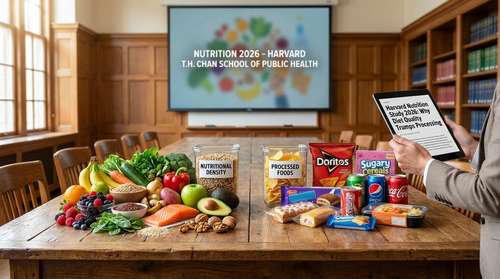
In a watershed moment for American nutrition policy, the Department of Health and Human Services (HHS) and the USDA have officially released the 2026 U.S. Dietary Guidelines, signaling the end of the traditional food pyramid era. Unveiled this week by HHS Secretary Robert F. Kennedy Jr. and USDA Secretary Brooke Rollins, the new 2025-2030 framework abandons decades of conventional advice in favor of a bold, simplified mandate: "Eat Real Food." This historic reset explicitly advises Americans to eliminate ultra-processed foods, marking the first time federal policy has declared war on the industrial food additives and refined ingredients that dominate the modern grocery store.
The Great Reset: Prioritizing Real Food Over Processing
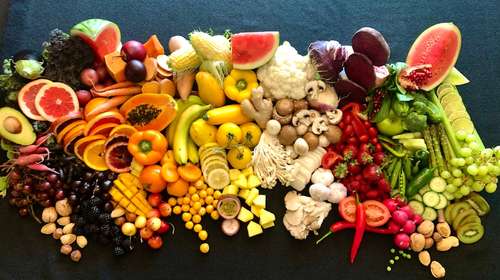
The core of the RFK Jr food pyramid reset is a complete philosophical overhaul of how the government defines a healthy diet. Gone are the complex, grain-heavy tiers of the past. In their place is a new, inverted model that places high-quality proteins, healthy fats, and whole vegetables at the pinnacle of nutrition.
Secretary Kennedy described the guidelines as "the most significant reset of federal nutrition policy in history." The new 10-page document is a stark contrast to previous 150-page volumes, designed to be accessible to every American family. The central tenet is clear: prioritizing nutrient-dense whole foods is the only way to reverse the nation's chronic disease epidemic. By focusing on the HHS eat real food campaign, the administration aims to shift consumer behavior away from factory-made products and back to farm-grown ingredients.
War on Ultra-Processed Foods: A Federal First
For the first time, the federal government has drawn a hard line in the sand regarding the ultra-processed foods health risks. The guidelines explicitly urge consumers to avoid "highly processed packaged, prepared, ready-to-eat, or other foods that are salty or sweet." This category includes common staples like chips, cookies, sugary cereals, and shelf-stable convenience meals.
The policy goes further than simple advice; it frames these products as active drivers of metabolic disease. The guidelines link diets high in processed foods to obesity, diabetes, and heart disease, validating years of independent research. By officially advising against these items, the new policy challenges the core business models of major food manufacturers and aligns federal recommendations with the "Make America Healthy Again" agenda.
Banning Artificial Additives
Alongside the reduction of processed ingredients, the guidelines take a firm stance against chemical additives. Americans are advised to avoid artificial flavors, petroleum-based dyes, and preservatives. This moves the U.S. closer to European standards, where many such additives have long been restricted or require warning labels.
Protein and Healthy Fats: The New Foundation
Perhaps the most controversial yet scientifically grounded shift is the rehabilitation of dietary fats and the prioritization of protein. The new federal nutrition policy recommends a significant increase in daily protein intake, suggesting a target of 1.2 to 1.6 grams per kilogram of body weight—nearly double the previous minimum requirement.
The guidelines also effectively end the decades-long "war on saturated fats." While keeping the technical limit at 10% of daily calories, the text explicitly encourages the consumption of healthy fats from whole food sources. This includes:
- Red Meat & Poultry: Recognized as nutrient-dense protein sources.
- Full-Fat Dairy: Preferred over low-fat, sugar-laden alternatives.
- Traditional Fats: Butter, beef tallow, and olive oil are recommended for cooking.
This pivot acknowledges that replacing natural fats with refined carbohydrates and industrial seed oils has likely contributed to poor public health outcomes.
Strict Limits on Sugar: A Zero-Tolerance Approach
The added sugar limits 2026 are the strictest in history. The guidelines declare that "no amount" of added sugar is considered healthy. For the first time, there is a specific cap per meal: no more than 10 grams (approximately 2.5 teaspoons) of added sugar should be present in any single sitting.
The rules are even tighter for the youngest Americans. Children under age four are advised to avoid added sugars and non-nutritive sweeteners entirely. This recommendation strikes at the heart of the children's food market, which is saturated with sweetened snacks and beverages. By setting these boundaries, the HHS is attempting to break the cycle of sugar addiction that often begins in toddlerhood.
Impact on National Health Policy
This 2026 U.S. Dietary Guidelines release is more than just a pamphlet; it dictates the standards for school lunches, military rations, and federal food assistance programs. By defining "real food" as the standard, the administration is setting the stage for a massive logistical shift in how the government procures food.
While the transition will take time, the message is immediate: avoiding processed foods for health is no longer just a fringe wellness trend—it is the official position of the United States government. As Secretary Kennedy stated during the release, the goal is simple: "Make America Healthy Again" by returning to the basics of nutrition that sustained humanity for centuries.