Your morning bacon or the turkey sandwich you grab for a quick lunch might come with a hidden cost that millions of people are entirely missing. As the medical community observes National Colorectal Cancer Awareness Month in March 2026, a surprising public knowledge gap has emerged. According to recent data, a staggering number of U.S. adults remain completely in the dark about the processed meat colon cancer risk. With disease rates continuing to surge among younger demographics, experts are sounding the alarm on everyday dietary habits that are silently damaging our health.
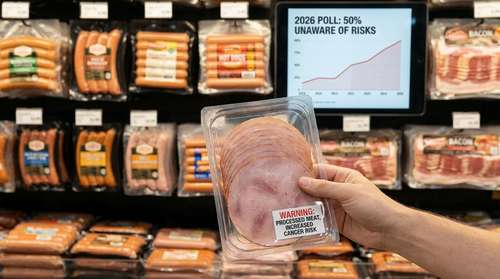
A nationwide Physicians Committee for Responsible Medicine poll released late last month surveyed over 2,200 Americans to gauge their understanding of dietary hazards. The findings were stark. Nearly 50% of respondents did not know that consuming foods like hot dogs, sausage, bacon, and cold cuts directly increases the likelihood of developing colorectal cancer.
The Overlooked Health Risks of Deli Meat
The World Health Organization has long classified processed meats as Group 1 carcinogens—putting them in the exact same risk category as tobacco smoke and asbestos. This alarming classification stems from the methods used to preserve these items. The processes of salting, curing, and smoking generate harmful compounds like heterocyclic aromatic amines and N-nitroso chemicals in the body. Consuming just 50 grams daily—roughly equivalent to a single hot dog or two small slices of breakfast bacon—spikes the relative risk of developing the disease by 18 percent.
Despite this clear scientific consensus, the health risks of deli meat remain largely absent from everyday clinical conversations. The recent poll highlighted a frustrating reality: only one in three adults have ever discussed the meat-cancer connection with their healthcare provider. This communication disconnect leaves patients vulnerable, particularly as diet plays an outsized role in gastrointestinal health and overall longevity.
The Urgency of Early Onset Colon Cancer Prevention
This widespread lack of awareness arrives at a critical juncture for American public health. Colorectal cancer recently surpassed other illnesses to become the leading cause of cancer-related deaths in adults under the age of 50. Dr. Joseph Barrocas, a North Carolina-based internal medicine specialist, noted the troubling nature of this trend when reviewing the survey data. He emphasized that the soaring mortality rate among young adults makes the public's blind spot regarding processed foods deeply concerning.
The drive for early onset colon cancer prevention goes far beyond simply scheduling colonoscopies at age 45. Prevention essentially starts in the grocery store aisle. While genetic history certainly plays a role, gastroenterologists and oncologists increasingly point to lifestyle factors—specifically the overconsumption of ultra-processed diets—as primary drivers of this demographic shift in cancer diagnoses.
Growing Support for Cancer Warning Labels on Food
Would you still buy a package of bologna or salami if it carried a stark health warning? The answer for the majority of Americans is a resounding yes to the label, but a probable no to the meat. Once poll respondents were actually educated about the scientific link, two-thirds stated they would strongly support mandatory cancer warning labels on food packaging for processed meats.
Dietitians and public health advocates argue that front-of-package warnings could drastically shift consumer behavior and save lives. Anna Herby, a registered dietitian with the Physicians Committee, recently drew direct parallels between the proposed meat labels and the aggressive warning campaigns successfully used for tobacco products. If consumers can see the direct risk printed right on the plastic wrap, they are far more likely to reconsider their purchase. Some advocates are now pushing for states like California to add processed meats to their Proposition 65 list of known carcinogens, forcing manufacturers to be transparent.
Shifting the Focus: Nutrition and Cancer Prevention
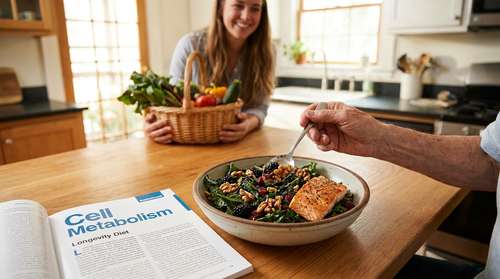
The narrative around colorectal cancer awareness 2026 doesn't have to be entirely bleak. The very same research that exposes the extreme dangers of the standard American diet also highlights a clear, actionable path forward. Prioritizing nutrition and cancer prevention is highly effective, and small daily substitutions yield massive dividends for your gut microbiome.
Ditching the morning sausage in favor of high-fiber plant foods actively protects your digestive tract. Nutritional experts point out that adding just 10 grams of dietary fiber to your daily routine can reduce your overall colorectal cancer risk by up to 10 percent.
Simple Dietary Swaps for a Healthier Gut
- Embrace legumes: Swap the diced ham in your soup or salad for black beans, lentils, or chickpeas. Consuming just two-thirds of a cup of black beans provides a massive fiber boost that helps sweep toxins from the digestive tract.
- Choose whole grains: Replace refined white breads and processed snack wrappers with nutrient-dense options like quinoa, farro, and steel-cut oats.
- Snack on seeds and berries: A cup of fresh raspberries or a couple of tablespoons of chia seeds easily bridges the daily fiber gap without the inflammatory effects associated with animal products.
As we navigate the sobering medical statistics of 2026, the primary takeaway is incredibly empowering. We have the direct ability to alter our individual risk profiles. Equipping ourselves with accurate, up-to-date information is the crucial first step toward reversing the current trajectory of gastrointestinal diseases. Your next meal is a prime opportunity to protect your long-term health—choose wisely.