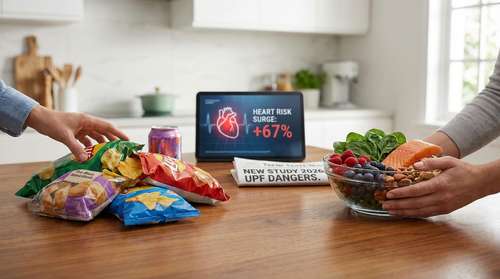
For decades, convenience has dictated the American diet, with drive-thrus, packaged snacks, and microwaveable meals serving as the backbone of busy schedules. However, a major new U.S. study is shedding light on the catastrophic toll this convenience takes on our cardiovascular system. The latest findings regarding the ultra-processed foods heart risk are serving as a massive wake-up call for cardiologists and consumers alike. According to groundbreaking research presented at the American College of Cardiology's Annual Scientific Session in March 2026, individuals who heavily consume ultra-processed foods face a staggering 67% higher risk of experiencing a heart attack, stroke, or cardiac death compared to those who eat them sparingly.
The study goes beyond just calories or sugar counts, suggesting that the intensive manufacturing processes themselves might be heavily to blame. With cardiovascular disease remaining the leading cause of global mortality, understanding the impact of what we put on our plates has never been more urgent.
Unpacking the UPF Cardiovascular Study 2026
Published in the journal JACC: Advances and utilizing comprehensive data from the Multi-Ethnic Study of Atherosclerosis (MESA), the UPF cardiovascular study 2026 tracked the diets and health outcomes of over 6,800 U.S. adults aged 45 to 84. All participants entered the study with no confirmed history of cardiovascular disease and completed rigorous 120-item questionnaires to document their eating habits over roughly a dozen years. Participants with the highest intake consumed an average of 9.3 servings of ultra-processed foods daily, while those with the lowest intake averaged just 1.1 servings.
The contrast in long-term health outcomes was jarring. The research team, led by Dr. Amier Haidar, discovered that every single additional daily serving of these highly engineered items increased a person’s risk of adverse cardiac events by roughly 5%. Even after adjusting for common risk factors like obesity, high blood pressure, diabetes, and overall diet quality, the stark danger associated with these foods remained practically unchanged. Notably, the study found a disproportionate impact on Black Americans, who experienced a 6.1% risk jump per additional serving compared to a 3.2% increase in non-Black individuals, highlighting significant health disparities tied to neighborhood food access and targeted marketing.
The Hidden Dangers: Risks of Packaged Snacks and Processing Methods
It is incredibly easy to assume that a calorie is simply a calorie, but the risks of packaged snacks and frozen dinners extend far beyond their basic nutritional profiles. These items are industrially manufactured and routinely loaded with artificial flavors, colors, emulsifiers, and chemical preservatives to make them shelf-stable and highly attractive.
Cardiologists suspect that the danger lies heavily in the processing itself. These manufacturing techniques physically strip away essential fibers and nutrients, creating hyper-palatable foods that bypass the body's natural satiety signals. This lack of dietary fiber leads to rapid overeating, widespread systemic inflammation, and severe metabolic disruption. Ingredients commonly used in these products are known to damage blood vessels over time, accelerating the buildup of plaque that eventually triggers a cardiac event. In fact, the data showed that within the broad category of engineered items, sugary foods and drinks exhibited the most pronounced association with elevated cardiovascular disease risk.
How to Identify Ultra-Processed Foods
If you want to protect your cardiovascular system, you first need to know exactly what you are fighting. Understanding how to identify ultra-processed foods is the critical first step in overhauling your pantry. Researchers typically rely on the NOVA classification system, which categorizes our food into four distinct groups, with ultra-processed items sitting at the extreme, most dangerous end of the spectrum.
These products are typically ready-to-eat or ready-to-heat and contain ingredient lists filled with items you would rarely find in a home kitchen—think high-fructose corn syrup, hydrogenated oils, and artificial stabilizers. Common everyday culprits include:
- Mass-produced packaged breads and baked goods
- Sweetened breakfast cereals and energy drinks
- Frozen pizzas, microwavable dinners, and instant soups
- Deli cold cuts and heavily processed meats
- Salty packaged snacks like chips and cheese puffs
Processed Food vs Whole Food Benefits
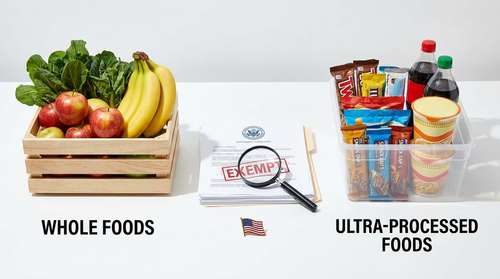
When evaluating processed food vs whole food benefits, the physiological differences are profound. Whole foods—such as fresh vegetables, fruits, legumes, and lean proteins—retain their natural structural integrity. They digest slowly, providing a steady release of energy while keeping blood sugar levels perfectly stable. In stark contrast, ultra-processed options are rapidly absorbed by the digestive tract, spiking insulin levels and promoting visceral fat storage, which is a direct pathway to heart disease.
Building a Heart Attack Prevention Diet
Transitioning away from a heavy reliance on manufactured items does not require overnight perfection. Instead, it demands a consistent, intentional shift toward better daily choices. A robust heart attack prevention diet prioritizes ingredients in their most natural, unaltered state.
Optimal nutrition for heart health involves actively crowding out the bad with the good. Start by swapping sugary breakfast cereals for steel-cut oats topped with fresh berries, or trade a highly caffeinated energy drink for a handful of unsalted mixed nuts and sparkling water. Cooking at home more frequently allows you to control exactly what goes into your meals, drastically reducing your exposure to hidden sodium, added sugars, and chemical emulsifiers.
The scientific evidence presented in March 2026 is now indisputable. While a convenient packaged snack might save you five minutes during a busy afternoon, the long-term cost to your arteries is simply too high a price to pay. Slashing your intake of ultra-processed items is one of the most powerful, scientifically backed steps you can take to lower your risk profile and ensure a longer, healthier life.