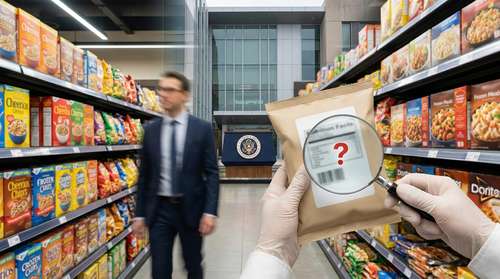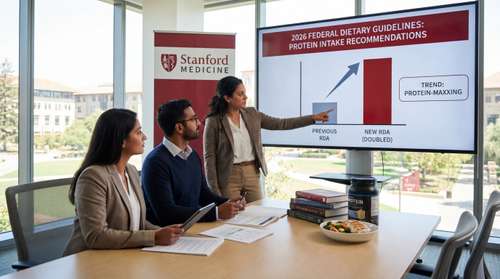
Potato chips, pastries, and even bottled water—if you have walked down a grocery store aisle recently, you have likely noticed an explosion of fortified snacks. This retail shift is the direct result of a massive health policy change: the new protein RDA 2026. With the latest federal dietary guidelines update pushing recommended intakes up by as much as 100%, consumers are radically changing how they eat. The shift has sparked a viral social media phenomenon known widely as the protein-maxxing trend.
But earlier this week, leading doctors stepped into the fray to separate aggressive food marketing from actual medical science. Recent Stanford Medicine nutrition news warns consumers not to take these elevated targets as an excuse to consume highly processed junk food. Understanding the new protein RDA 2026 is crucial before changing your grocery habits. Here is what you need to know about the new recommendations, whether you actually need to double your intake, and how to fuel your body safely.
The 2026 Federal Dietary Guidelines Update Explained
For decades, standard nutritional advice held relatively steady. The historically accepted baseline for protein was just 0.8 grams per kilogram of body weight. However, the recently published 2025-2030 Dietary Guidelines for Americans completely rewrote the playbook.
The new framework raises the recommended dietary allowance to between 1.2 and 1.6 grams per kilogram of body weight. For an average 150-pound adult, that translates to a jump from about 55 grams to a staggering 80 to 110 grams of protein daily. This unprecedented federal dietary guidelines update has triggered a nationwide frenzy. Food manufacturers are now rushing to pump everything from cookie dough to zero-sugar soda with whey and plant proteins, turning the pursuit of macronutrients into a lucrative industry.
Breaking Down the Hype with Stanford Experts
While fitness influencers celebrate the validation of their high-protein diets, leading researchers are urging caution. On Wednesday, Stanford researchers released a comprehensive analysis of the cultural obsession with protein.
Dr. Christopher Gardner, director of nutrition studies at the Stanford Prevention Research Center, noted that the underlying science has not drastically changed. Rather, protein has become one of the most heavily marketed nutritional products in modern history. Marily Oppezzo, a Stanford dietician, compared the current craze to the low-fat era of the 1990s. We have essentially given protein a 'health halo,' assuming that if a little is necessary, a massive amount must be optimal for human health.
Who Actually Needs the Extra Protein?
Despite the broader push for protein-maxxing, experts highlighted two specific demographics that legitimately benefit from hitting the higher end of the new RDA. Adults over the age of 40 require more protein to stave off age-related muscle loss. Additionally, the rapidly growing population utilizing modern weight-loss medications needs higher protein intakes to preserve lean muscle mass during significant caloric deficits.
How Much Protein Per Day Do We Really Need?
Determining exactly how much protein per day you need has become a cultural obsession. If you are frantically tracking macros on your smartphone to hit the new protein RDA 2026, you might be wasting your energy. The reality of healthvot nutrition analysis is that most Americans are not protein-deficient. In fact, we are naturally maxxing our intake without even trying.
According to current National Health and Nutrition Examination Survey data, the average American man already consumes between 90 and 100 grams of protein daily. Women average 65 to 75 grams a day. This means the vast majority of the population naturally meets the newly elevated guidelines without relying on expensive, heavily processed protein bars or synthetic shakes. Chasing excess grams beyond these natural levels provides diminishing returns, as the body simply converts leftover protein into energy or stores it.
Meeting Your Protein Requirements for Muscle Safely
Optimizing your diet is not just about chasing a high daily number. When evaluating your protein requirements for muscle growth and overall retention, the source of your macronutrients matters just as much as the total volume. Extreme amounts of synthetic protein can overwork your kidneys and cause digestive distress.
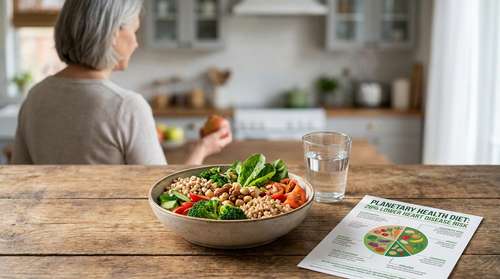
Dumping synthetic protein powders into ultra-processed foods often introduces excess sodium, saturated fats, and artificial sweeteners into your diet. Instead, nutritionists suggest prioritizing whole, naturally protein-rich foods. Greek yogurt, lentils, beans, eggs, and lean meats offer a complex matrix of zinc, iron, B vitamins, and healthy fats that a fortified Pop-Tart simply cannot replicate.
Furthermore, experts warn that the hyper-focus on protein is causing many Americans to ignore an equally crucial nutrient: fiber. Public health experts note that while most adults hit their protein goals, fewer than 10% meet their daily fiber requirements. Ultimately, the protein-maxxing trend highlights a growing cultural desire to eat for functional health. While the new guidelines validate a higher baseline for human performance, true wellness requires a balanced plate. Maximize your whole foods, hit your baseline targets naturally, and leave the protein-infused bottled water on the supermarket shelf.