Imagine a diet that lasts only two days but protects your heart for over a month. A groundbreaking new clinical trial has revealed that a specific 48-hour oatmeal diet can lower "bad" LDL cholesterol by roughly 10%, with health benefits persisting for six weeks after the intervention ends. Published yesterday in Nature Communications, this research suggests that a short-term, intensive "oat boot camp" might be more effective than slowly incorporating grains into your daily routine.
The 48-Hour Oatmeal Diet: How It Works
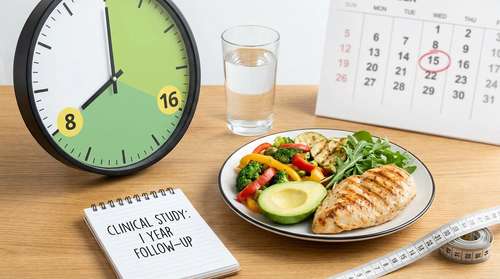
Researchers at the University of Bonn in Germany recruited participants with metabolic syndrome—a cluster of conditions including high blood pressure, excess body fat, and elevated blood sugar—to test the power of oats. The intervention was simple but strict: for two consecutive days, participants consumed nothing but 300 grams (about 10.5 ounces) of rolled oats boiled in water, divided into three meals.
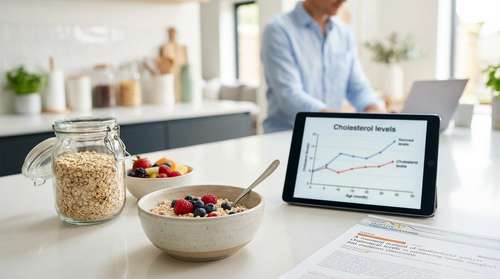
While this sounds intense, the results were undeniable. By the end of the 48-hour period, participants saw their LDL cholesterol levels drop by an average of 10% and total cholesterol by 8%. They also lost approximately two kilograms (4.4 lbs) and saw slight improvements in blood pressure. The study's lead author, Linda Klümpen, noted that this rapid change wasn't just about cutting calories; it was about how the oats interacted with the body's internal chemistry.
Reshaping the Gut Microbiome
The secret to this lower LDL cholesterol naturally phenomenon lies deep in the digestive tract. The study found that flooding the system with oats for two days dramatically reshaped the participants' gut microbiome. This sudden influx of fiber promoted the growth of specific beneficial bacteria that act like microscopic pharmacists.
These bacteria break down the oats to produce "phenolic metabolites," specifically a molecule called ferulic acid. Researchers discovered that ferulic acid directly influences how the liver processes cholesterol, effectively signaling the body to stop storing fat and start burning it. "We were able to show that intestinal bacteria produce phenolic compounds by breaking down the oats," Klümpen explained. "These compounds improve cholesterol metabolism."
Long-Term Protection from a Short-Term Diet
Perhaps the most shocking finding of the Nature Communications nutrition research was the longevity of the effects. Typically, when people stop a diet, their numbers bounce back. However, in this study, the cholesterol-lowering benefits remained visible in blood tests six weeks after the participants returned to their normal eating habits.
This "memory effect" suggests that the 48-hour intervention successfully reprogrammed the gut bacteria to maintain a healthier metabolic state long-term. This offers a promising new strategy for those asking how to reduce cholesterol in 2 days without relying immediately on medication.
Oat "Boot Camp" vs. Daily Consumption
Interestingly, the study compared this two-day intensity approach against a more traditional method. A second group of participants simply added 80 grams of oats to their regular diet every day for six weeks. Surprisingly, this group did not see the same significant drop in cholesterol levels.
Senior author Marie-Christine Simon emphasized that the "shock" to the system provided by the exclusive oat diet was key. "The cereal above all exerted its effect at a high concentration," Simon stated. This challenges the conventional wisdom that slow and steady always wins the race; when it comes to oats for heart health, a short, high-dose intervention might effectively "reset" the metabolic clock.
Protocol: What Did They Eat?
If you are looking to replicate the study's protocol to natural cholesterol lowering foods, here is the exact breakdown used in the clinical trial:
- Duration: Strictly 48 hours.
- Food: 300g of rolled oats per day.
- Preparation: Boiled in water (porridge) or steeped as overnight oats. No milk or dairy.
- Add-ins: Only small amounts of fresh vegetables or fruit were allowed (e.g., berries or spinach).
- Restrictions: No salt, sugar, sweeteners, or oils.
- Hydration: Plenty of water or unsweetened tea.
However, experts caution that this is a very low-calorie intervention (around 1,100–1,200 calories). It was designed for patients with metabolic syndrome under medical supervision. Anyone considering such a restrictive diet should consult a healthcare provider first.
A New Future for Dietary Interventions?
This oatmeal gut microbiome study revisits a concept from the early 20th century, where German physicians used "oat days" to treat diabetes. Modern medicine largely abandoned these dietary cures in favor of statins and insulin. Yet, as this research shows, food can be as potent as pharmaceuticals when used strategically.
With heart disease remaining a top killer globally, the ability to significantly lower risk factors in just a weekend is a game-changer. While pills are effective, a bowl of oats might just be the natural prescription your gut bacteria have been waiting for.