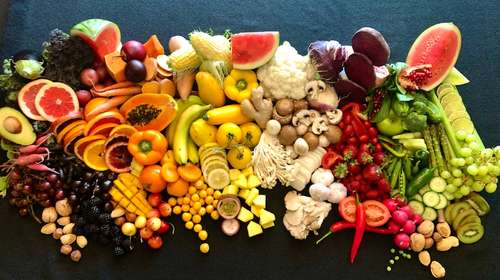
In a historic overhaul of federal nutrition policy, the U.S. Department of Health and Human Services (HHS) and the USDA have officially released the 2025-2030 Dietary Guidelines for Americans, introducing the most radical changes to national food standards in decades. The updated framework, unveiled last week by HHS Secretary Robert F. Kennedy Jr. and Agriculture Secretary Brooke Rollins, pivots aggressively toward a "real food" doctrine under the administration's MAHA initiative (Make America Healthy Again). The centerpiece of the new policy is a strict 10 gram added sugar limit per meal, a move poised to reshape school lunches, federal assistance programs, and food manufacturing across the nation.
The '10-Gram Sugar Rule': A Radical Departure
For the first time, federal guidelines have moved away from percentage-based recommendations to a hard cap on added sugars. While previous editions suggested limiting added sugar to less than 10% of total daily calories, the 2025-2030 Dietary Guidelines for Americans mandate a specific ceiling: no more than 10 grams of added sugar per meal. This roughly equates to two teaspoons of sugar—significantly less than the amount found in a single can of soda or many popular breakfast cereals.
The guidelines go even further for the nation's youth, recommending zero added sugars for children under age 10. This is a sharp increase from the previous standard, which only advised avoiding added sugars for children under two. "My message is clear: Eat real food," Secretary Kennedy stated during the release at the White House, emphasizing that the new standards are designed to combat the "unprecedented chronic disease" crisis facing the country.
War on Ultra-Processed Foods & New Protein Standards
Beyond sugar, the guidelines represent a declared "war" on ultra-processed foods (UPFs). For the first time, the document explicitly advises Americans to avoid "highly processed packaged, prepared, ready-to-eat, or other foods that are salty or sweet," specifically calling out products with artificial flavors, dyes, and preservatives. This shift aligns with the MAHA initiative health policy, which seeks to reduce the influence of industrial food giants on public health.
Inverted Food Pyramid and Full-Fat Dairy
The visual representation of the guidelines has also received a complete makeover. The traditional MyPlate model has been sidelined in favor of an "inverted food pyramid" that prioritizes nutrient-dense protein and healthy fats at the top. The new protein targets are aggressive, recommending adults consume 1.2 to 1.6 grams of protein per kilogram of body weight daily—nearly double the previous 0.8-gram standard.
In another major reversal, the guidelines now encourage the consumption of full-fat dairy, butter, and even beef tallow, moving away from the low-fat doctrine that has dominated nutrition advice since the 1980s. Officials argue that these natural fats are essential for metabolic health when separated from processed carbohydrates.
Industry Shockwaves and FDA Labeling Changes 2026
The announcement has sent shockwaves through the food industry. Stocks for major packaged food companies, including Kraft Heinz and Conagra, dipped following the release, reflecting investor fears over the crackdown on processed items. The new standards are expected to influence the FDA food labeling changes 2026, potentially forcing manufacturers to place warning labels on products that exceed the sugar or additive limits.
The guidelines also serve as the blueprint for the National School Lunch Program. With the USDA nutrition standards update, schools will likely be required to eliminate sweetened milk, sugary breakfast items, and processed snacks from cafeterias by the next academic year. To support this transition, the administration launched a new consumer-facing website, realfood.gov, replacing previous digital resources.
A New Era for Public Health?
Reactions to the 2025-2030 Dietary Guidelines have been polarized yet passionate. Functional medicine practitioners and metabolic health advocates have hailed the changes as a long-overdue correction to science they claim was influenced by corporate lobbying. "This is the most significant reset of federal nutrition policy in our nation's history," the USDA stated in its press briefing.
However, the transition poses logistical challenges. Critics question the affordability of a high-protein, whole-food diet for low-income families and the feasibility of such strict sugar limits in a food environment saturated with sweetness. As the FDA and USDA move to implement these standards, the coming months will reveal whether this bold policy shift can truly reverse America's metabolic health crisis.