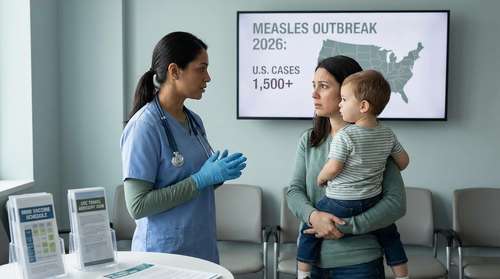
As summer vacation planning begins, the United States is facing a critical public health challenge. The measles outbreak 2026 has rapidly intensified over the past 48 hours, with confirmed infections now surging past 1,500 cases across 30 states. Health authorities are sounding the alarm over a concerning spike in pediatric hospitalizations and have issued urgent family travel warnings ahead of the busy summer season. What started earlier this year as localized clusters has quickly evolved into the most significant resurgence of vaccine-preventable diseases in more than a decade. For families preparing to navigate airports and crowded resorts, understanding how to stay protected is no longer optional—it is a mandatory step for ensuring a safe holiday.
Analyzing the Measles Outbreak 2026
Public health officials released updated figures this week showing the aggressive transmission rate of the virus. Measles is exceptionally contagious; the virus can linger in the airspace and on surfaces for up to two hours after an infected person has coughed or sneezed. This airborne tenacity explains the accelerated spread through densely populated areas, daycares, and major transit hubs.
Recent pediatric health alerts emphasize that unvaccinated and under-vaccinated individuals face an extraordinarily high risk of infection. If one person has it, up to 90% of the people close to that person who are not immune will also become infected. With national cases surpassing the 1,500 mark, medical professionals are deeply concerned about the broader community impact. Hospitals in the hardest-hit states are currently activating emergency preparedness protocols to handle the influx of pediatric patients, implementing strict airborne isolation procedures to protect vulnerable populations in their facilities.
How to Spot Measles Symptoms in Children
Because early intervention is crucial, parents must know exactly what physical signs to monitor. Unfortunately, the initial measles symptoms in children often mimic a standard seasonal cold or upper respiratory infection. The illness typically begins with a high fever that can spike over 104 degrees, a persistent dry cough, severe runny nose, and conjunctivitis, which causes red, watery, and light-sensitive eyes.
A few days into the illness, small white spots with bluish-white centers—medically known as Koplik spots—may appear inside the cheeks and mouth. This is often the definitive warning sign before the characteristic rash breaks out. The rash usually starts as flat red spots on the face and along the hairline, before gradually progressing downward over the neck, torso, arms, and legs over a period of three to five days.
When to Seek Immediate Medical Care
Measles is not just a simple rash; it can lead to severe complications like pneumonia or encephalitis (swelling of the brain). If you suspect your child has been exposed, contact your pediatrician immediately by phone. Do not show up unannounced at an urgent care clinic or waiting room where the virus could effortlessly infect others. Seek emergency evaluation if your child experiences a fever that refuses to break, severe lethargy, shortness of breath, or any signs of respiratory distress.
Navigating the CDC Travel Advisory 2026
In response to the escalating numbers this week, federal health agencies updated the CDC travel advisory 2026, strongly urging families to review their immunization records before boarding flights or visiting crowded tourist destinations. The warning specifically highlights domestic travel hotspots and international regions currently experiencing concurrent outbreaks.
For those planning summer getaways, essential family health safety tips include maintaining rigorous hygiene standards, considering high-quality masks in congested transport terminals, and verifying the immune status of all family members. Airports, theme parks, and cruise ships present prime environments for viral transmission, making proactive protection your best defense against an unexpected medical crisis away from home.
Following the Recommended MMR Vaccine Schedule
The most reliable safeguard against this highly infectious disease remains the measles, mumps, and rubella (MMR) vaccine. Decades of clinical data prove the vaccine is incredibly safe and offers 97% lifetime effectiveness against the virus after the completion of two doses.
To maintain community immunity, the standard MMR vaccine schedule dictates that children receive their first dose between 12 and 15 months of age, followed by a second dose between 4 and 6 years old before entering the school system. However, due to the current crisis and new travel advisories, pediatricians are reminding parents of a crucial exception: infants aged 6 to 11 months who will be traveling internationally must receive an early, accelerated dose of the MMR vaccine for immediate protection. They will still need their regular booster doses later to maintain immunity.
If you are unsure about your own immunity or your child's immunization status, do not wait until your travel dates approach. Schedule a consultation with your healthcare provider today. Navigating the current health landscape requires daily vigilance, community cooperation, and a staunch commitment to preventive medicine.