Forget the grueling hour-long gym sessions and the arbitrary 10,000-step rule. A specific, science-backed interval training method known as Japanese walking has exploded onto the global fitness scene, marking a definitive shift in how we approach cardiovascular health in 2026. According to a breaking report from PureGym released this week, search interest for this method has surged by a staggering 2,986% this month alone, cementing it as the year's defining workout.
This isn't just another fleeting viral moment. Driven by a massive uptake on TikTok and a collective burnout from high-intensity interval training (HIIT), this low-impact protocol offers a "middle path" to longevity. By alternating between three-minute bursts of fast and slow walking, practitioners are unlocking profound metabolic benefits without the joint strain of running. Here is why this functional cardio workout is rewriting the rules of fitness.
The 3-Minute Protocol: What Is Japanese Walking?
While the trend is viral now, the science dates back nearly two decades to Dr. Hiroshi Nose and Dr. Shizue Masuki at Japan's Shinshu University. Unlike casual strolling, Japanese walking—clinically known as Interval Walking Training (IWT)—is a structured prescription designed to increase aerobic capacity (VO2 max) and thigh muscle strength simultaneously.
The method is deceptively simple but biologically potent. It involves a repeating cycle:
- 3 Minutes Fast: Walk at a brisk pace where you reach roughly 70% of your maximum heart rate. You should be able to speak, but not sing.
- 3 Minutes Slow: Recover at a leisurely stroll (about 40% heart rate) to flush out lactate and prepare for the next burst.
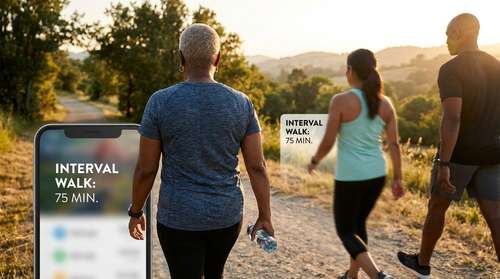
A full session consists of just five sets of these intervals, totaling 30 minutes. Unlike the passive "hot girl walks" of previous years, this is a functional cardio workout that demands engagement. The rapid switch in intensity acts as a pump, forcing your heart to adapt more efficiently than steady-state cardio ever could.
The Science: Why It Beats the '10,000 Steps' Myth
For years, we chased the 10,000-step goal, a figure that originated from a 1960s marketing campaign rather than a medical lab. Japanese walking challenges this quantity-over-quality approach. Dr. Nose’s research has shown that intensity, not just duration, is the key to unlocking interval walking benefits.
In clinical trials, participants who adopted this 3-minute interval method for five months saw their aerobic fitness increase by up to 20%—a gain comparable to gym-based running programs. perhaps more importantly for the 2026 focus on walking for longevity, the method was proven to significantly reduce resting blood pressure and improve glycemic control (HbA1c levels).
The Metabolism Connection
One of the primary drivers of its current popularity is its reputation as a metabolism boosting walk. The "fast" intervals recruit fast-twitch muscle fibers in the glutes and hamstrings that steady walking ignores. This muscle activation triggers a higher caloric afterburn and improves insulin sensitivity, making it a powerful tool for metabolic health without the cortisol spike often associated with CrossFit or heavy lifting.
Why 2026? The Shift to 'Anti-Aging' Fitness
Why is this specific method trending now? The massive 2,986% surge in interest aligns with a broader cultural pivot identified in recent fitness forecasting: the move from "exercise for aesthetics" to "training for life." In 2026, the fitness zeitgeist has firmly rejected the "no pain, no gain" mentality in favor of sustainable, low-impact fitness trends.
Social media has played a pivotal role. As one of the top viral TikTok fitness trends of the year, users are sharing their "3-fast, 3-slow" results, praising the mental clarity and lack of exhaustion. It appeals to a demographic squeezed for time but obsessed with health span. It requires no gym membership, no equipment, and can be done on a lunch break, making it the ultimate recession-proof wellness hack.
How to Start Your Japanese Walking Routine
Ready to join the revolution? You don't need a heart rate monitor to get started, though many smartwatches in 2026 now come with pre-set "Interval Walking" modes. Here is the best way to integrate this into your week:
Frequency: Aim for 4 sessions per week. Research shows this frequency is the "sweet spot" for maximum cardiovascular adaptation.
Form Check:
during the fast intervals, focus on taking longer strides rather than just moving your feet faster. Swing your arms naturally but vigorously to engage your upper body. Keep your chest open and eyes on the horizon.
The Talk Test:
If you can gossip easily with a friend during the fast interval, speed up. If you are gasping for air, slow down slightly. The goal is "somewhat hard," not "maximum effort."
As we move further into 2026, the definition of a "good workout" is changing. It is no longer about how much you sweat, but how well you age. Japanese walking offers a scientifically validated path to a stronger heart and a longer life, all in just 30 minutes a day.