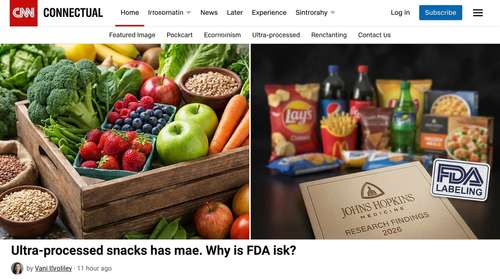
A landmark study published today, April 17, 2026, in the American Journal of Clinical Nutrition is adding undeniable weight to the mounting evidence against heavily manufactured diets. Researchers from Johns Hopkins University confirmed that the ultra-processed foods health risks remain consistent and severe across multiple dietary evaluation frameworks. The comprehensive analysis demonstrated an unwavering correlation between high consumption of these industrial food products and adverse metabolic outcomes. Arriving at a critical juncture for U.S. regulatory action, the Johns Hopkins nutrition study 2026 highlights the urgent need for a unified federal definition to help Americans navigate an increasingly complex grocery aisle.
The Undeniable Link Between Processed Food and BMI
For years, scientists have debated the precise mechanisms that make highly modified snacks and meals so detrimental to metabolic health. The latest Johns Hopkins research effectively silences the skepticism by comparing various international dietary frameworks. Whether using strict ingredient-based criteria or broader nutritional benchmarks, the connection between processed food and BMI remains strikingly clear.
The study analyzed extensive patient data, finding that individuals consuming the highest quartiles of manufactured foods experienced significant, sustained weight gain. Unlike whole natural ingredients, these products are specifically engineered by the food industry for hyper-palatability. They undergo multiple industrial manufacturing steps that strip away natural fibers, effectively creating pre-digested calories that bypass the body's normal fullness signals. With roughly 70% of the U.S. packaged food supply falling into this category, consumers are fighting an uphill battle against products explicitly designed to encourage rapid overconsumption.
Unpacking the Diet and Systemic Inflammation Connection
Weight gain is only one piece of the puzzle. The most alarming findings from the newly released research center on the relationship between diet and systemic inflammation. The study illustrates how routine consumption of synthetic emulsifiers, artificial colors, and hydrogenated oils triggers an acute immune response. Blood tests from participants with high intake of these items showed consistently elevated levels of inflammatory biomarkers, specifically C-reactive protein (CRP) and interleukin-6 (IL-6).
Over time, this chronic, low-grade inflammation acts as a biological precursor to severe metabolic conditions, including cardiovascular disease, anxiety, and type 2 diabetes. The researchers proved that the danger lies not just in the high sodium or excessive added sugars typically found in junk food, but in the physical alteration of the food matrix itself.
Why the NOVA Food Classification Matters
To measure processing accurately, the global scientific community has heavily relied on the NOVA food classification system. Developed by Brazilian researchers, this framework categorizes food into four distinct groups based on the extent and purpose of industrial processing, rather than merely evaluating fat or carbohydrate ratios. Under NOVA, ultra-processed products are identified by the presence of industrial ingredients rarely found in a standard home kitchen—such as high fructose corn syrup and artificial stabilizers. The Johns Hopkins team verified that the NOVA framework remains one of the most accurate predictors of diet-induced health deterioration, validating its potential use for future public health guidelines.
Navigating the Push for FDA Food Labeling Standards
The timing of this publication is no coincidence. It arrives right as federal agencies are actively attempting to overhaul the nation's dietary landscape. The Department of Health and Human Services, alongside the USDA, recently closed a joint Request for Information to establish an official, uniform definition for these heavily manufactured products. Health officials have publicly targeted this month—April 2026—for the initial release of this historic regulatory framework.
The newly established FDA food labeling standards are expected to radically shift how brands formulate and market their products. Proposals currently under serious consideration include "red light, yellow light, green light" front-of-package warning graphics. By forcing manufacturers to clearly disclose when an item undergoes extensive industrial modification, regulators hope to drastically curb the preventable diet-related chronic diseases sweeping the nation.
Shaping a Healthy Eating Policy for the Future
Creating an effective healthy eating policy requires more than just advising the public to consume more vegetables; it requires systemic corporate transparency. Without a legal, standardized definition, the food industry has historically been able to market highly modified items—like heavily fortified breakfast cereals, low-fat flavored yogurts, and instant oatmeals—as health foods. The clinical findings released today provide regulators with the empirical data necessary to combat inevitable industry pushback.
As federal authorities finalize their definitions, shoppers can anticipate a massive shift in supermarket transparency. Forthcoming warning labels and clearer ingredient disclosures will soon empower families to make highly informed decisions about the chemical additives they consume. Until those visual regulations officially hit the shelves, medical professionals recommend prioritizing minimally processed whole foods and reading packaged ingredient lists with a highly critical eye.