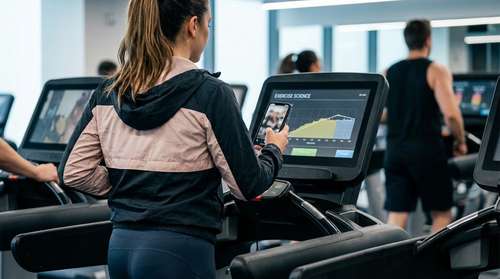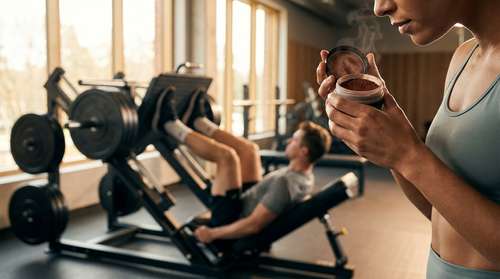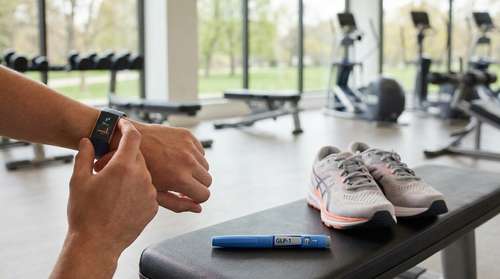
Early Tuesday morning, the commercial fitness sector formalized a massive structural shift that has been quietly brewing in locker rooms all year. With millions of adults now actively utilizing semaglutide and tirzepatide medications as of April 2026, the traditional cardio-heavy fitness model is rapidly becoming obsolete. In its place, specialized GLP-1 fitness programs are taking center stage, designed explicitly to combat the unique physiological challenges brought on by pharmaceutical weight management.
Major premium health club operators have spent the last 48 hours rolling out sweeping overhauls to their personal training divisions. The goal is no longer just burning calories; it is protecting skeletal infrastructure. As weight-loss injectables suppress appetite and strip away pounds at unprecedented rates, the fitness industry is adapting to serve a fundamentally different biological state.
The Urgent Push for Ozempic Muscle Loss Prevention
Clinical data reviewed by kinesiologists earlier this week highlights a troubling side effect of rapid medical weight reduction. When patients simply consume fewer calories without sending mechanical signals to their bodies to retain tissue, up to 40% of the total weight dropped can consist of lean muscle mass and bone density. This sharp decline in lean tissue drastically reduces the body's basal metabolic rate.
This biological reality has pushed Ozempic muscle loss prevention from a niche medical concern to a mainstream commercial fitness mandate. Rapidly losing muscle mass increases the risk of sarcopenia, joint instability, and metabolic rebound if the medication is ever paused. To ensure long-term health, modern fitness facilities are pivoting entirely toward muscle-safe weight loss. Treadmills and elliptical machines are being de-emphasized in favor of heavy resistance protocols designed to trigger muscle protein synthesis even in a severe caloric deficit.
Inside the Life Time GLP-1 Program Expansion
Leading the industry shift this week is the nationwide expansion of the Life Time GLP-1 program. Moving far beyond the scope of a standard gym membership, this initiative integrates clinical oversight directly onto the fitness floor. The newly expanded protocol, which officially rolled out to dozens of additional locations over the weekend, requires members to undergo baseline DEXA scans. These medical-grade body composition analyses track precise changes in lean mass versus fat mass, providing data far more valuable than a standard scale weight.
Personal trainers participating in these specific programs are required to complete specialized education in endocrinology-aware fitness. Clients receive targeted nutritional coaching alongside their physical routines, ensuring daily protein intake thresholds are met to facilitate tissue repair. Competing luxury operators have launched parallel initiatives this week, packaging heavy resistance training with on-site biometric tracking to capture the high-end medical weight-loss market.
Redefining Strength Training for Weight Loss
For decades, commercial gym layouts were sharply divided between those looking to build muscle bulk and those sweating through steady-state cardio to drop pounds. The widespread adoption of metabolic medications has effectively merged these zones. Strength training for weight loss is now the primary prescription for anyone undergoing pharmaceutical obesity treatment.
The workout structures introduced across major gym chains this week emphasize three core principles:
- High-Intensity Resistance: Moving heavier loads for lower repetitions to trigger maximum muscle preservation signals in the brain and tissue.
- Reduced Steady-State Cardio: Scaling back exhausting, high-volume cardiovascular sessions that can exacerbate muscle catabolism when a patient is already in a severe, drug-induced calorie deficit.
- Progressive Overload Tracking: Utilizing advanced fitness software to ensure users are continually challenging their muscular capacity, preventing the body from adapting and shedding energy-expensive muscle tissue.
The Rise of Metabolic Health Workouts
The practical application of these principles comes in the form of metabolic health workouts. Rather than leaving members to guess which machines to use, these structured sessions focus heavily on compound, multi-joint movements. Squats, deadlifts, chest presses, and weighted rows form the foundation of the routine. These specific biomechanical movements recruit the largest muscle groups, sending the strongest possible preservation signals to the central nervous system.
Furthermore, these structured workouts are tightly coupled with updated nutritional guidelines. Because GLP-1 agonists dramatically slow gastric emptying, users naturally feel fuller faster and consume significantly fewer overall calories. Without intentional intervention, protein intake plummets. Fitness professionals are now tasked with ensuring their clients consume at least 0.8 to 1.2 grams of protein per pound of target body weight daily. This nutritional synergy is non-negotiable; even the most intense strength training regimen cannot preserve muscle tissue if the building blocks for cellular repair are absent from the diet.
Shaping Fitness Industry Trends 2026 and Beyond
The strategic moves executed by the world's largest gyms over the past two days solidify a massive evolution in public health strategy. We are witnessing the end of the aesthetics-only fitness era and the rapid acceleration of the medical fitness facility. Among the most critical fitness industry trends 2026 is this total fusion of pharmaceutical intervention and biomechanical support.
Gyms are no longer positioned simply as places to burn off excess weekend calories. They have positioned themselves as essential healthcare partners, tasked with managing the biomechanical fallout of modern medicine. As millions more individuals achieve their target weight through injectable medications, the commercial fitness industry has successfully redefined its value proposition: the drugs will take the weight off, but the gym is required to keep the body strong.